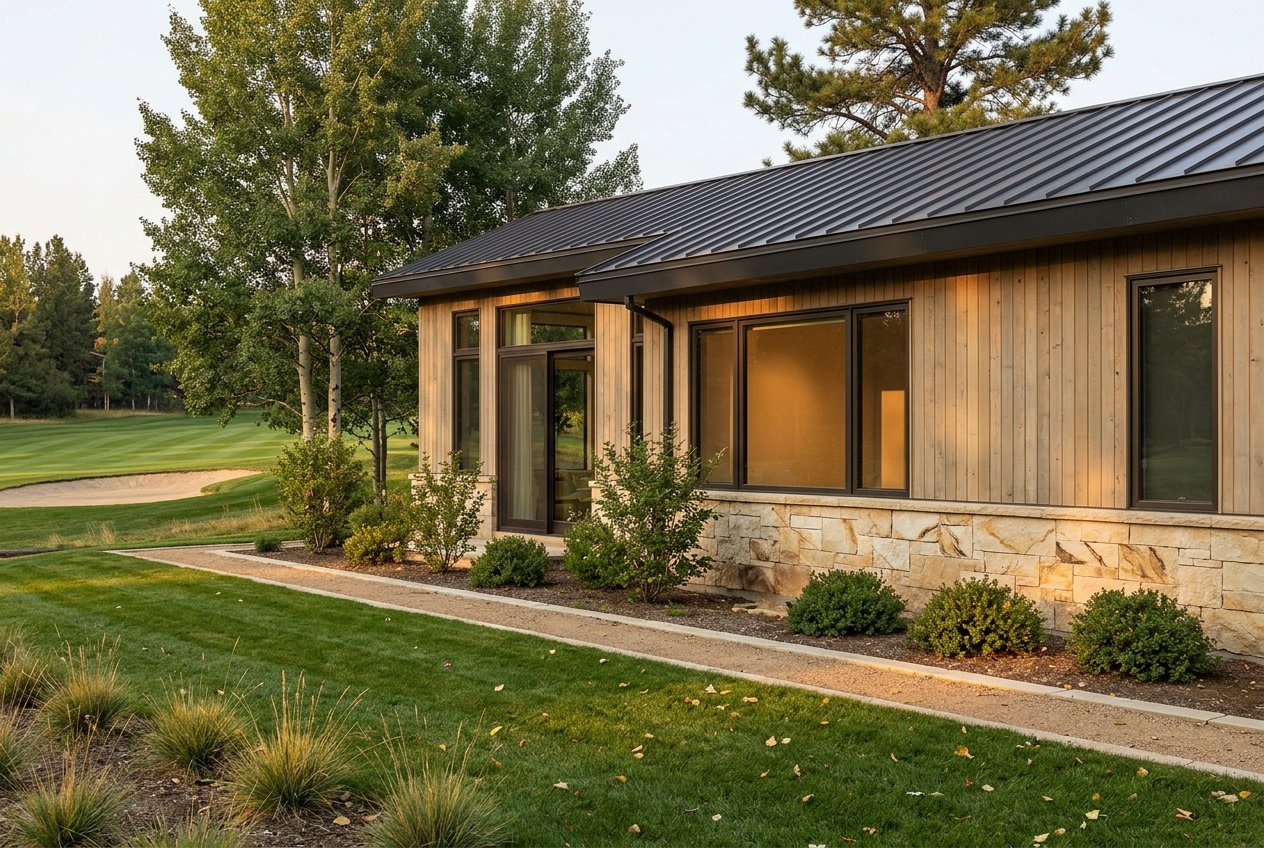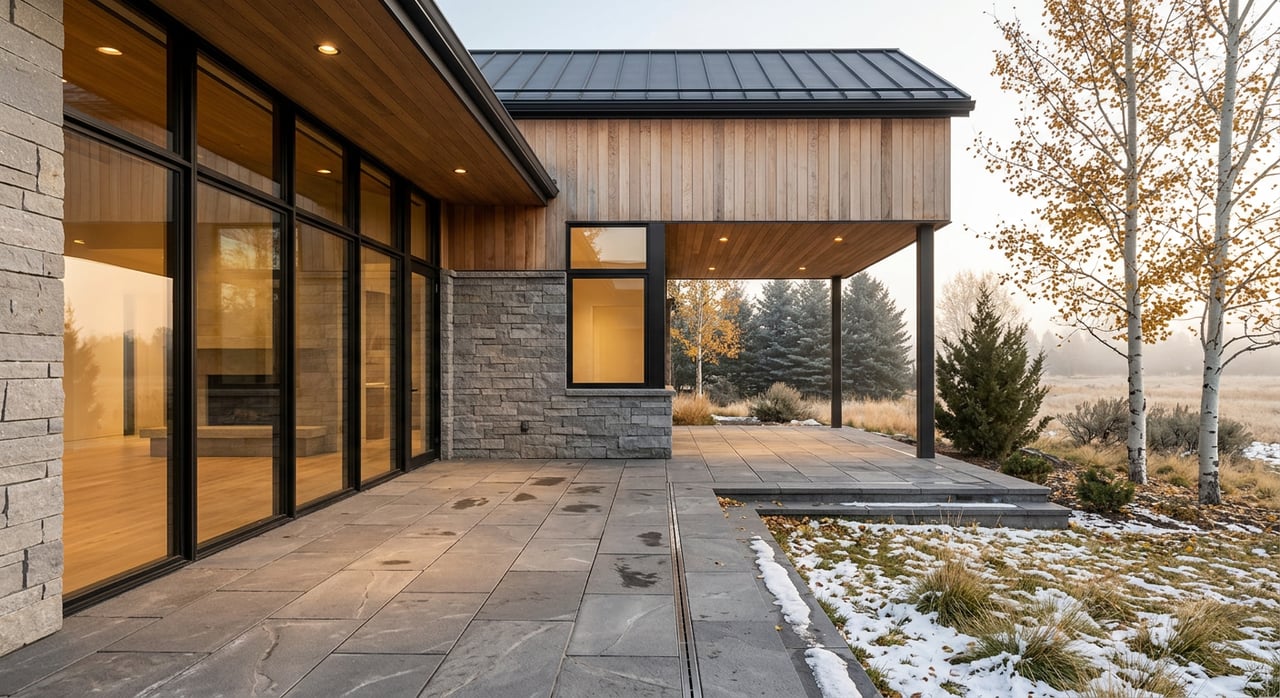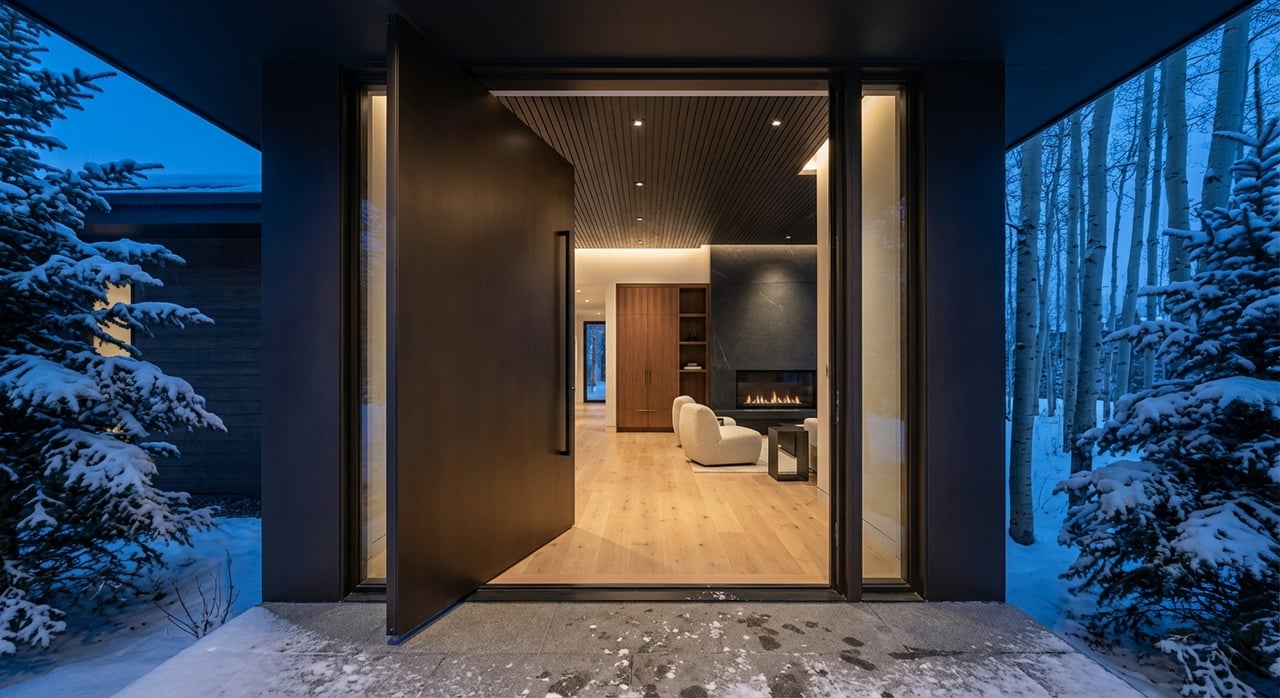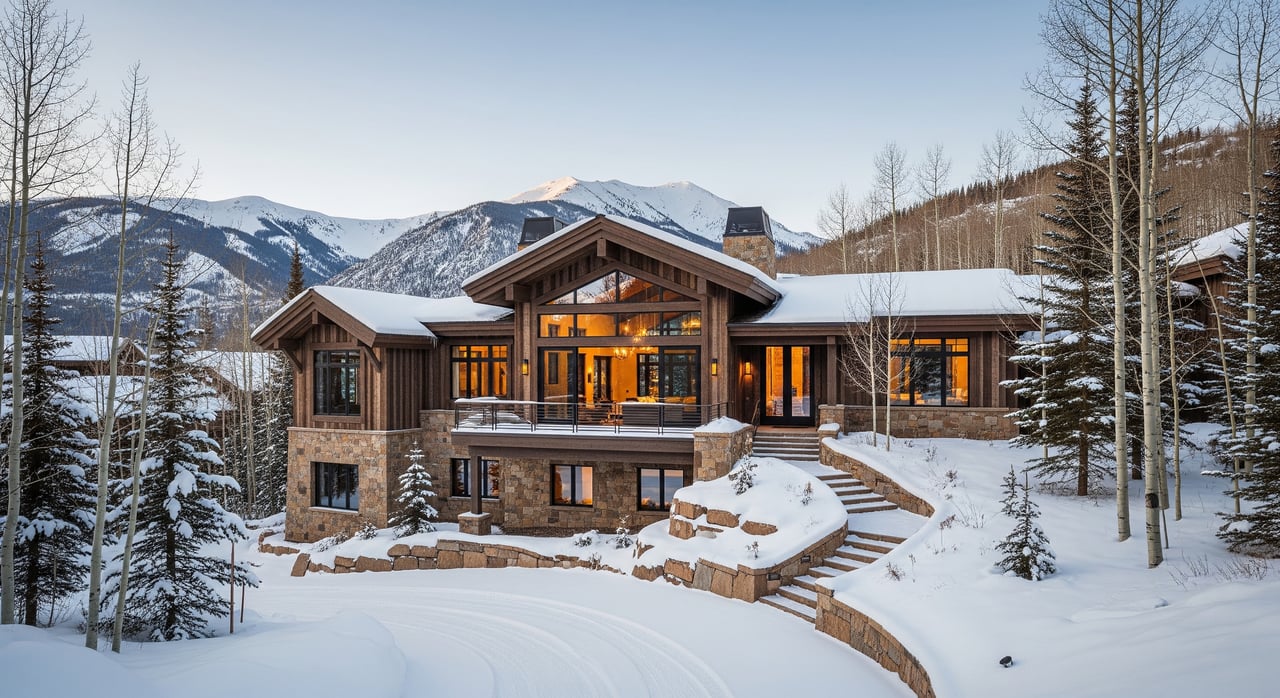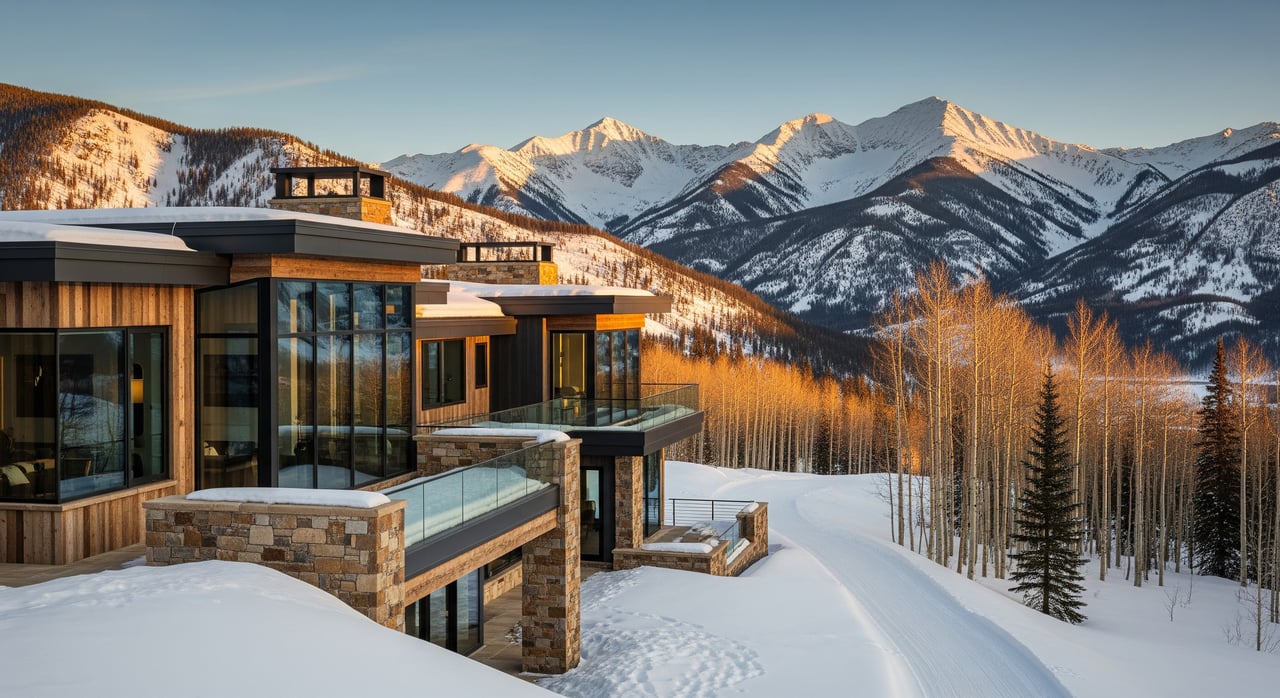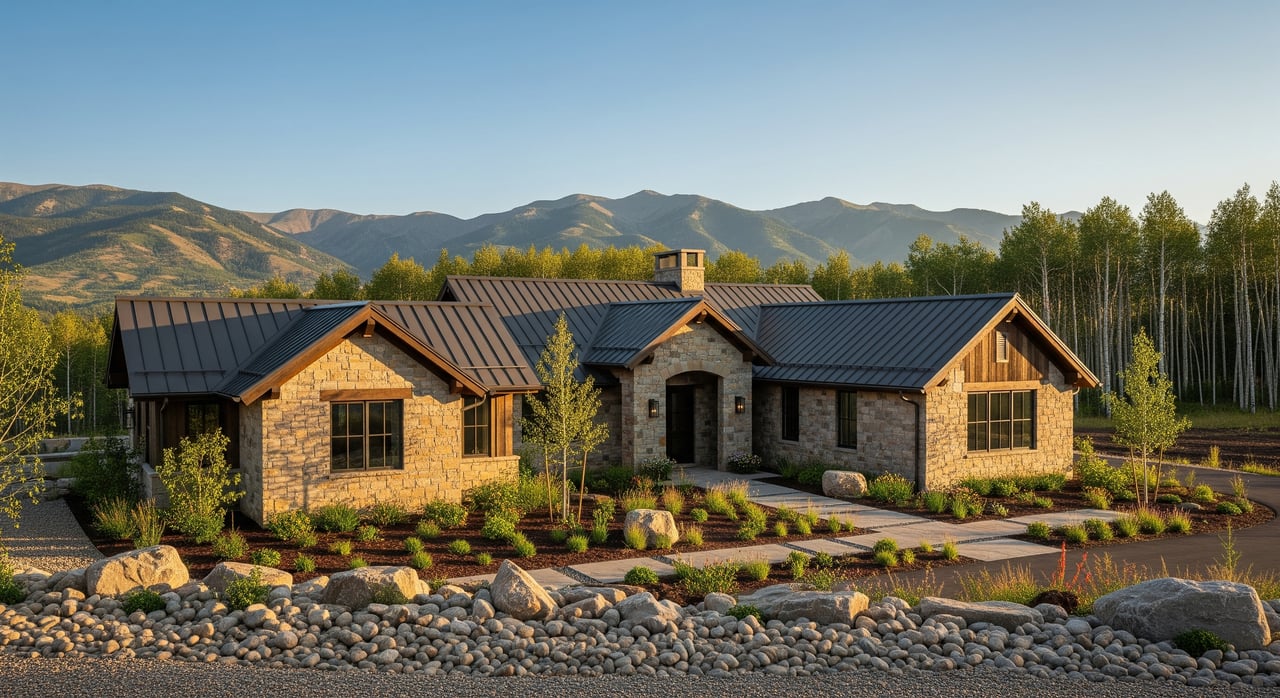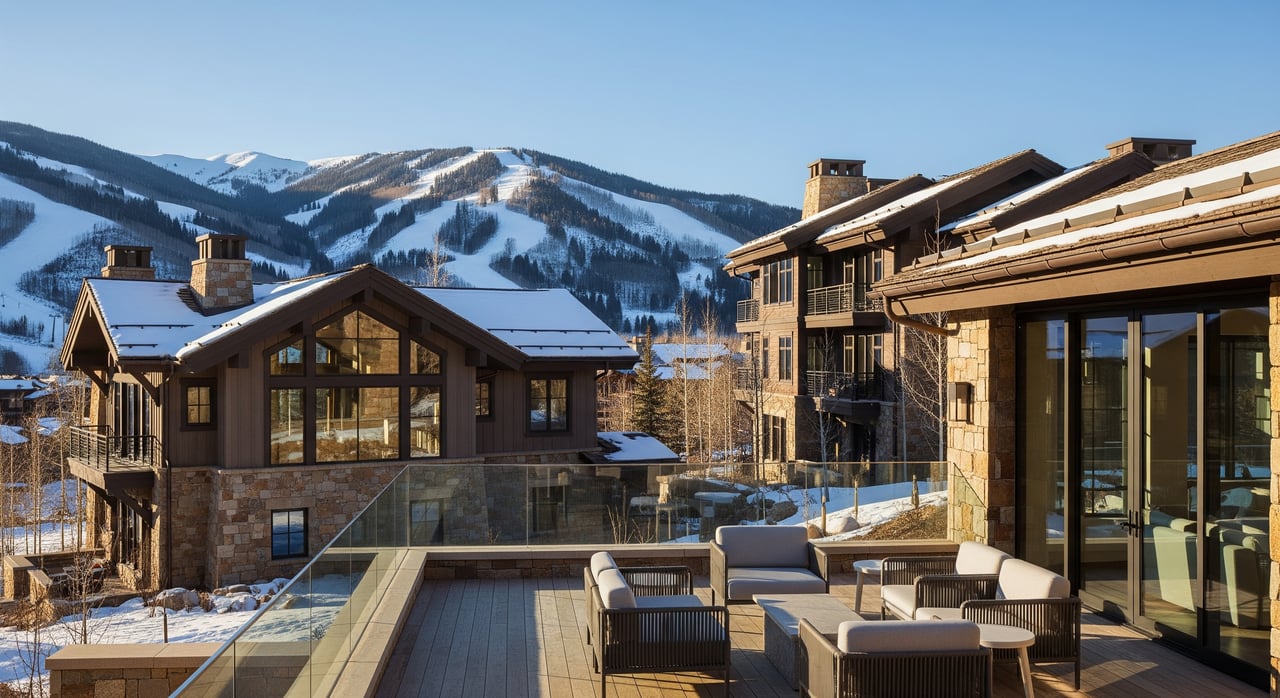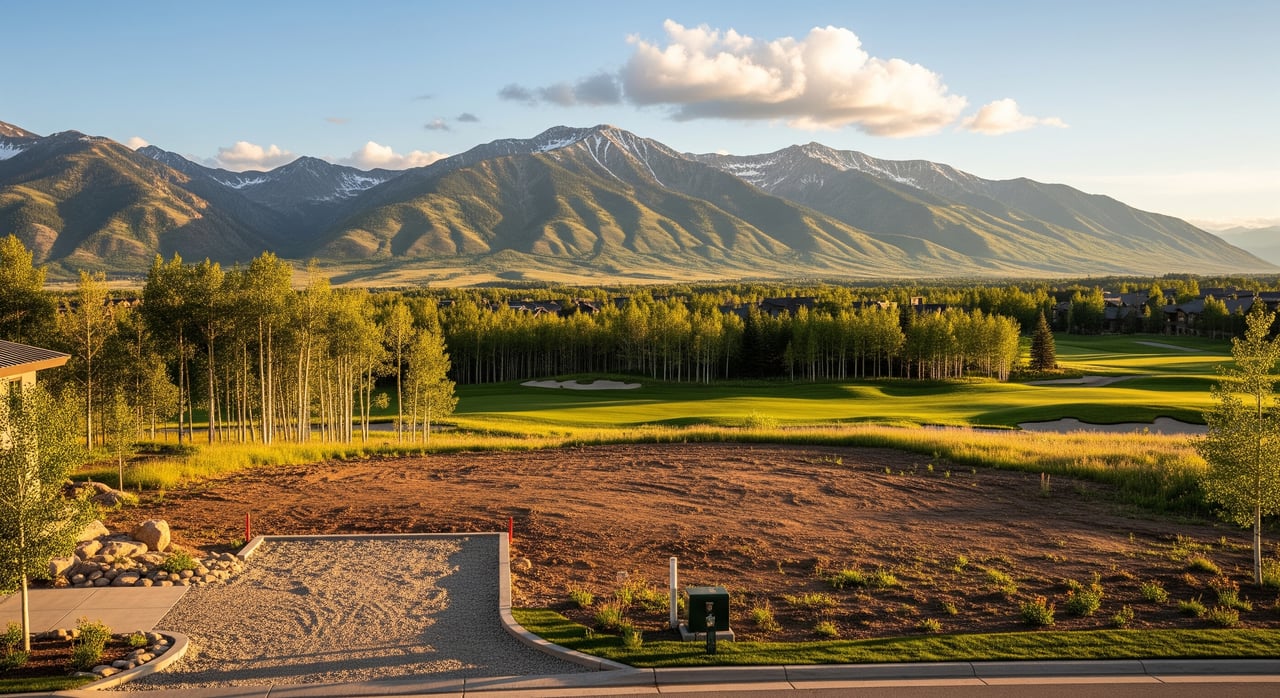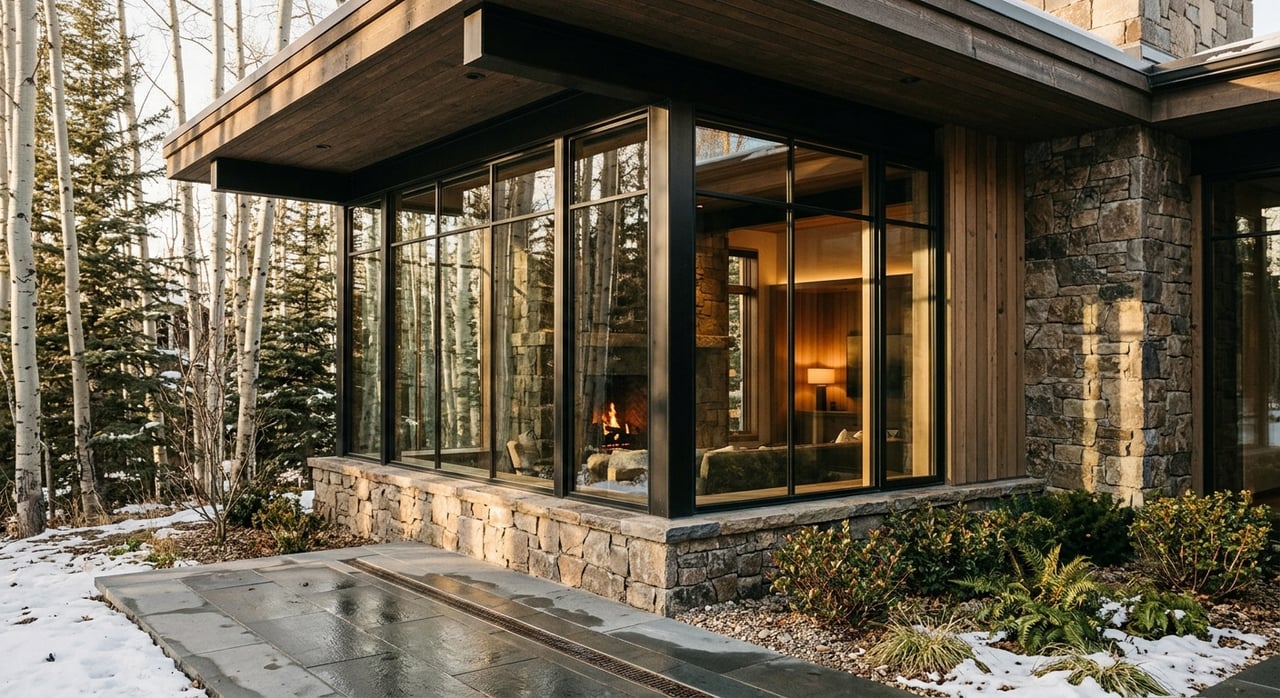
Wondering why one homesite in The Colony feels bright and open while another feels tucked away and deeply private, even when they seem close on the map? In a community this large, forested, and topographically varied, views, privacy, and natural light are shaped less by broad neighborhood labels and more by the specific parcel in front of you. If you are comparing lots or evaluating an existing home, understanding these factors can help you make a more confident decision. Let’s dive in.
Why parcel details matter here
The Colony at White Pine Canyon is not a typical mountain neighborhood. It is a ski-in, ski-out residential community with up to 299 homesites across 4,600 acres, and the HOA’s role includes both operations management and forest oversight.
That scale matters because two properties in the same community can offer very different daily experiences. The most useful analysis is usually parcel-specific, especially when you are weighing sun exposure, screening, and how a home relates to ski terrain and neighboring homes.
Park City Mountain also adds to the complexity. The resort spans 7,300 acres, with 41 lifts, more than 330 trails, a summit elevation of 10,026 feet, and a base elevation of 6,800 feet, so ski access and mountain orientation should be checked carefully against the public trail and village maps.
How views are created
Elevation and slope
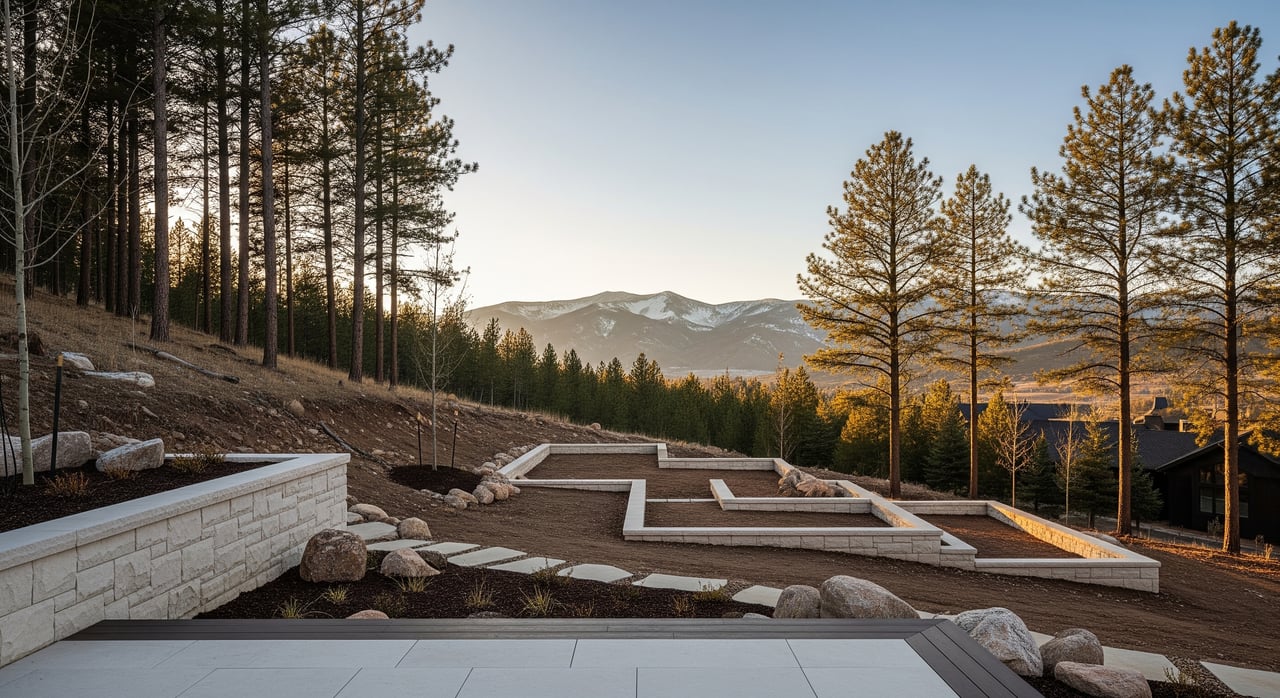
In The Colony, views often begin with terrain. Higher or more exposed homesites generally have the potential for broader basin or mountain outlooks, while lower or more sheltered lots often feel more wooded and enclosed.
That said, this is not a one-size-fits-all rule. The community’s design guidelines emphasize working with the natural terrain, so the exact building envelope and how the home is sited can make a major difference in what you actually see from the great room, primary suite, or outdoor living areas.
Building envelope matters
A view from the driveway is not the same as a view from the main living spaces. The Colony’s guidelines note that homes should be placed within conceptually identified envelopes to take maximum advantage of sun and views while respecting the land.
When you tour a parcel, it is worth asking where the view exists within the buildable area. A lot may appear to have strong outlooks at first glance, but the practical view corridor can narrow once you account for the approved siting area.
Future sight lines can change
Listing language like “view lot,” “view corridor,” or “front-row” can sound definitive, but those phrases still need context. In The Colony, it is smart to test those claims against the slope of the parcel, the buildable envelope, and whether a future neighboring home could affect the line of sight.
The design rules are intended to balance views with shielding and minimal visual impact. That means a lot’s current openness may not tell the full story without a closer, parcel-level review.
What privacy really means in The Colony
Tree cover is a major privacy asset
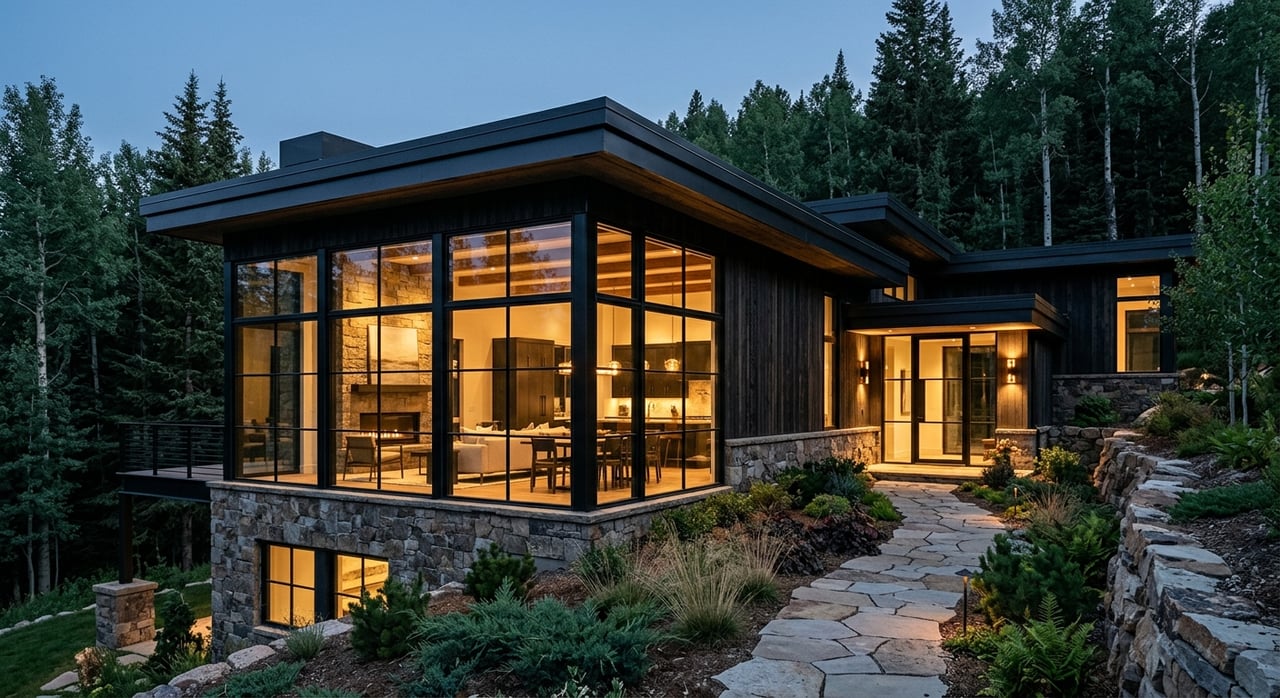
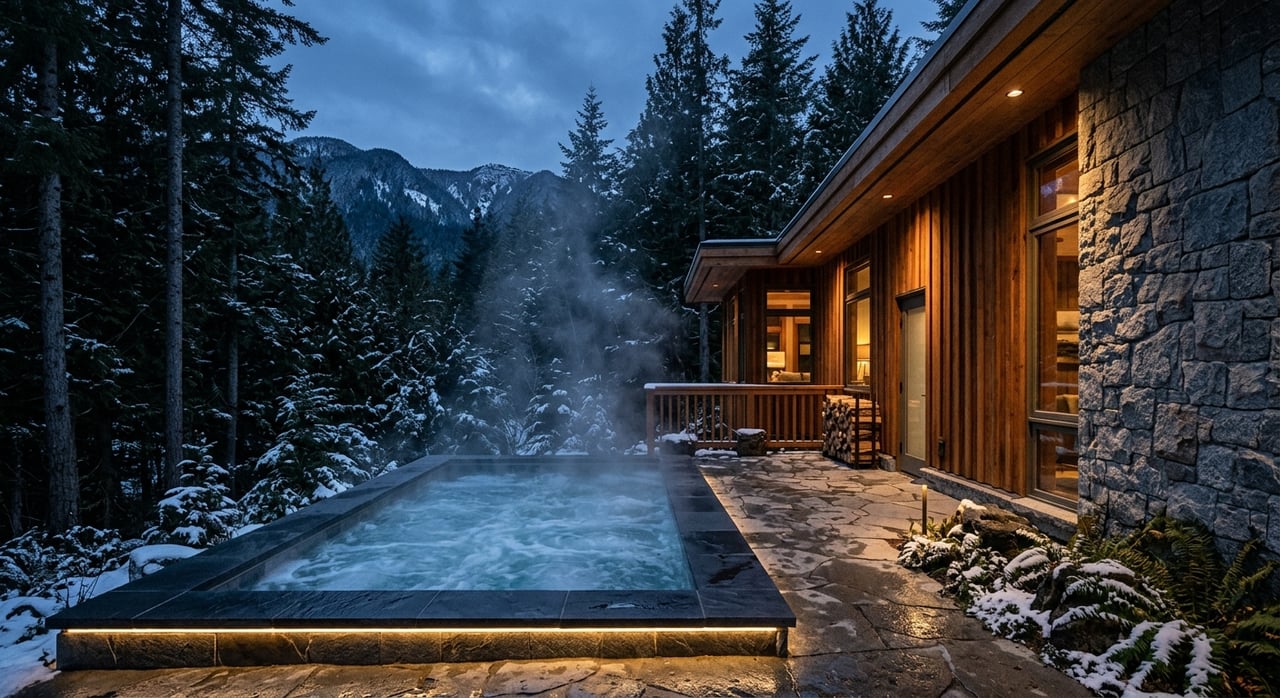
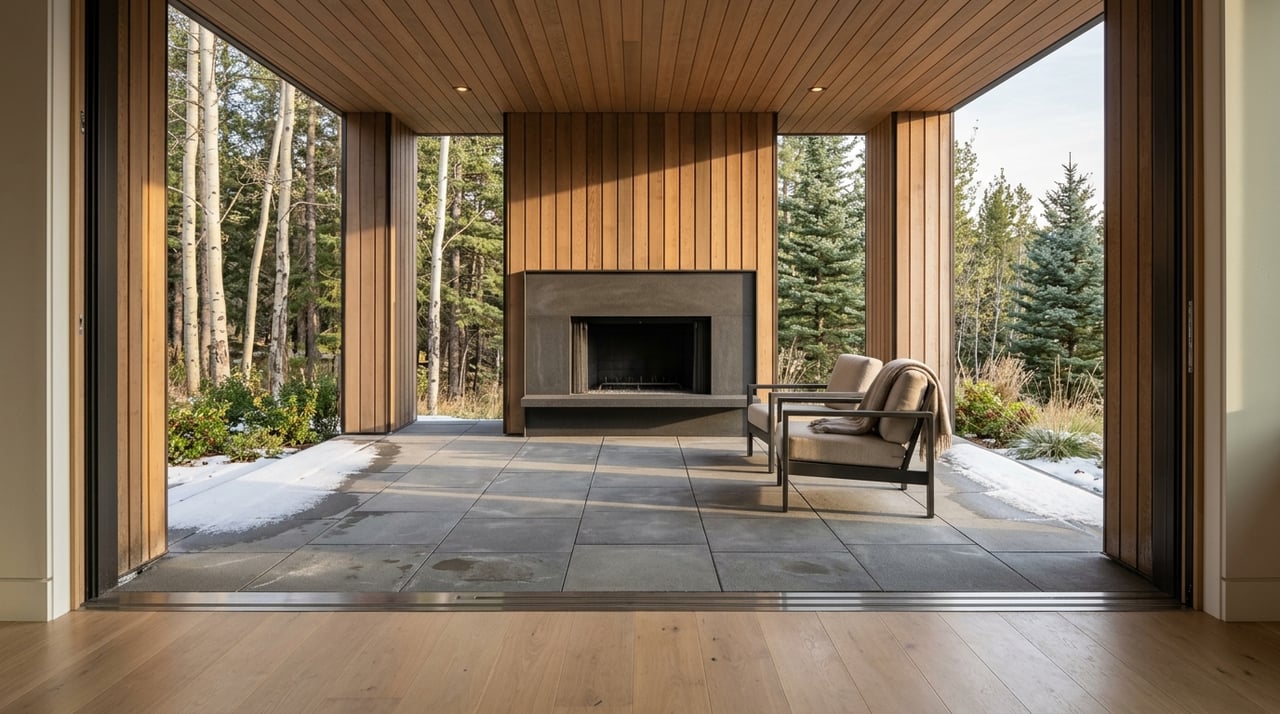
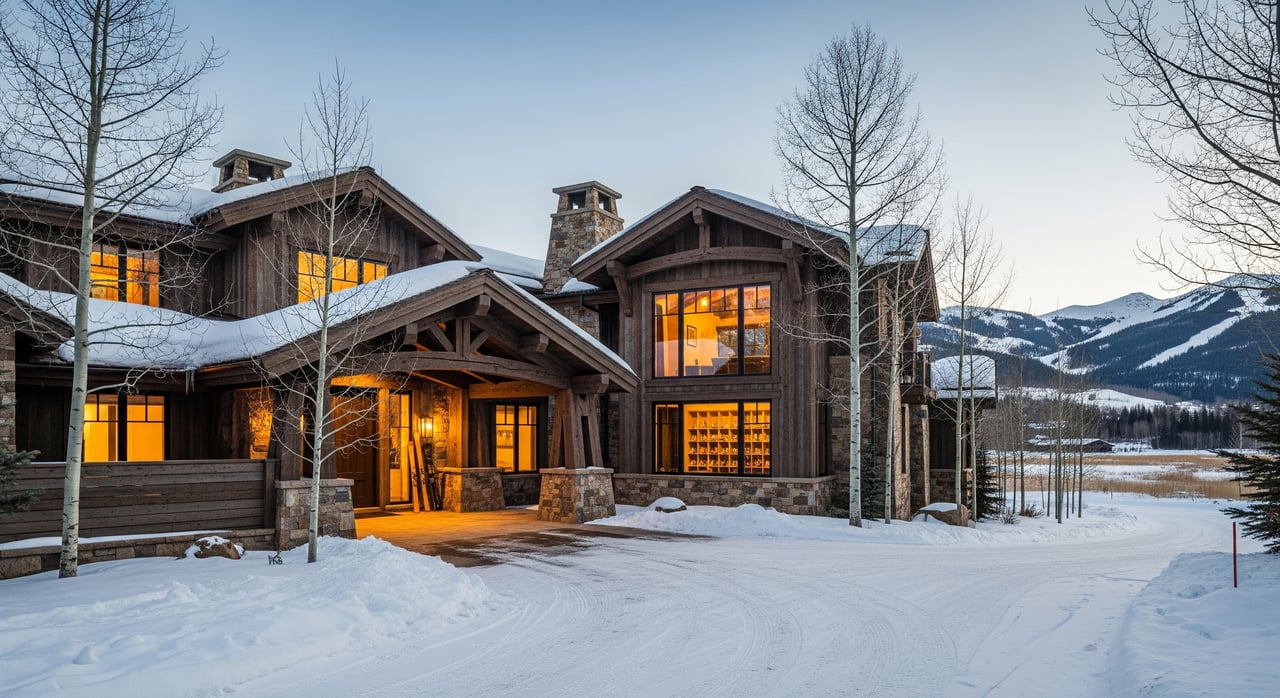
One of the defining features of The Colony is its forested setting. The community was master planned to preserve open-space corridors and keep density low, and the design guidelines call for homes to be reasonably shielded from one another.
For many buyers, that tree cover creates the feeling they want most. It can soften nearby homes, screen driveways, and make outdoor spaces feel more secluded without relying on walls or heavy site alteration.
Privacy is not completely fixed
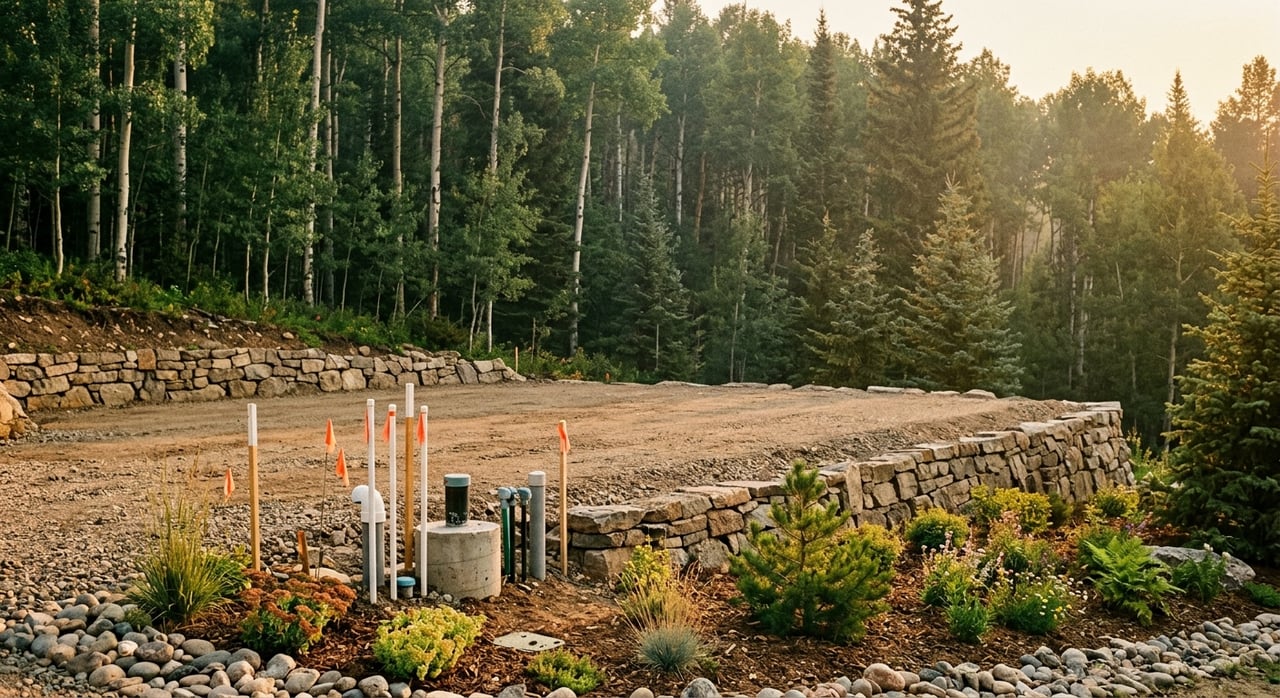
Tree screening is valuable, but it is not permanent in every form. The HOA runs a fire-mitigation program that requires recurring inspections and removal of dead trees and hazardous fuels, so vegetation patterns can change over time.
That means a wooded site may not look exactly the same a few years from now. If privacy is high on your list, it is worth understanding which trees are likely to remain and which areas may be affected by ongoing forestry or safety work.
Distance from runs and roads counts
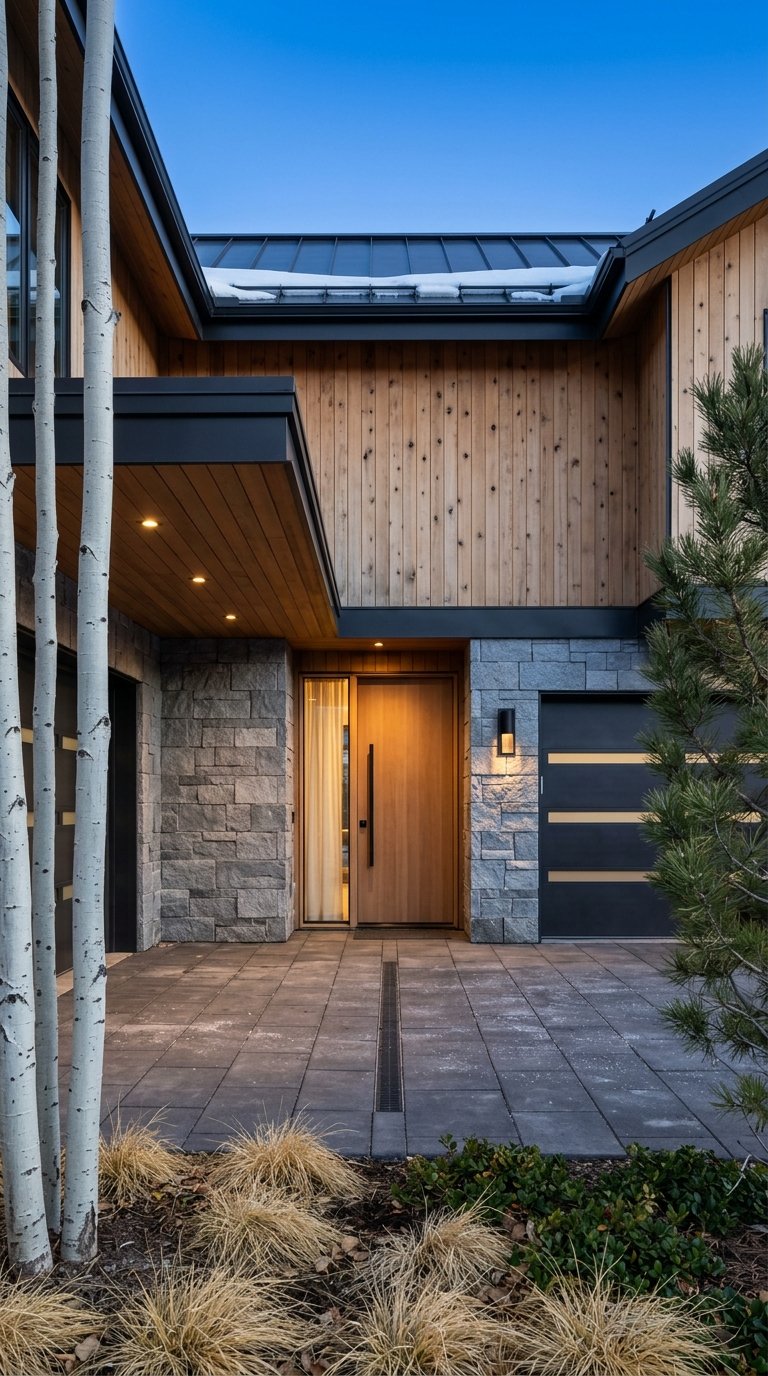
Privacy in The Colony is also about visibility and exposure, not just lot size. The design guidelines specifically call for driveways and parking to be screened from White Pine Canyon Road, ski runs, and surrounding residences.
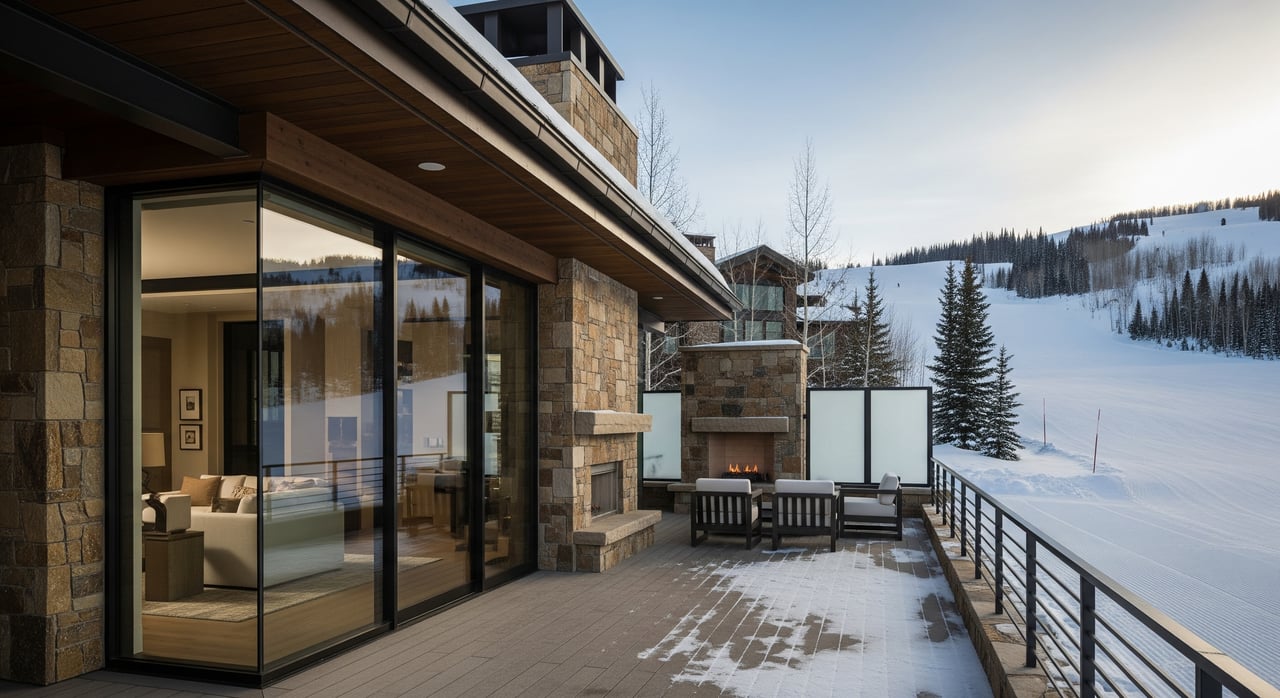
A homesite closer to ski terrain may offer convenient access, but it can also come with more skier traffic and greater line-of-sight exposure. A deeper or more set-back parcel may feel more private, though it may require a longer route to reach the snow.
How natural light changes the experience
Orientation shapes winter brightness
In a mountain setting, daylight is not just about having large windows. Orientation has a major impact on how a home feels through the seasons.
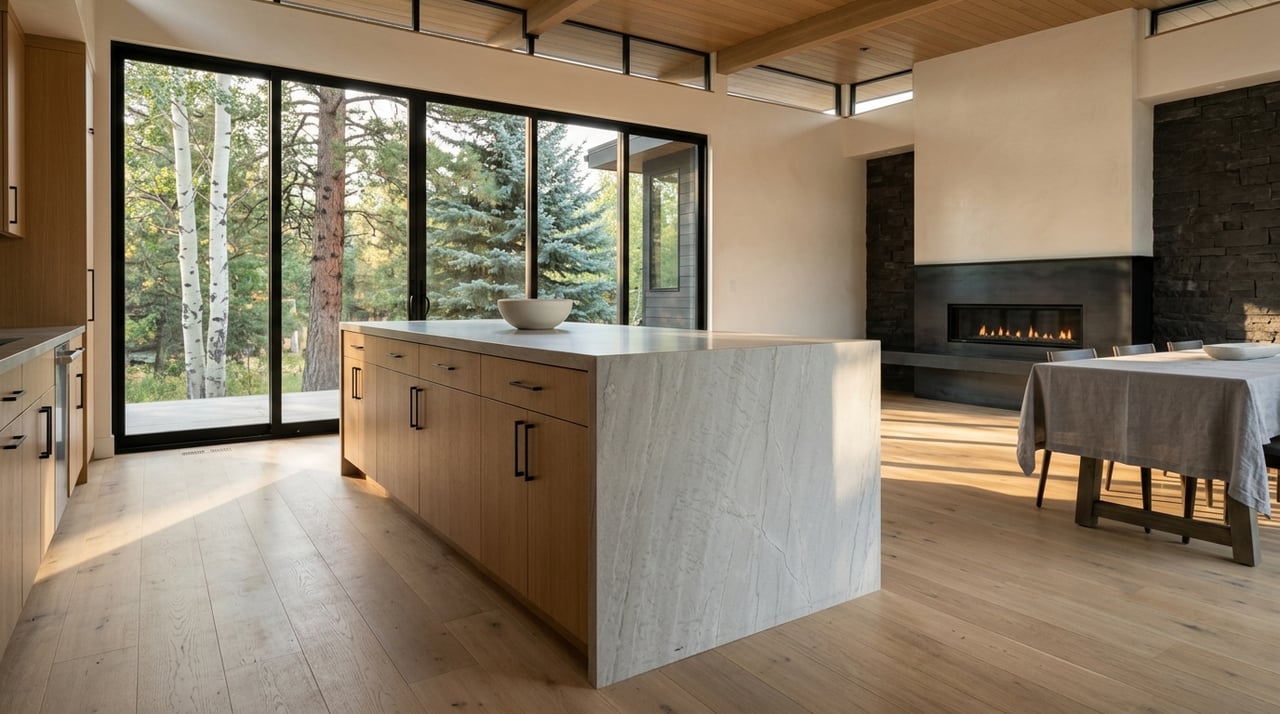
According to U.S. Department of Energy daylighting guidance, south-facing windows capture the most winter sunlight. North-facing windows tend to provide more even light with less glare, while east- and west-facing windows are more likely to bring glare and summer heat gain.
Trees can help and hinder
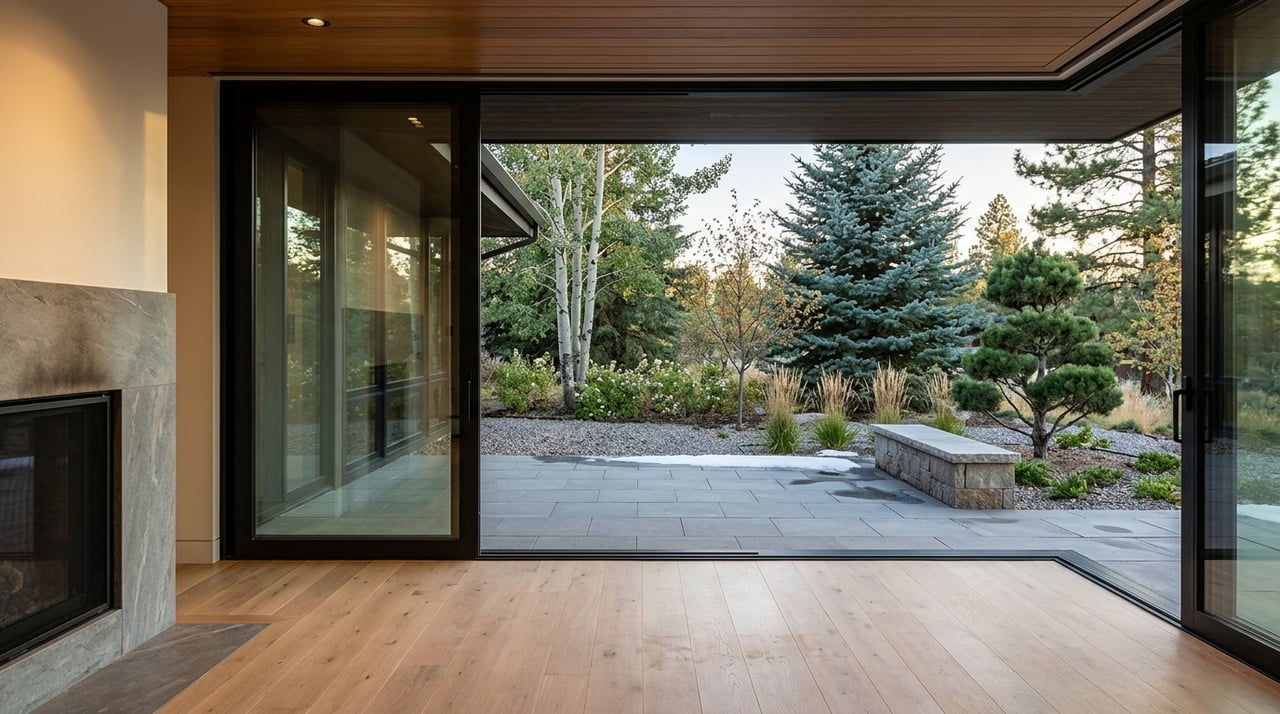
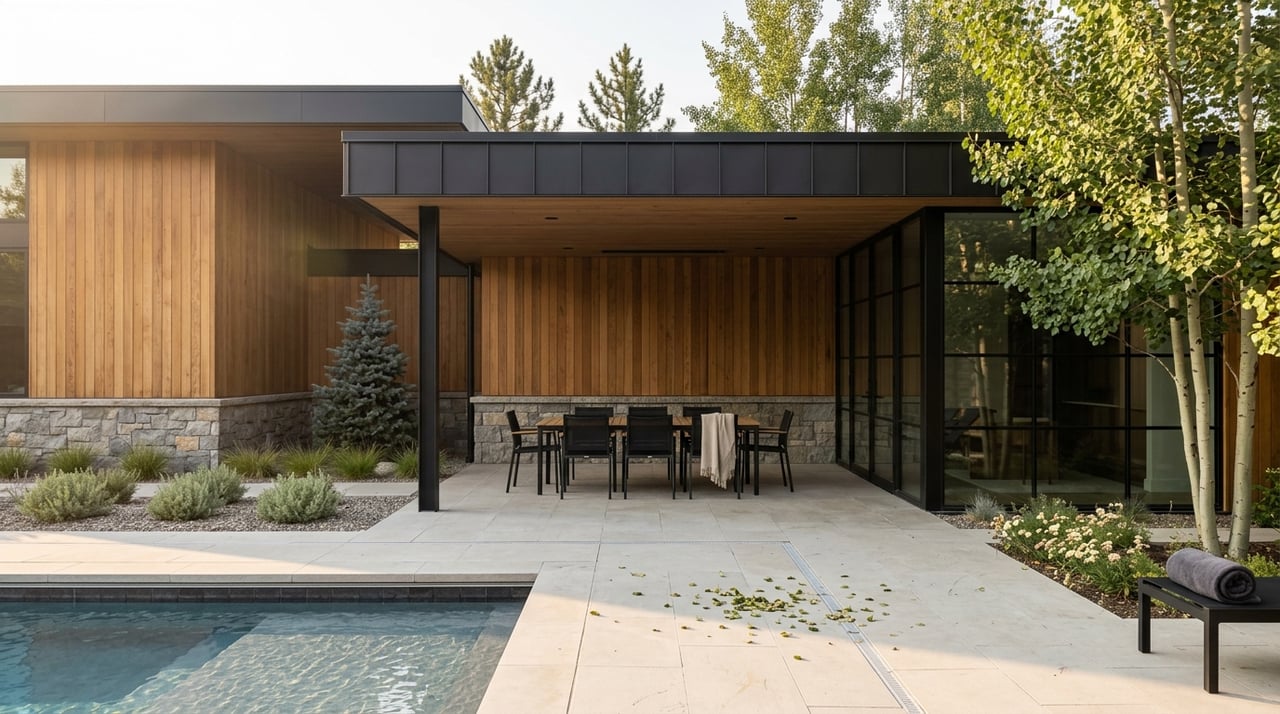
In The Colony, the same trees that create privacy can also limit light. DOE guidance notes that windows should not be shaded during the heating season by trees or nearby structures, which is especially relevant in a forested, high-elevation community.
As a result, a south-leaning parcel with more open exposure will often feel brighter in winter. A heavily treed or north-facing site may feel calmer and more filtered, but also dimmer during shorter winter days.
Room placement matters too
When you are evaluating a home or planning a build, it helps to look beyond the exterior orientation alone. The actual position of the main glazing, great room, primary suite, and outdoor living areas will shape the quality of light you experience every day.
A home can be on a promising lot and still feel darker than expected if the key living spaces do not capture the best exposure. In a place like The Colony, that design relationship is one of the most important details to study.
Light is also a privacy issue
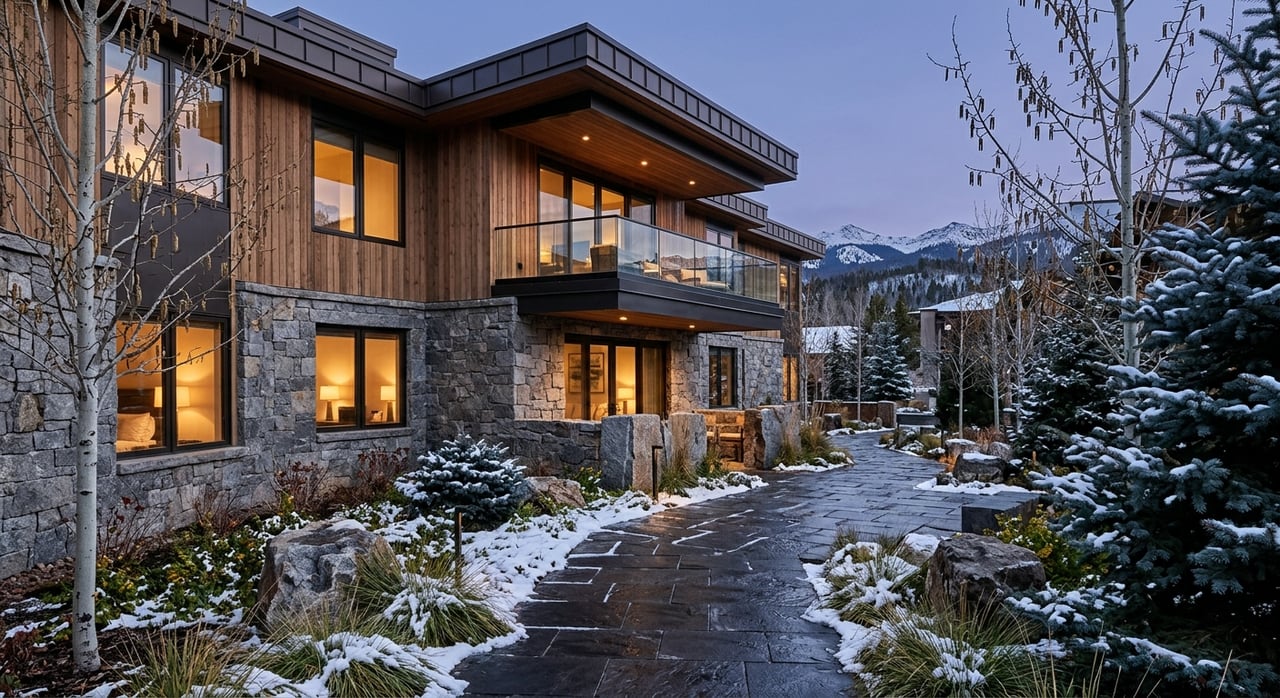
The Colony’s guidelines treat light as more than an aesthetic choice. They note that unshielded light and light pollution can undermine the rural, forested character of the community, and they aim to preserve privacy, separation, and an undiminished night sky.
For you as a buyer, that means exterior fixtures, deck lighting, visible interior lighting, and window placement all deserve attention. The goal is not simply a beautiful home by day, but one that feels composed and considerate after dark as well.
The guidelines also call for the minimum amount of lighting needed for safety and code requirements. In practical terms, a well-designed property here should feel intentional at night, not overly bright or exposed.
How to read listing language more carefully
Mountain real estate descriptions often sound compelling, but in The Colony they should be tested against maps, orientation, and site conditions.
Common phrases to verify
- Private wooded setting usually points to more screening and tree cover, but it may also mean less direct winter light and possible future canopy changes tied to fire mitigation.
- Sun-filled or south-facing may suggest stronger winter daylight, but it should be confirmed with the actual compass orientation and any shading from trees or nearby structures.
- View lot, view corridor, or front-row should be checked against the building envelope, the slope, and the potential for future homes to affect the line of sight.
- Ski access should be verified on the trail and village maps rather than assumed from listing photos or general marketing language.
Maps that help you evaluate a property
Several public references can help you sort marketing language from real site conditions. The HOA’s Community Master Plan Map, Park City Mountain’s trail and village maps, and Summit County GIS parcel and zoning maps are useful starting points.
Summit County GIS also notes that its web maps are unofficial and should be verified with the appropriate county departments. That makes them helpful reference tools, but not final proof of parcel details or development assumptions.
In a community like The Colony, the best approach is to combine mapping with an in-person review. A parcel can look one way online and feel very different once you stand on it and study the orientation, terrain, and tree cover firsthand.
A smart touring checklist
If you are seriously comparing homesites or homes in The Colony, these are some of the most useful questions to ask during a tour:
- Where is the building envelope, and how much of the best view is actually inside it?
- Which trees are likely to remain, and which could be affected by fire mitigation or dead-tree removal?
- What is the true orientation of the main living spaces and outdoor areas?
- How visible is the driveway from White Pine Canyon Road, nearby ski runs, and surrounding homes?
- What outdoor lighting is planned, and how much interior light is visible from outside at night?
- How might the site feel in winter, when snow cover and lower sun angles can change brightness and openness?
These questions help connect what you see on a map with what daily life may actually feel like. That is often where the best buying decisions are made.
In The Colony, views, privacy, and light are not simple selling points. They are the result of topography, tree cover, orientation, ski-run adjacency, and community design rules working together. If you want help evaluating a specific parcel or residence with a more design-minded, property-by-property lens, Tricia Cohen can help you compare the details that matter most.
FAQs
How do views differ between homesites in The Colony at White Pine Canyon?
- Views can vary widely based on elevation, slope, building envelope, and whether neighboring homes or tree cover affect the line of sight.
How does privacy work in The Colony at White Pine Canyon?
- Privacy often comes from low density, open-space planning, tree screening, and how far a homesite sits from roads, ski runs, and nearby residences.
How does natural light vary in The Colony at White Pine Canyon?
- Natural light is strongly influenced by orientation, tree cover, and where the main living spaces are placed, with south-facing exposure usually offering stronger winter sun.
Why should buyers verify ski access in The Colony at White Pine Canyon?
- Ski access should be confirmed parcel by parcel using the resort’s trail and village maps because proximity in marketing materials does not always reflect the actual route.
What maps are most useful for evaluating a property in The Colony at White Pine Canyon?
- The most helpful starting points are the HOA’s Community Master Plan Map, Park City Mountain’s trail and village maps, and Summit County GIS parcel and zoning maps.
Why can a wooded homesite in The Colony at White Pine Canyon change over time?
- The HOA’s fire-mitigation program includes recurring inspections and removal of dead trees and hazardous fuels, which can affect screening and light over time.