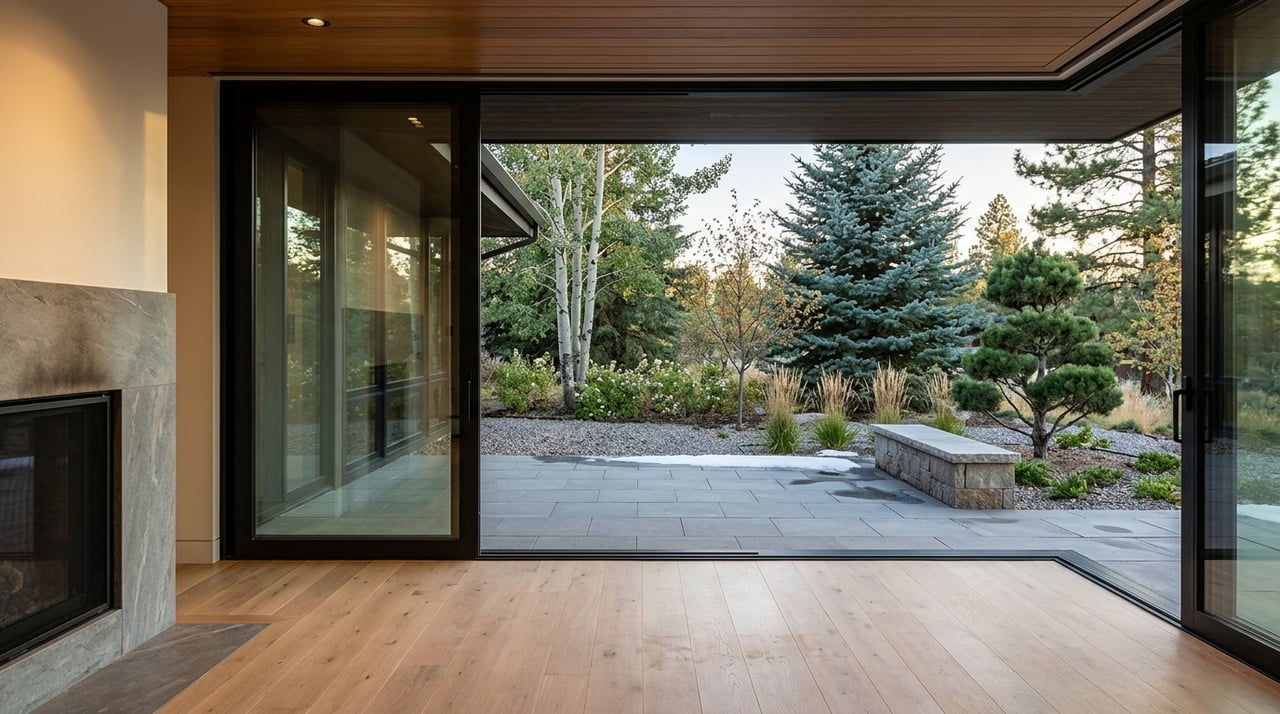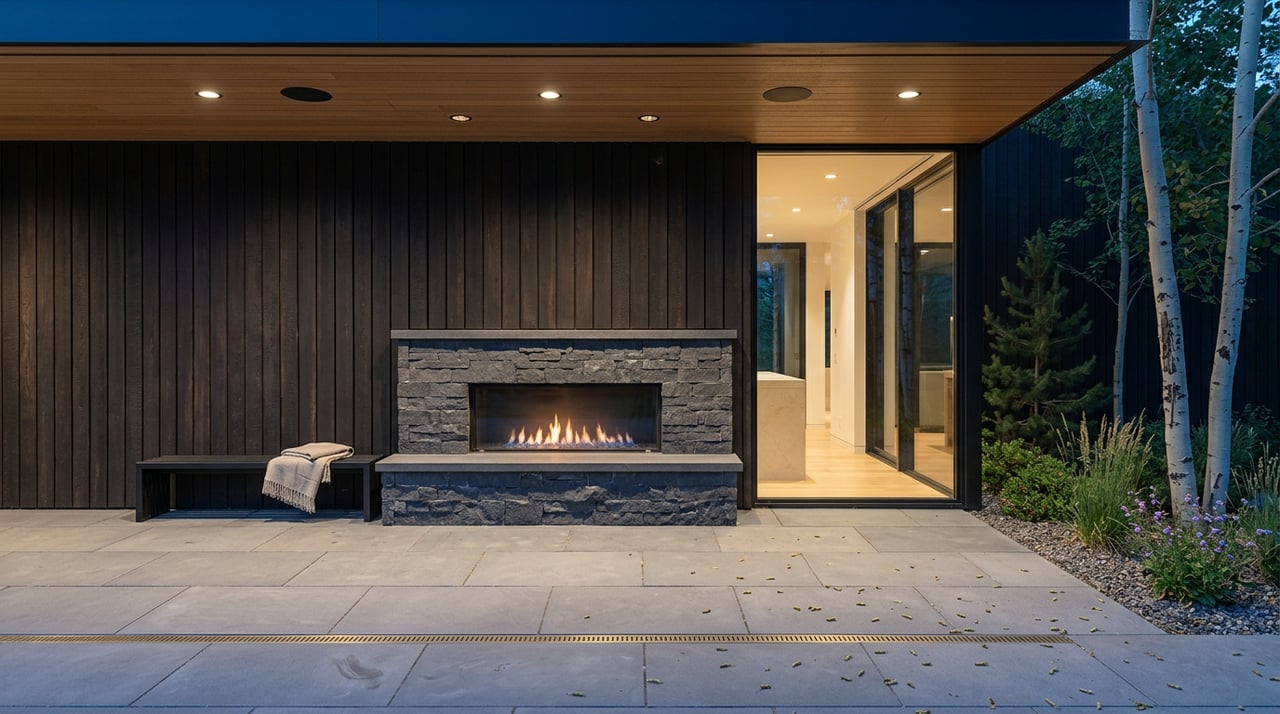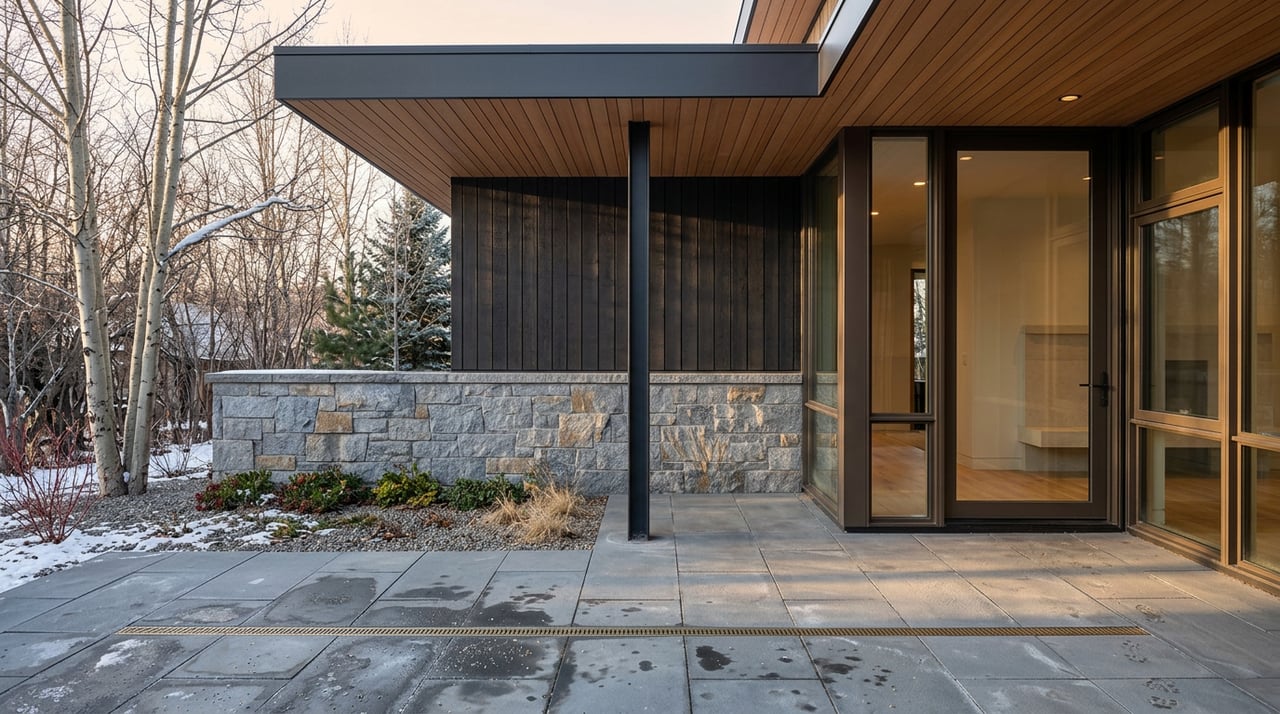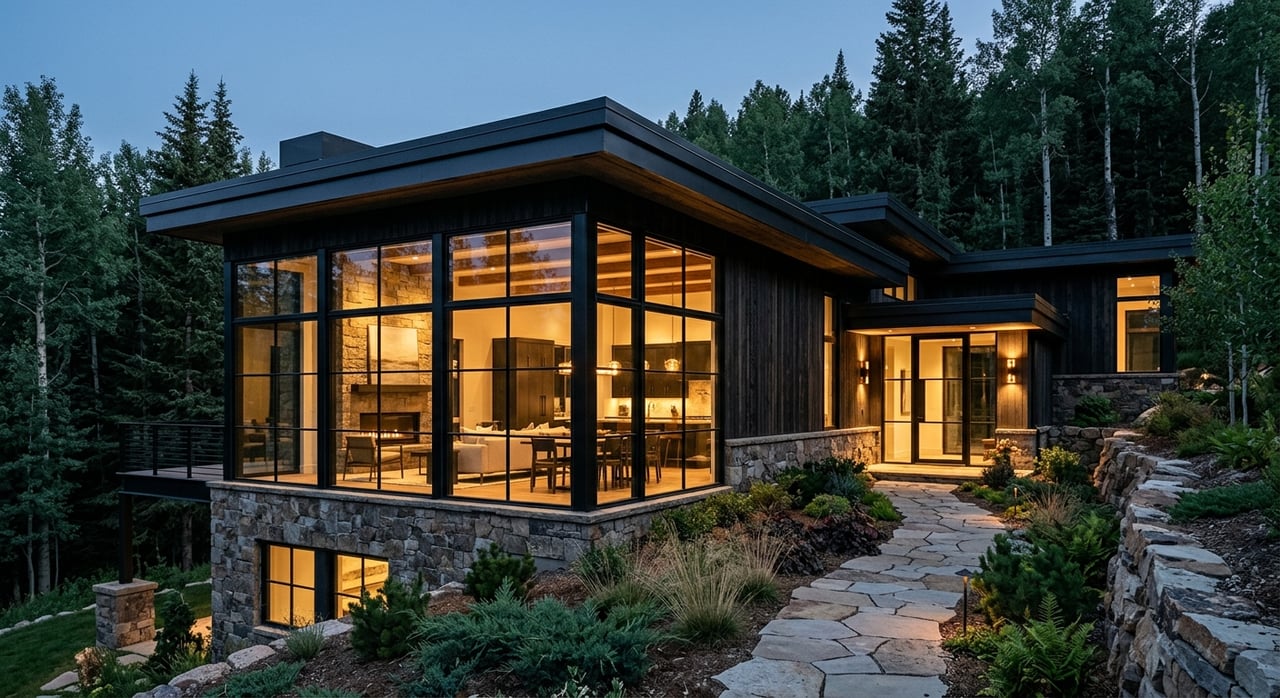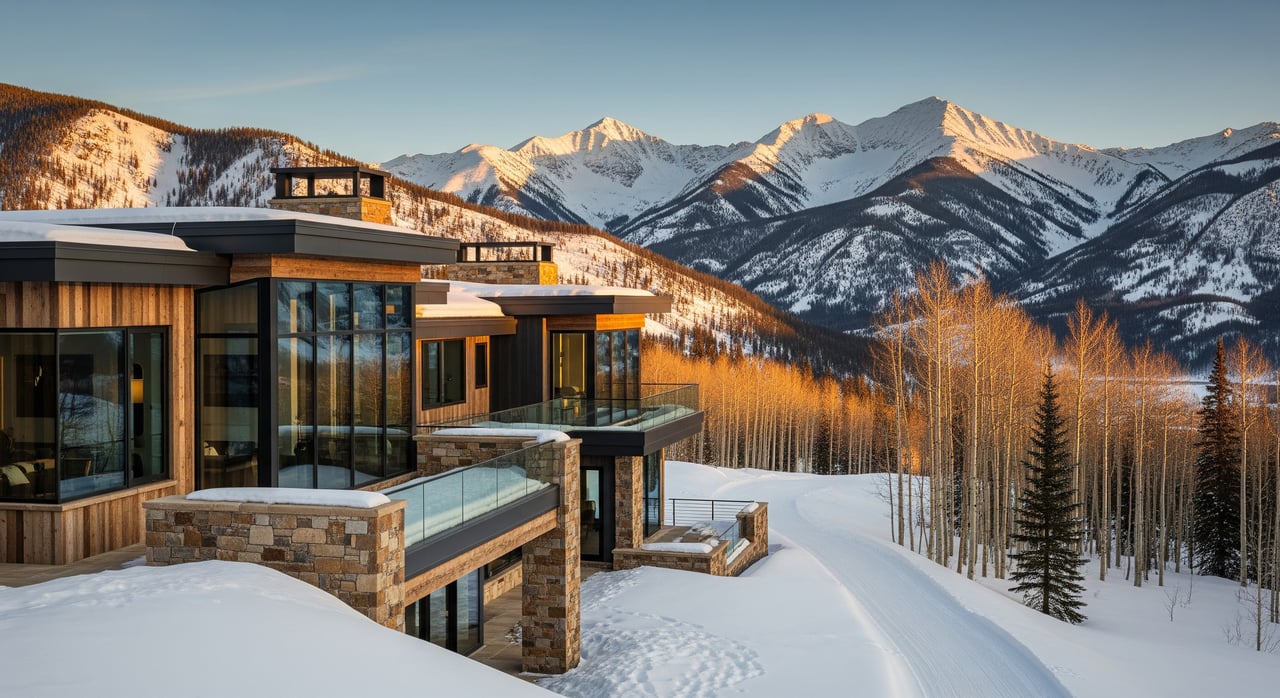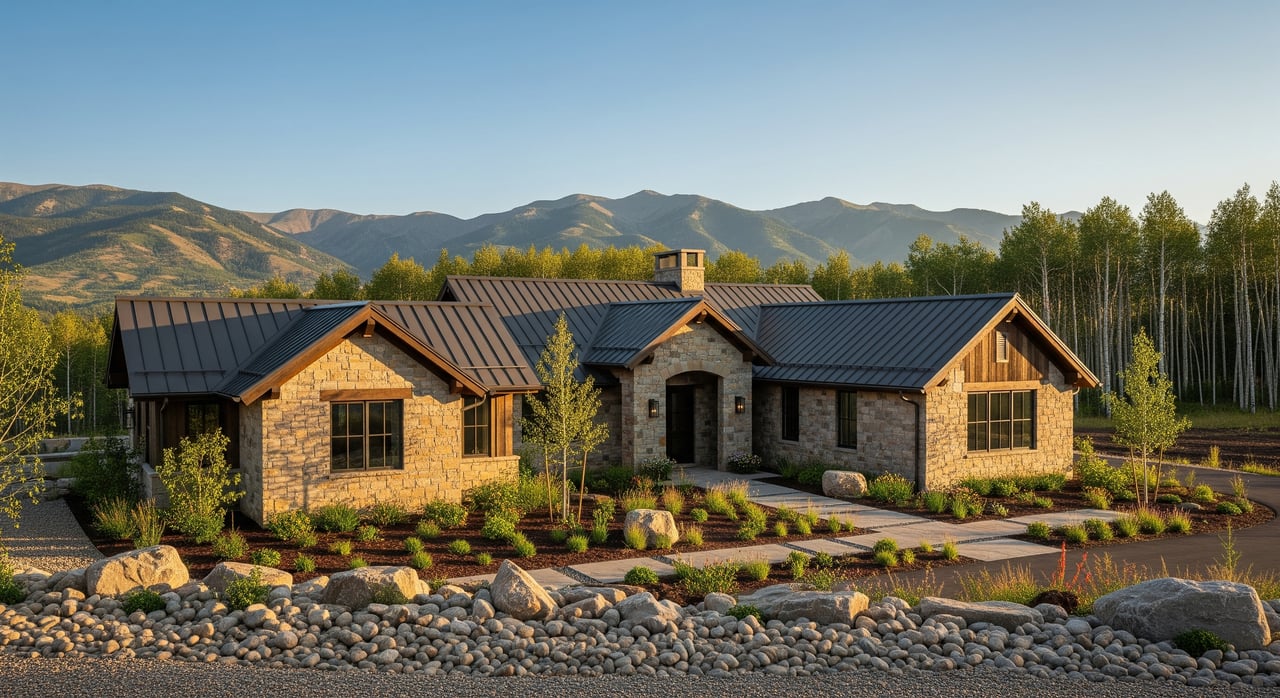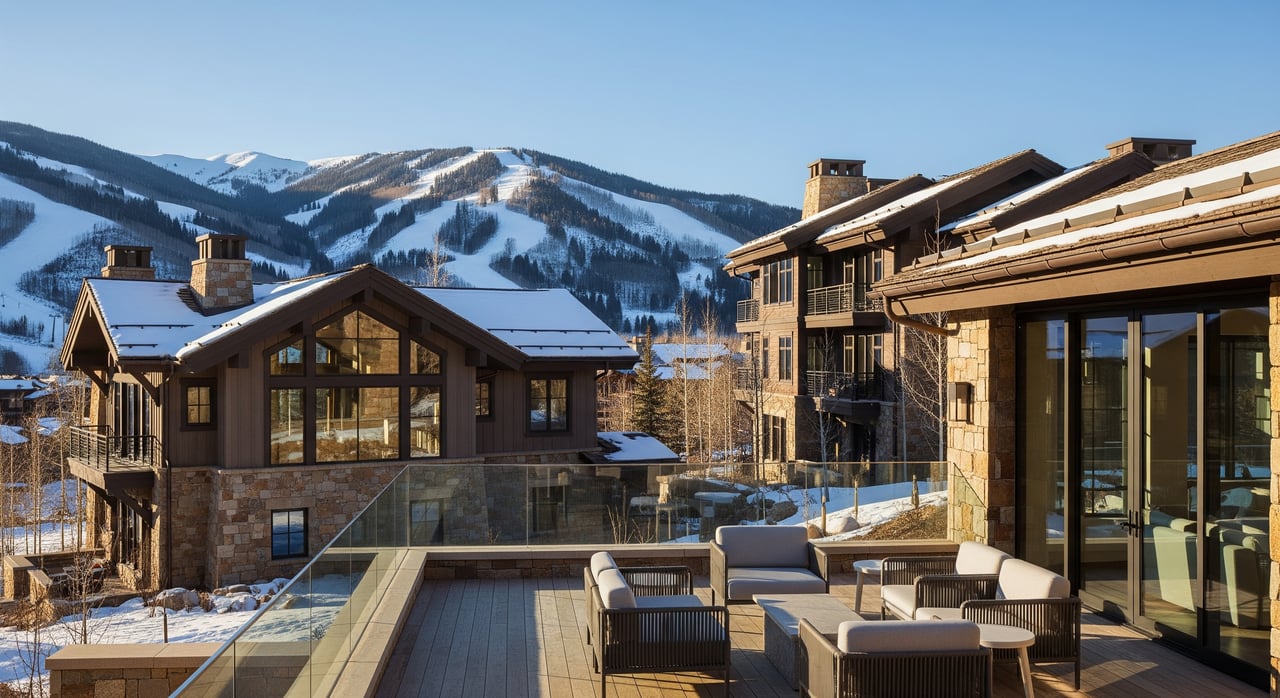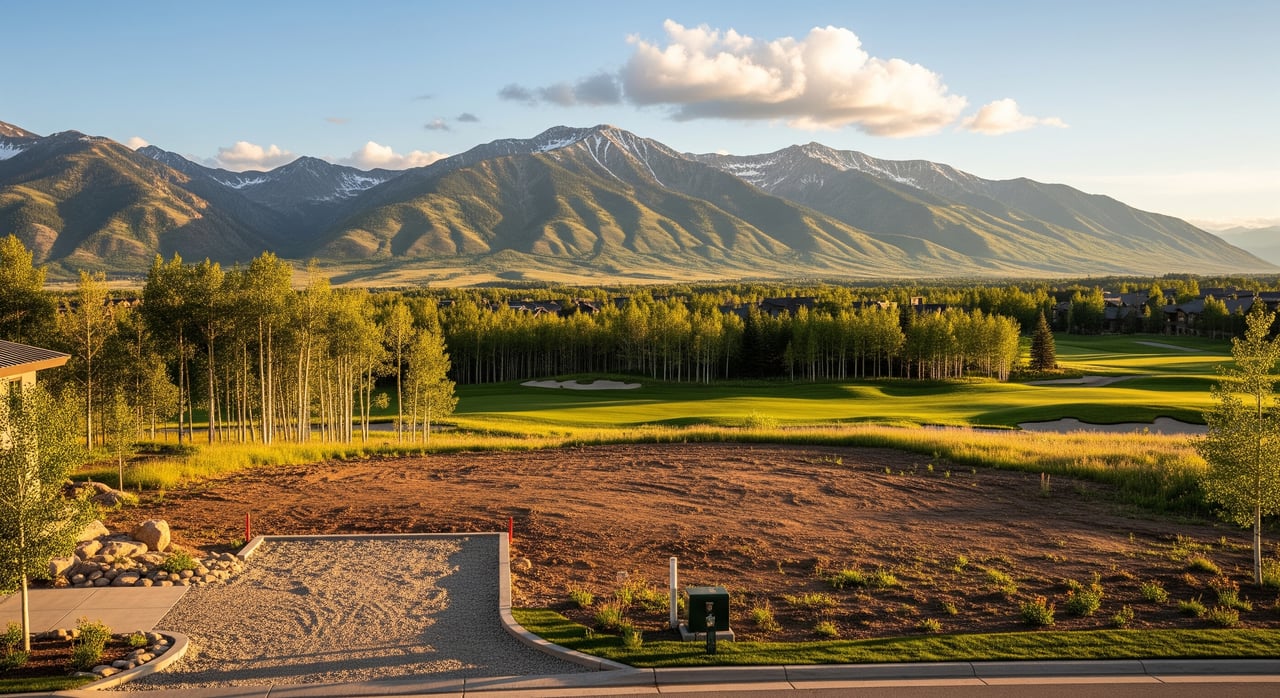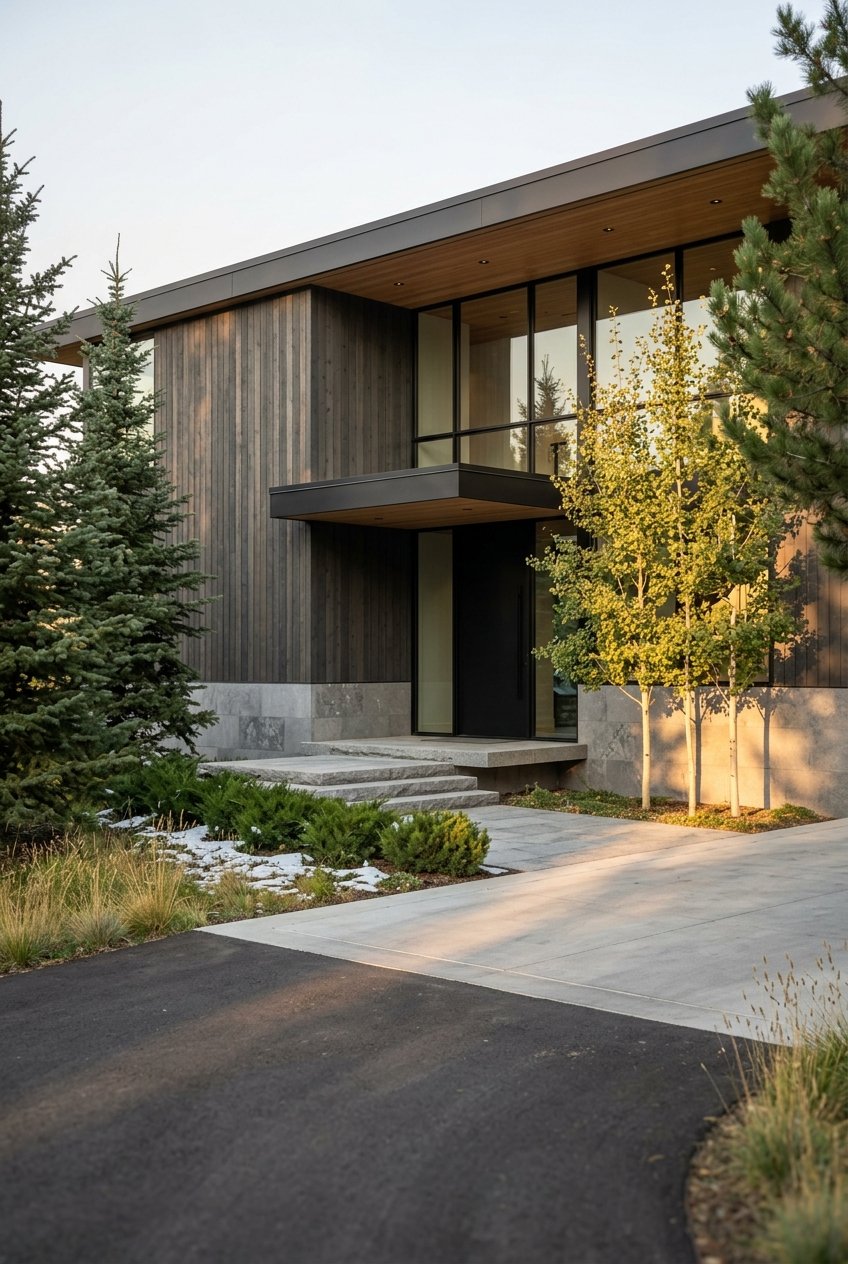
What does it take to create a home that feels just as meaningful 20 years from now as it does on move-in day? In The Colony at White Pine Canyon, that question matters more than square footage or finishes alone. If you are thinking about building a legacy estate here, you need to understand how land, ski access, privacy, views, and community design standards work together. Let’s dive in.
Why The Colony Suits Legacy Estates
The Colony is not a typical mountain neighborhood where one lot can be treated much like the next. It is a highly scarce, low-density ski-in, ski-out residential community on 4,600 acres in Park City, with a tightly managed estate setting and phase-specific homesites. That matters because your design decisions need to respond to the exact character of your parcel, not just a broad neighborhood style.
The community is also shaped by active stewardship. The HOA manages operations, forest oversight and protection, seasonal social events, and owner communications, while the gatehouse is staffed 24 hours a day for emergencies, approved guests, and functions. For you, that creates a more curated and carefully maintained environment for a long-term family property.
The larger mountain setting adds another layer of value. Park City Mountain reports 7,300 acres of skiable terrain, 41 lifts, more than 330 trails, and average snowfall of 355 inches. In practical terms, many buyers here are planning around ski access, village access, and four-season use, not just the house itself.
Start With the Site, Not the Floor Plan
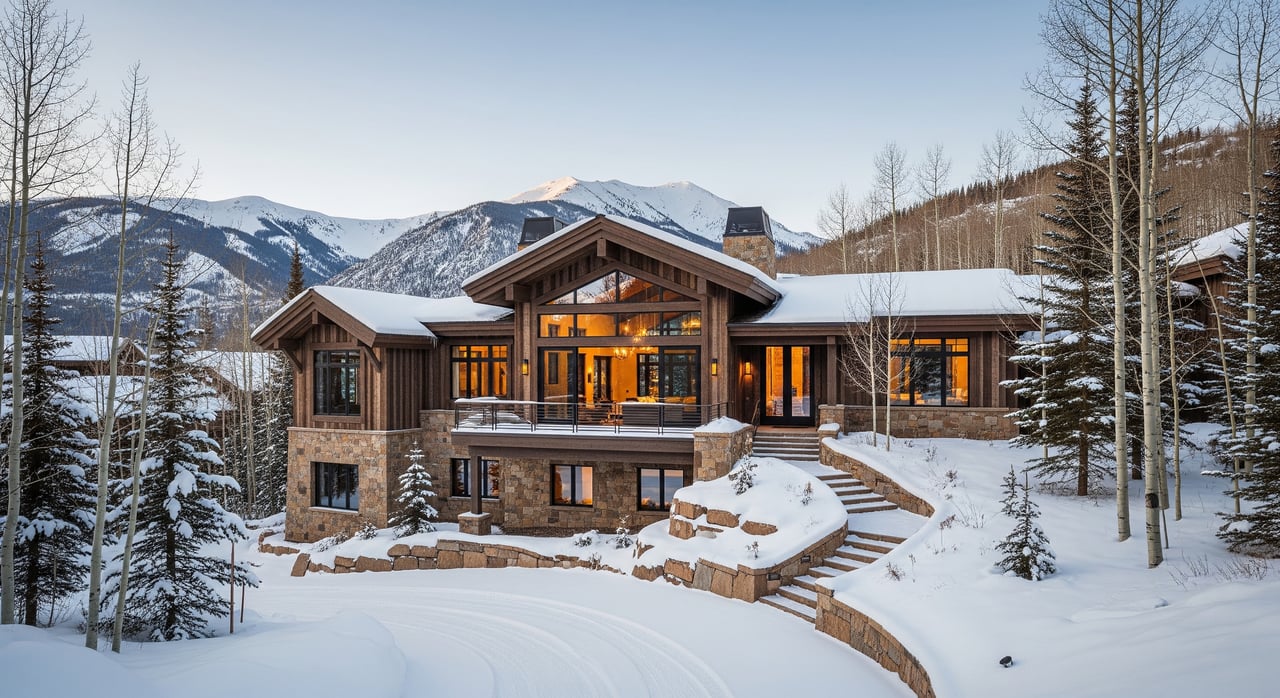
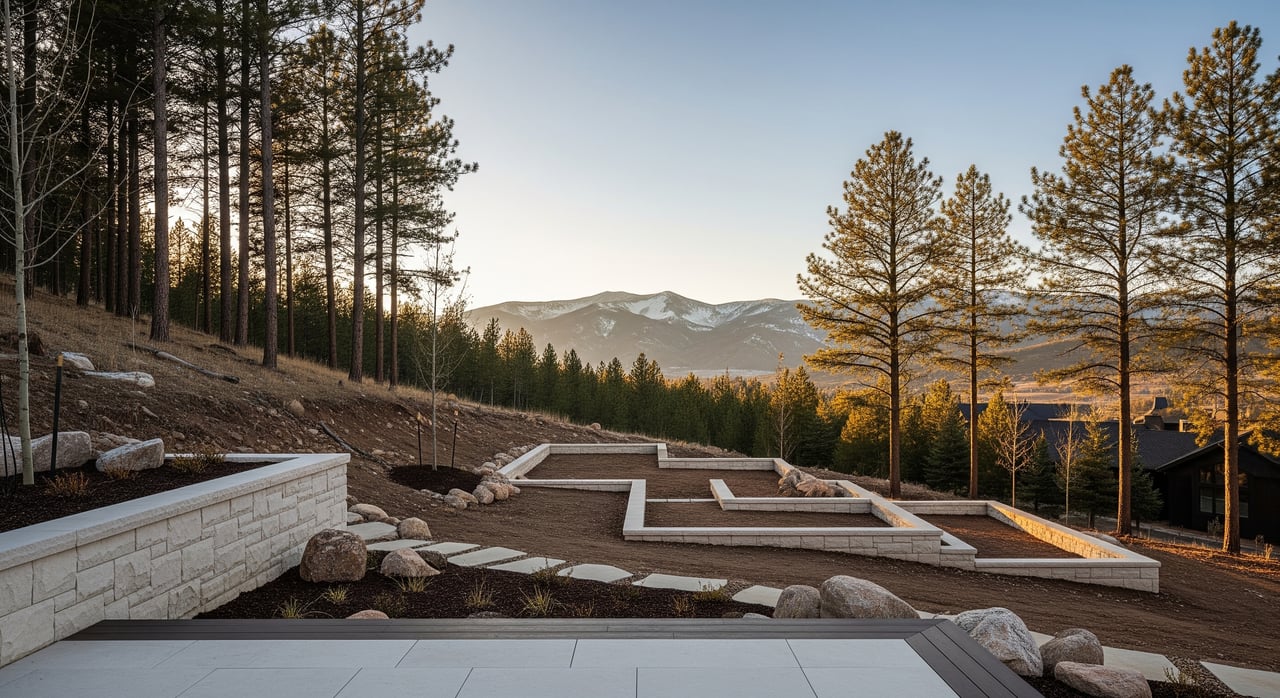
In The Colony, great estate design begins with the land. The Design and Development Guidelines emphasize preserving the environmental and visual integrity of the alpine landscape, working with natural grades, and allowing homes to settle quietly into the site. That means the smartest approach is to study your development envelope, driveway corridor, ski-in and ski-out connections, and disturbance limits before locking in architecture.
The community was master planned to preserve open-space corridors for creeks, wetlands, riparian areas, and wildlife habitat. Roads were aligned to remain as visually unobtrusive as possible. So when you plan a legacy estate here, you are not designing in isolation. You are fitting a home into a larger mountain framework that values restraint and stewardship.
This is one reason estate planning in The Colony often feels more thoughtful than in a standard subdivision. The lot may be large, but the strongest designs are usually the ones that listen carefully to the topography and landscape first.
Balancing Views and Privacy
One of the most common design goals in The Colony is getting expansive views without feeling exposed. The guidelines specifically focus on minimizing visibility from neighboring homes and from the basin, while tying structures closely to the landform. That makes privacy less about distance alone and more about how the home is placed, shaped, and approached.
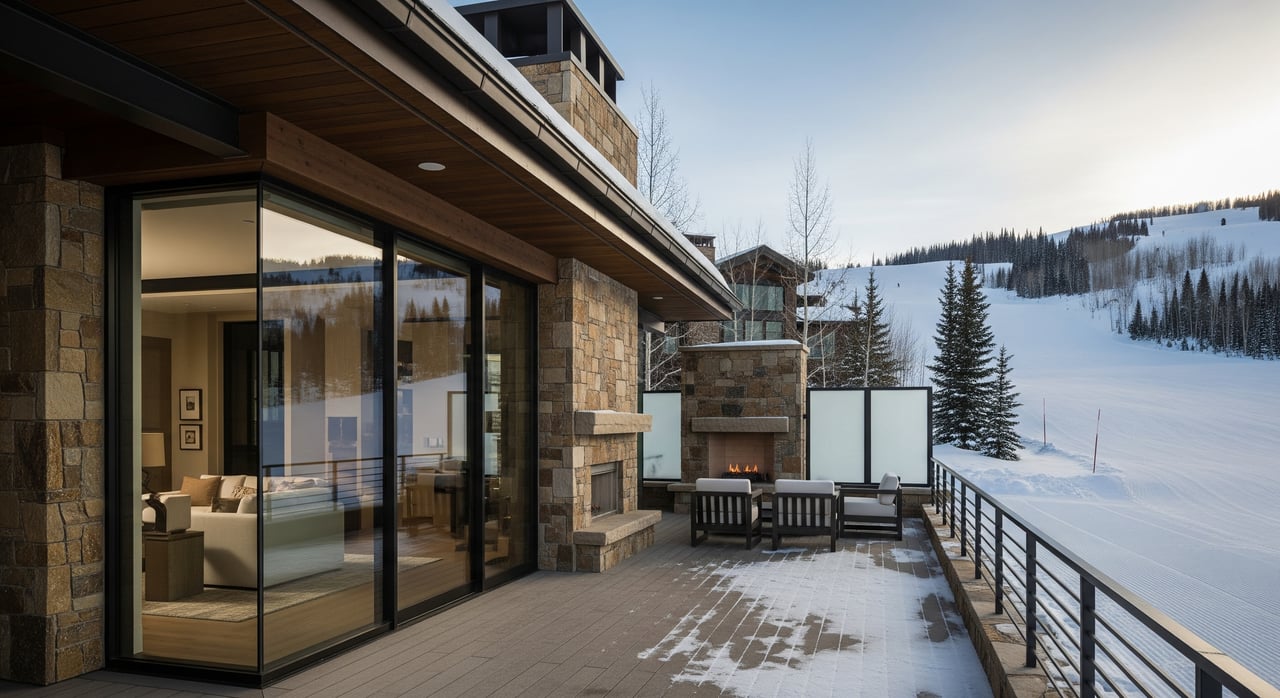
Some areas, including certain Upper Meadow homesites, are intended to capture meadow, lake, down-valley, and surrounding peak views. At the same time, those homes can also be more visible to adjacent homesites. So the design challenge is often not whether you can have views, but how to capture them in a way that still feels calm and private.
For many buyers, that leads to a few smart priorities:
- Position main living spaces toward protected view corridors
- Use layered massing instead of one large, exposed volume
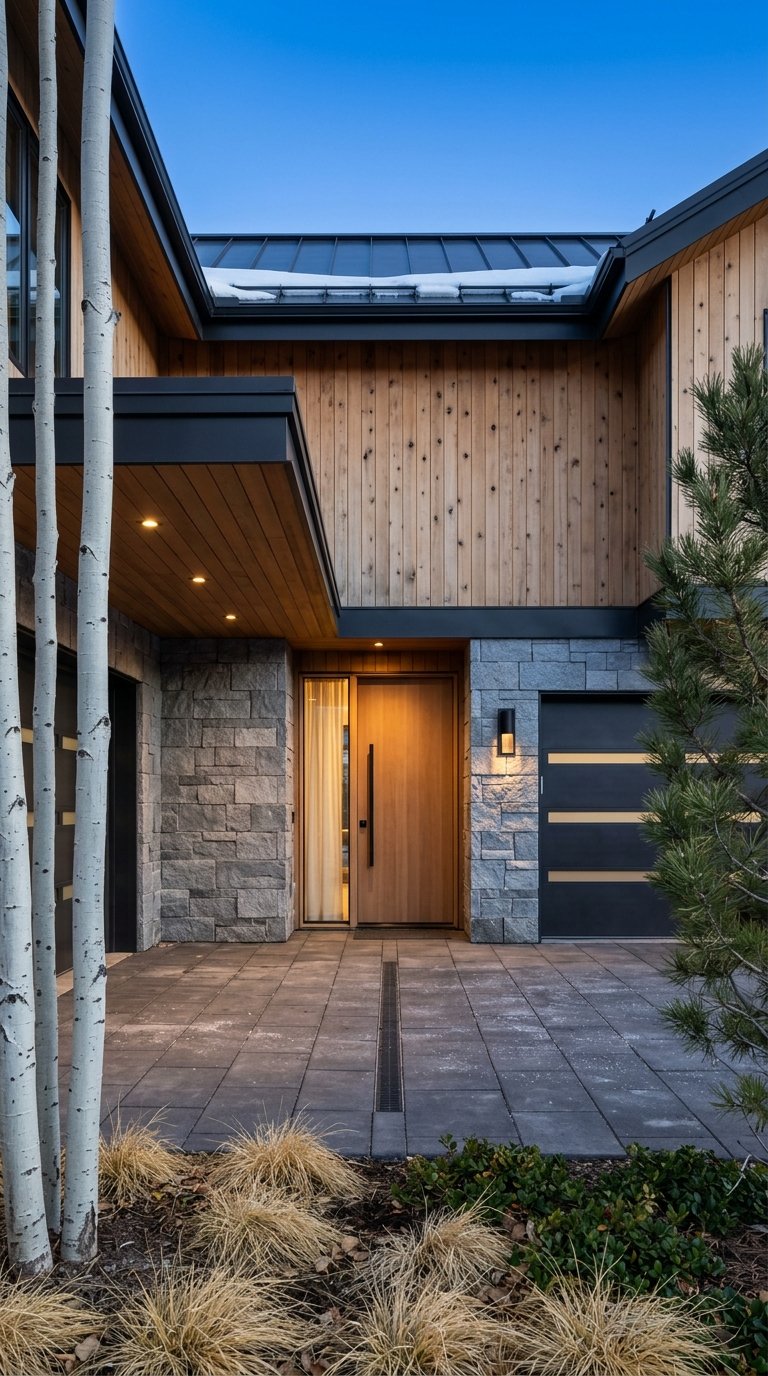
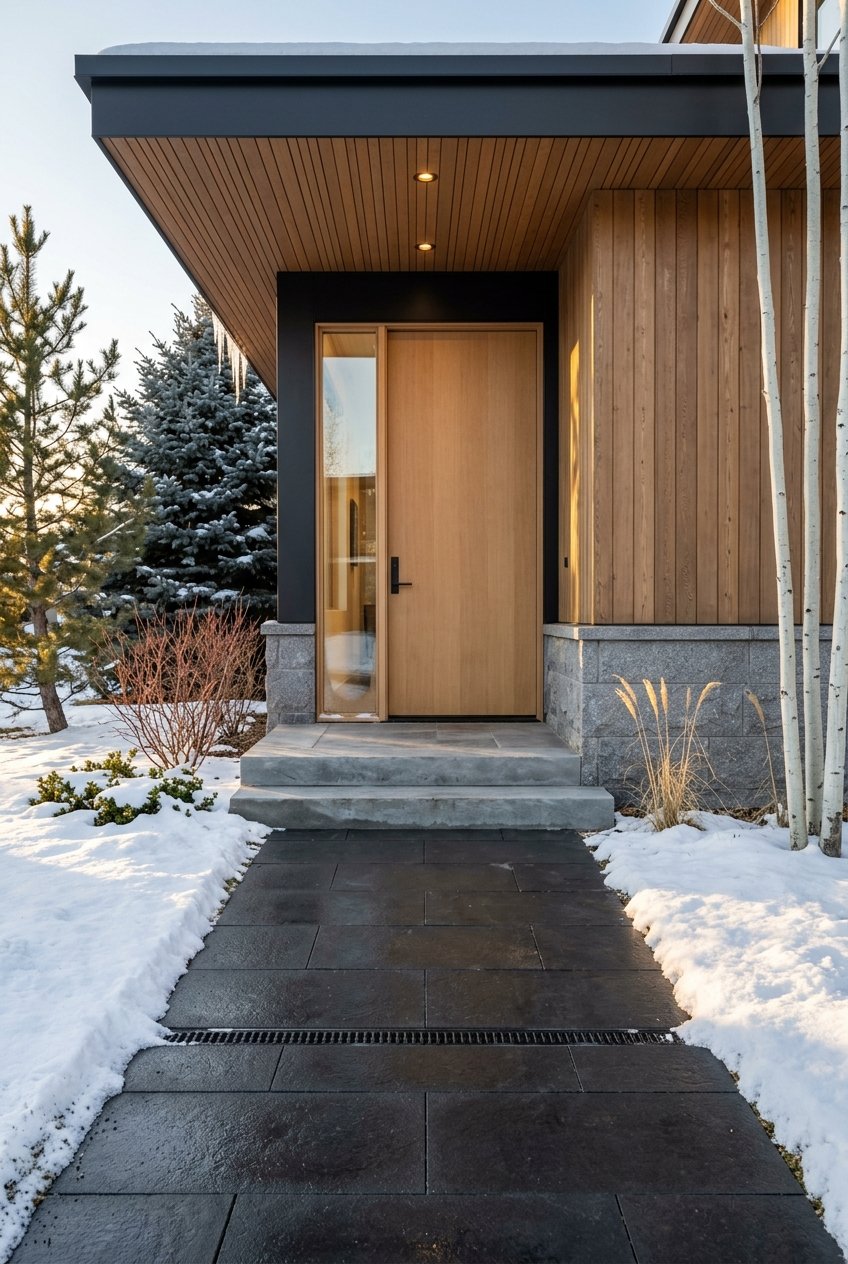
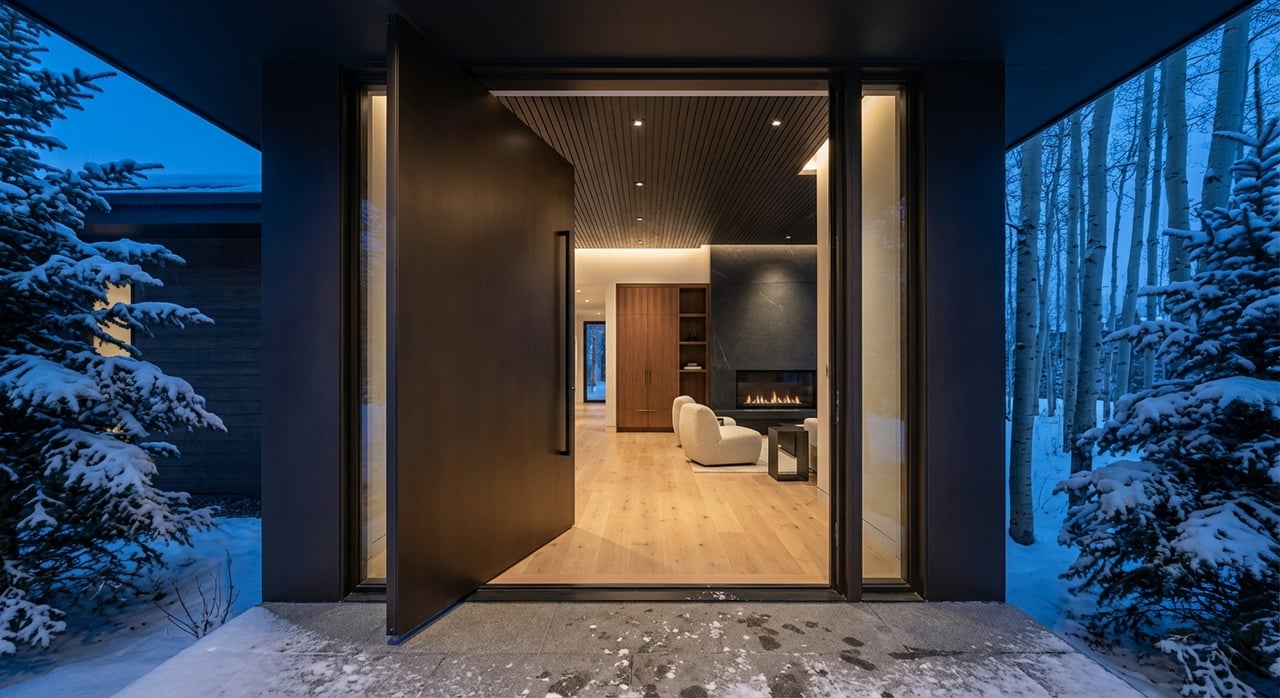
- Create arrival sequences that feel discreet rather than fully revealing the home at once
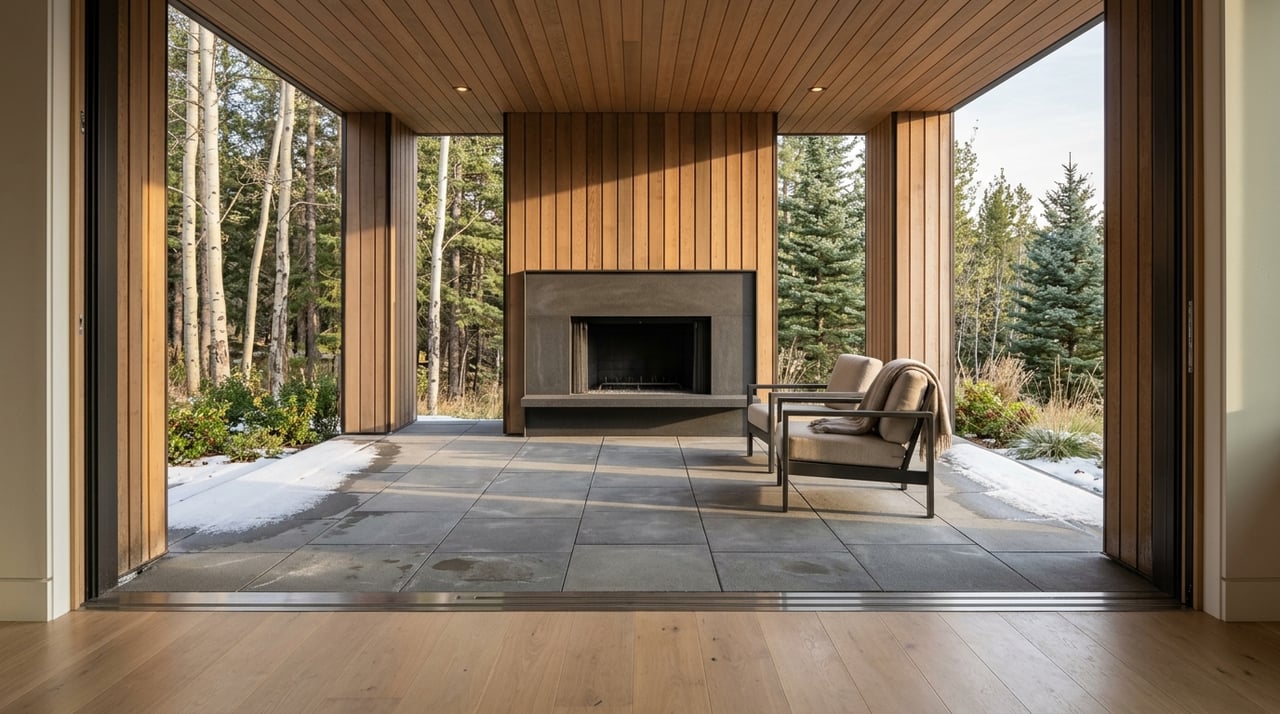
- Plan outdoor living areas where grade, vegetation, and building form help create shelter
Architecture That Fits the Land
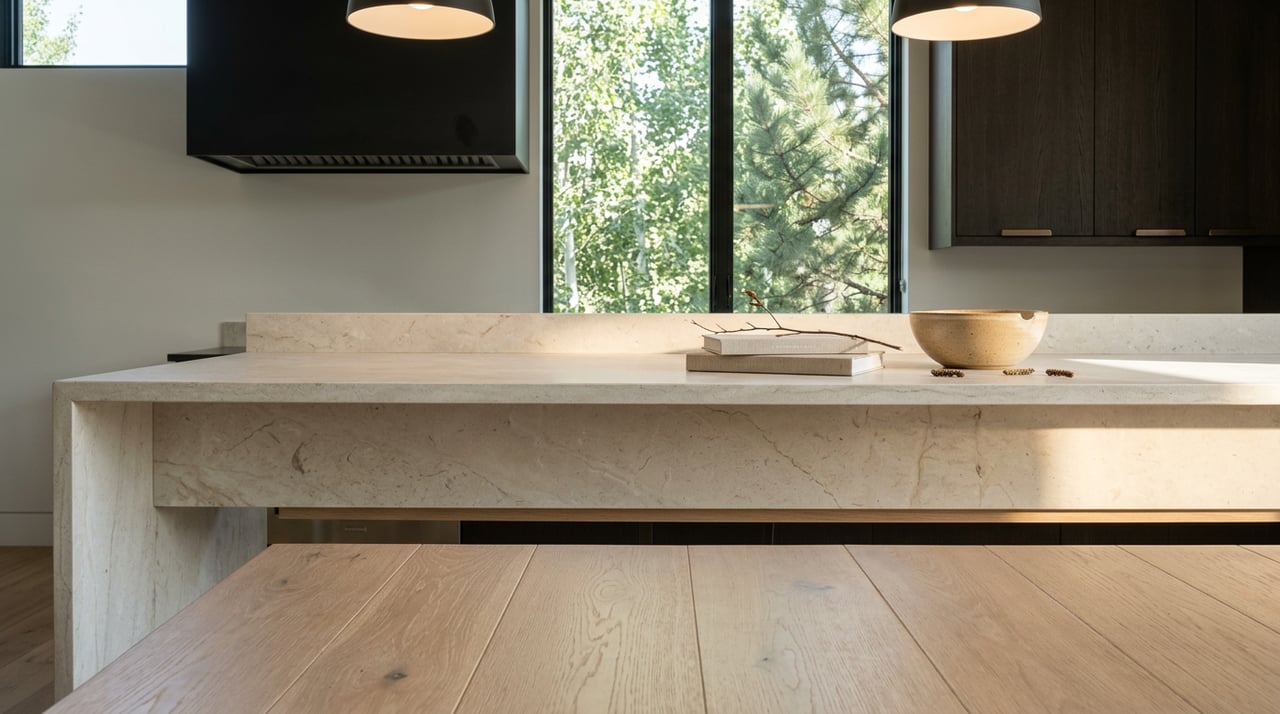
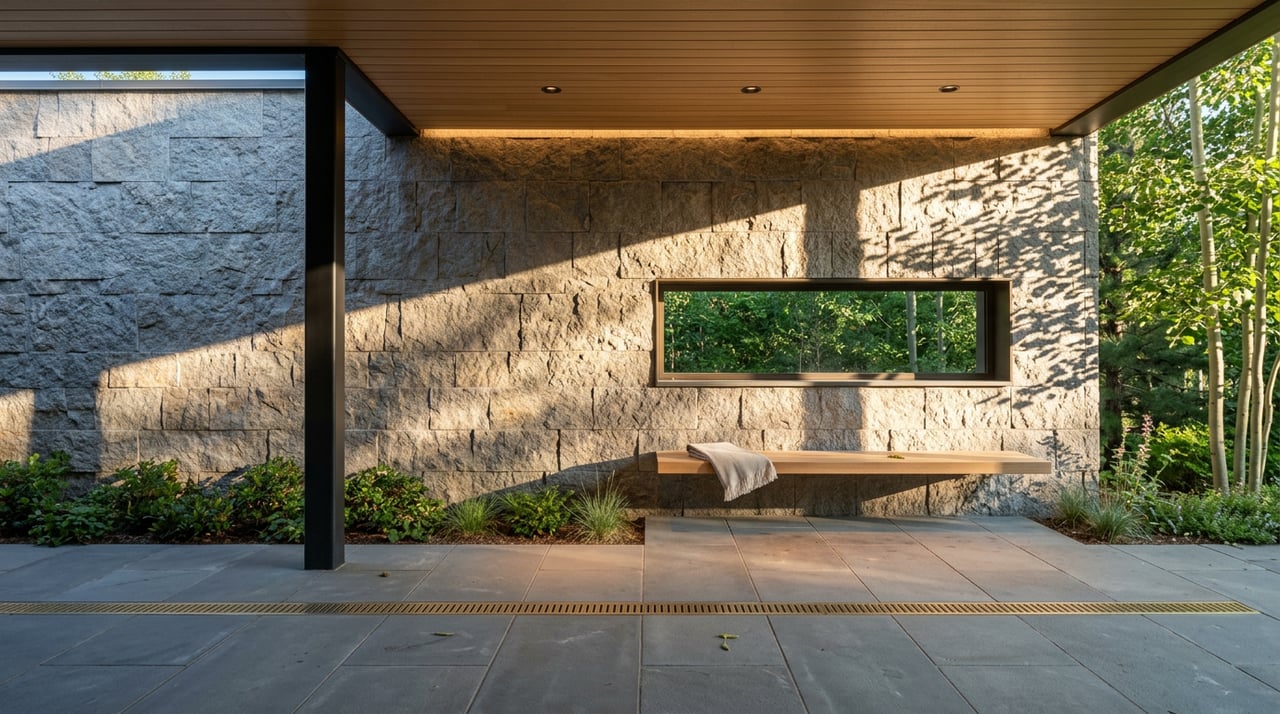
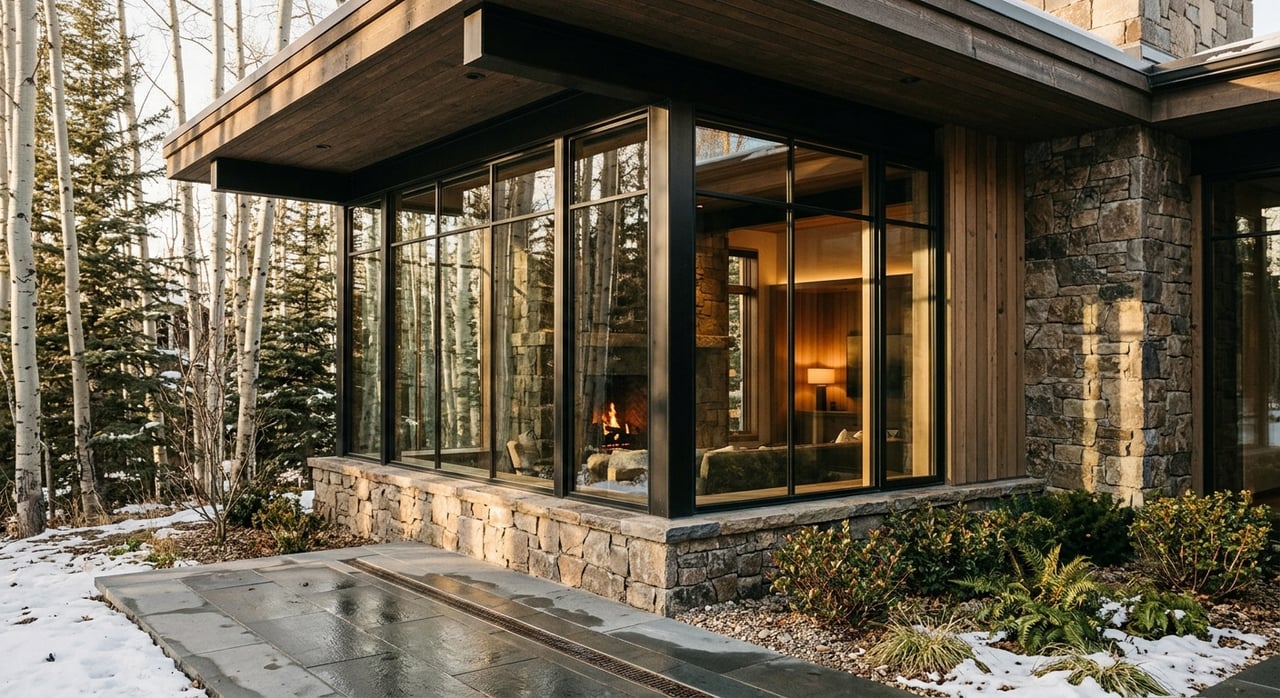
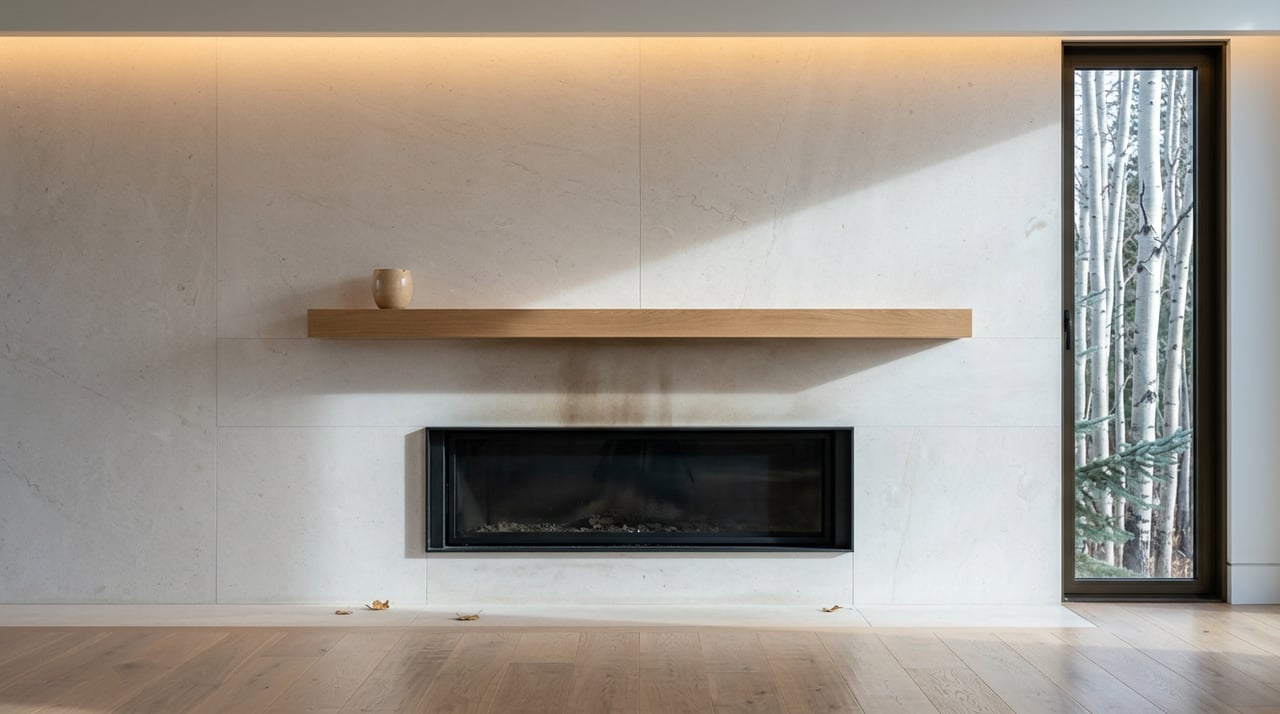
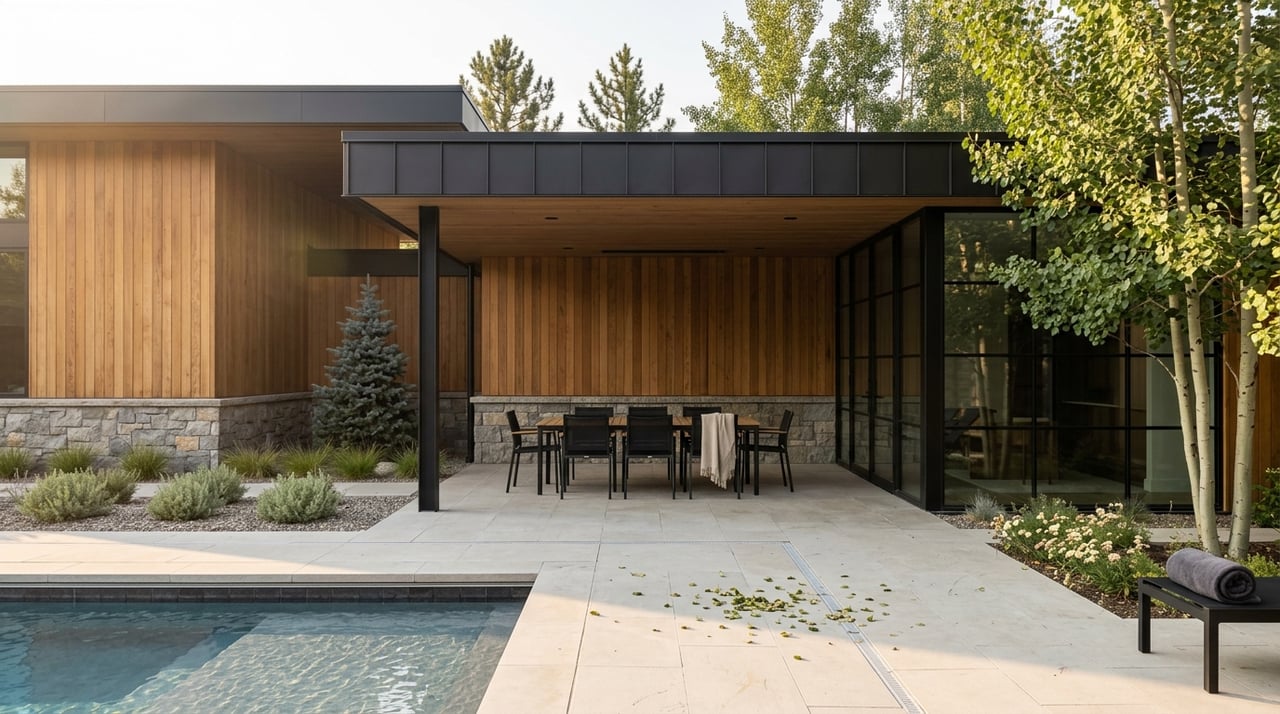
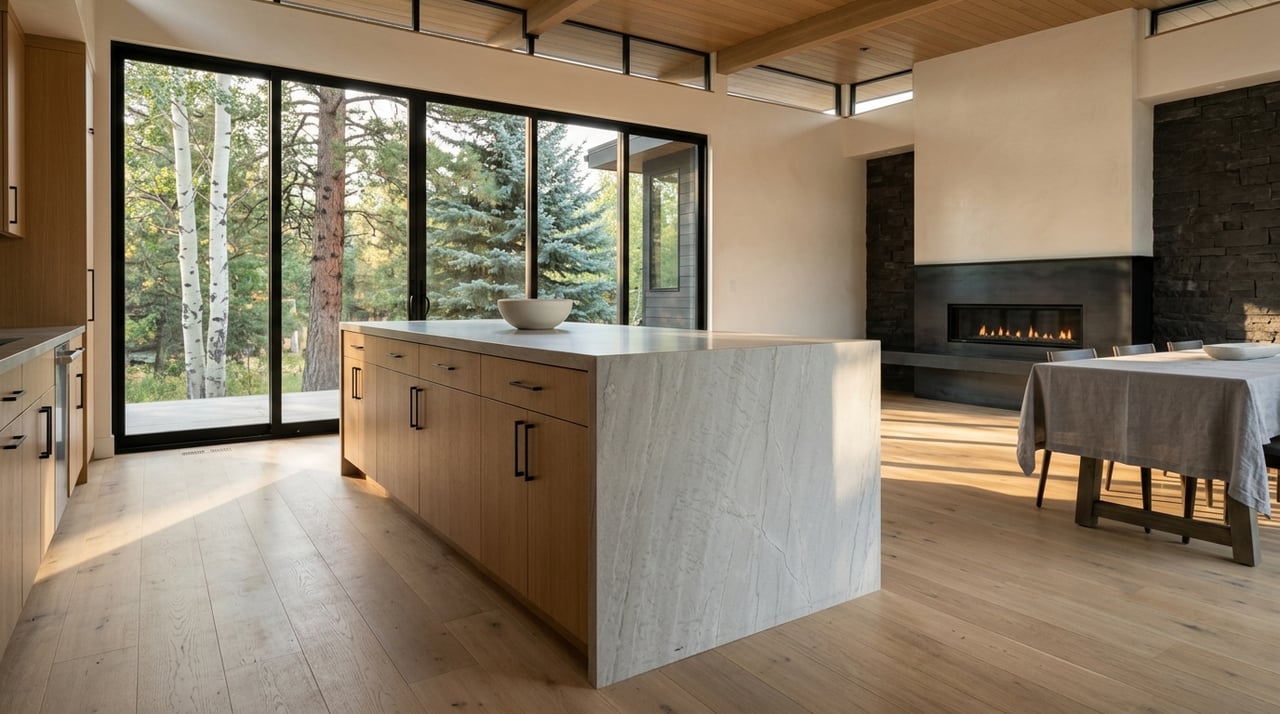
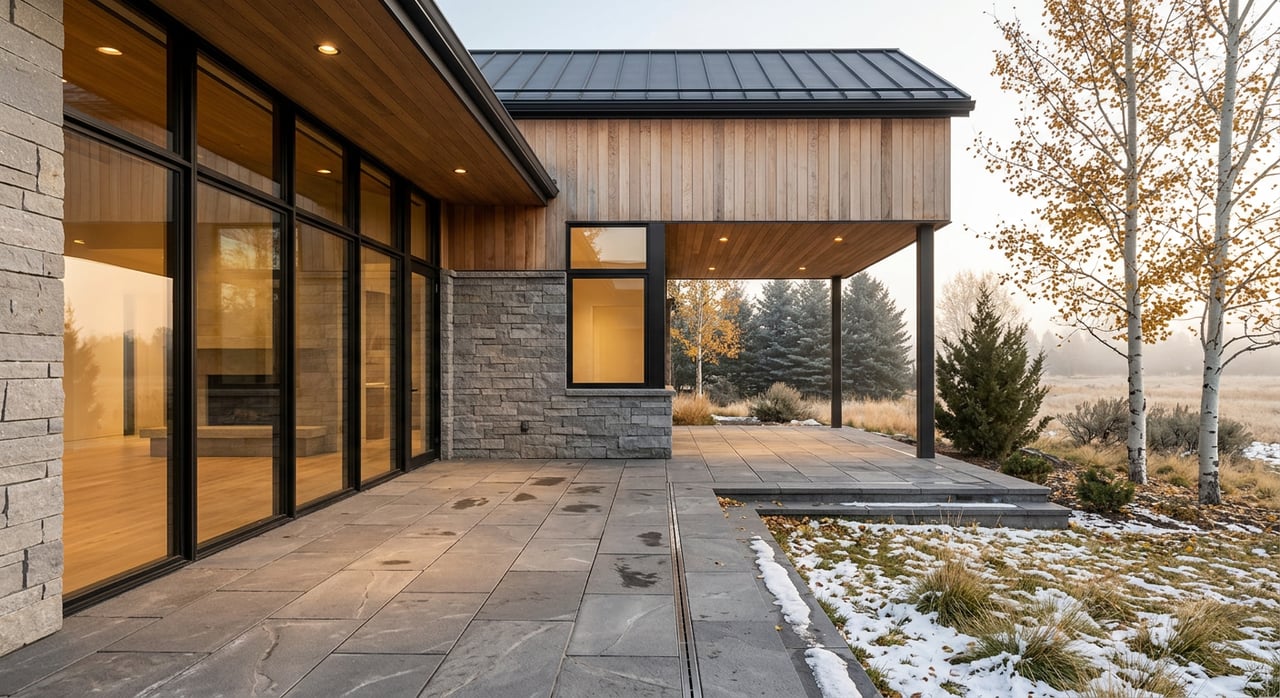
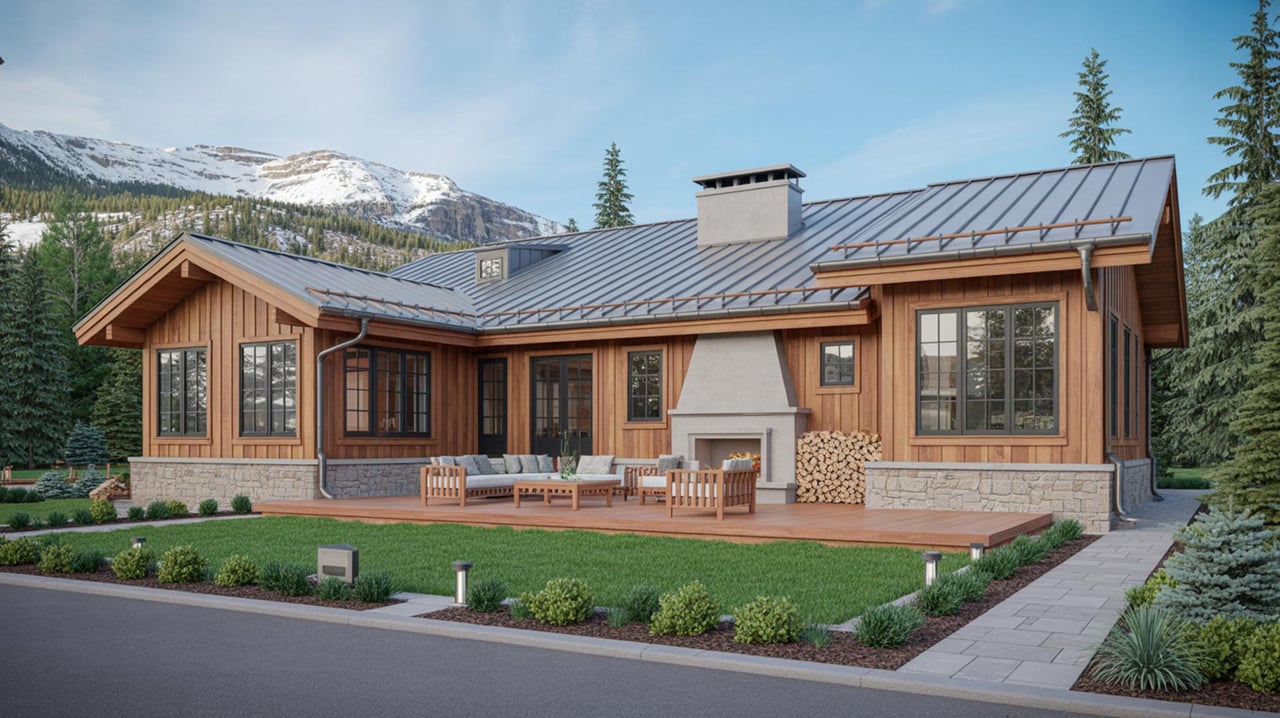
The Colony does not require one specific architectural style. Instead, the guidelines ask owners to use materials and forms that reflect the natural characteristics of the site and climate. That gives you meaningful design freedom, but within a disciplined framework.
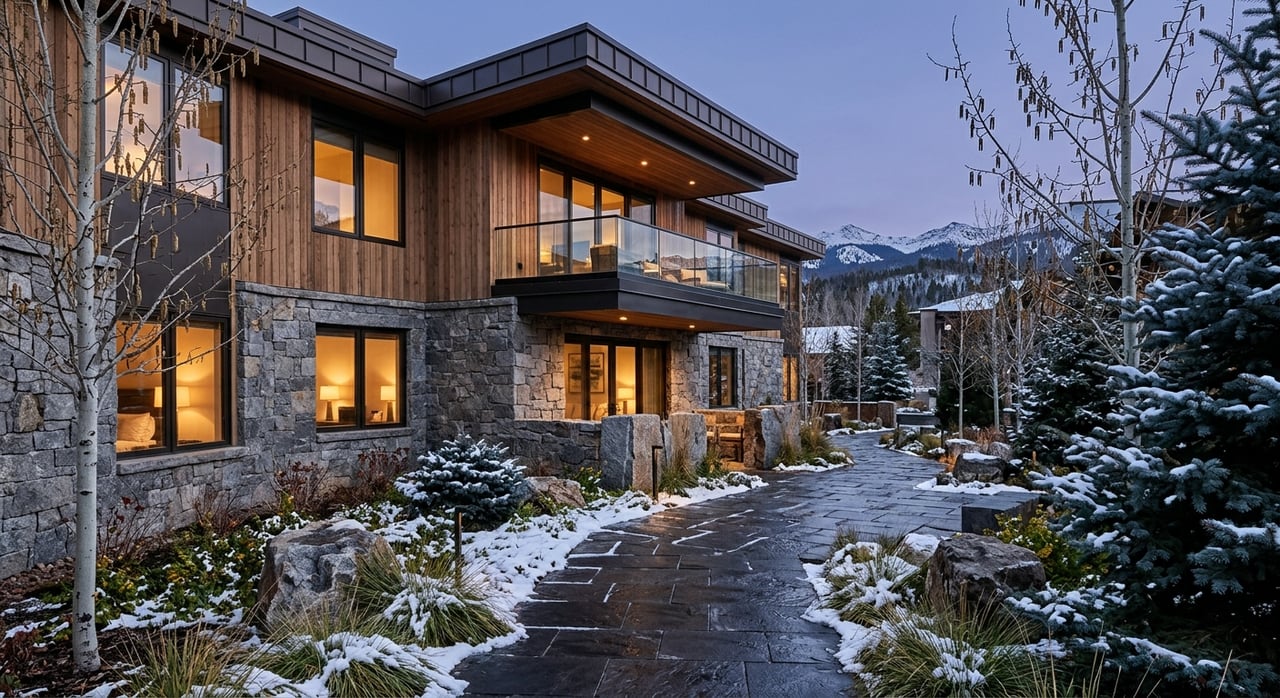
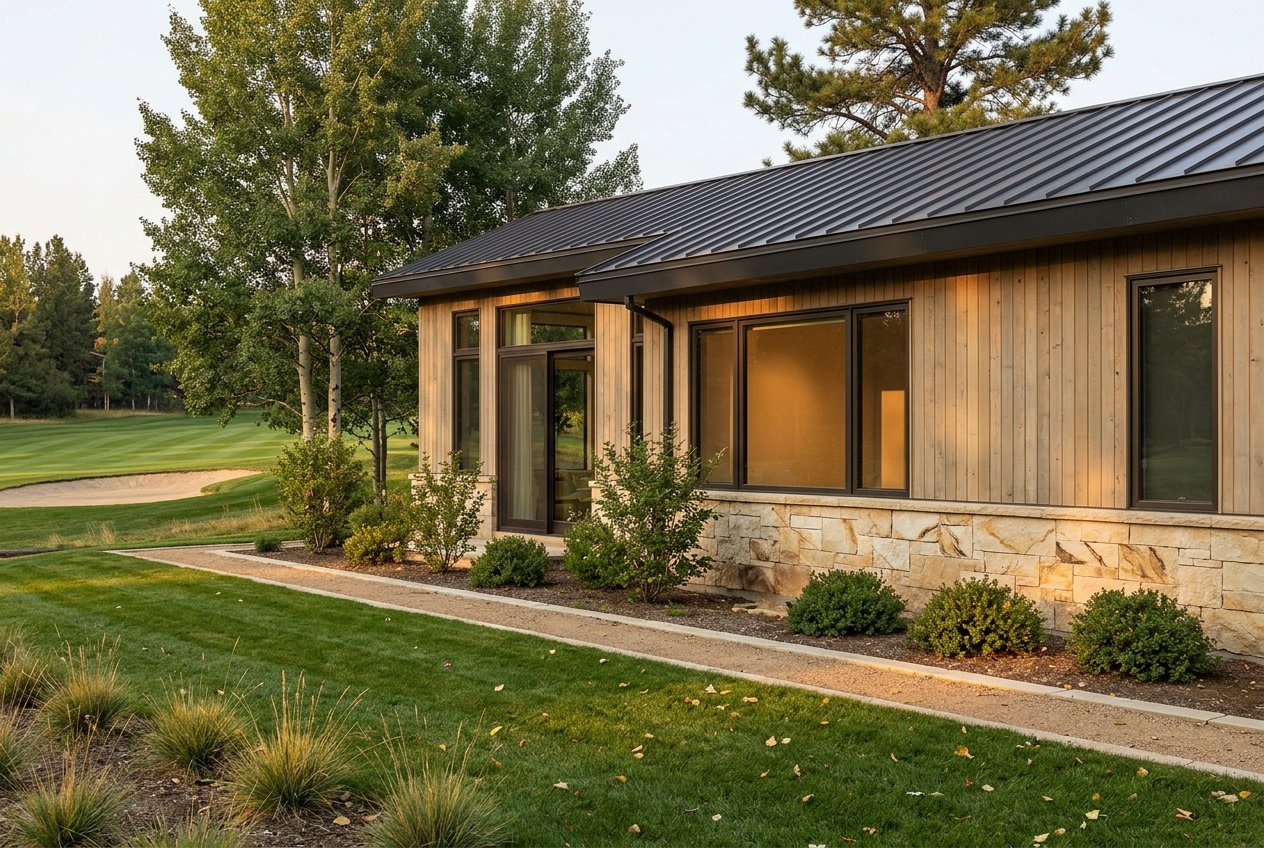
The built-form standards are clear. Building siting and massing must respond to natural topography, maximum building height is 32 feet, and height should be lower on open, flatter sites. Roofs are expected to be non-reflective, and massing should be stepped or layered rather than one uninterrupted block.
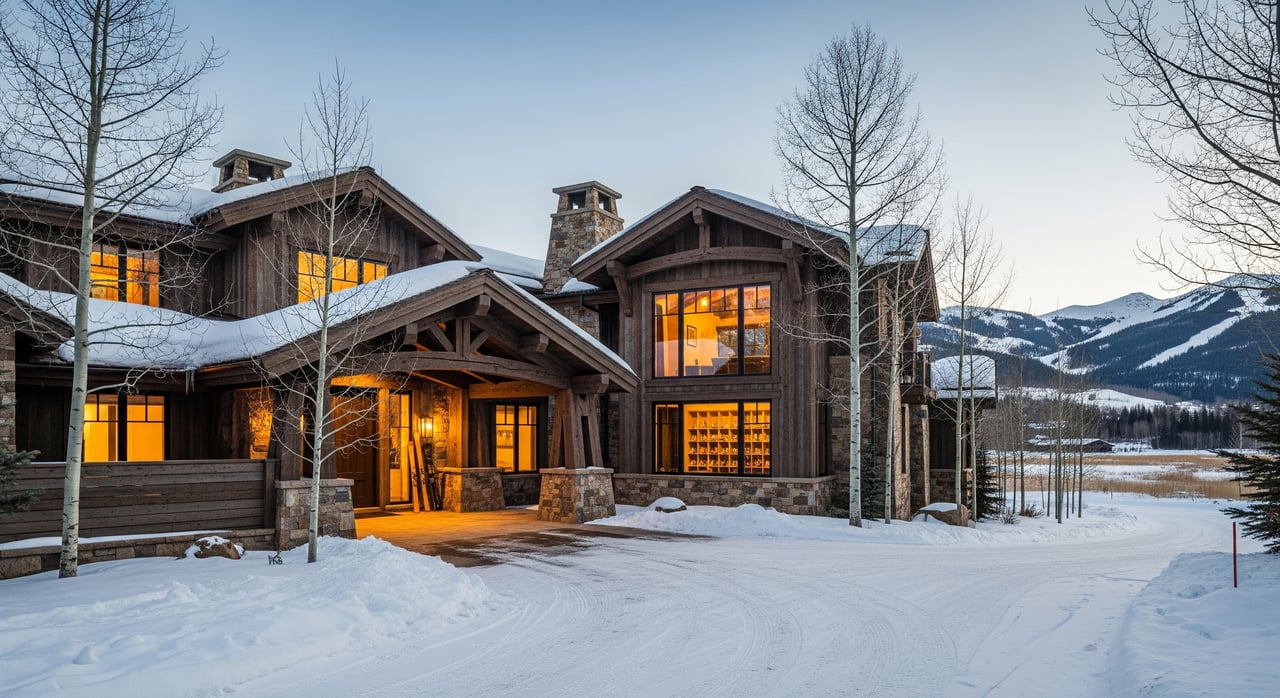
For a legacy estate, this often supports architecture that feels composed instead of oversized. A house can still be substantial, but it should read as a series of elements connected to the terrain rather than a single object imposed on it. In The Colony, the most lasting homes are often the ones that feel inevitable on their site.
Planning for Multi-Generational Living
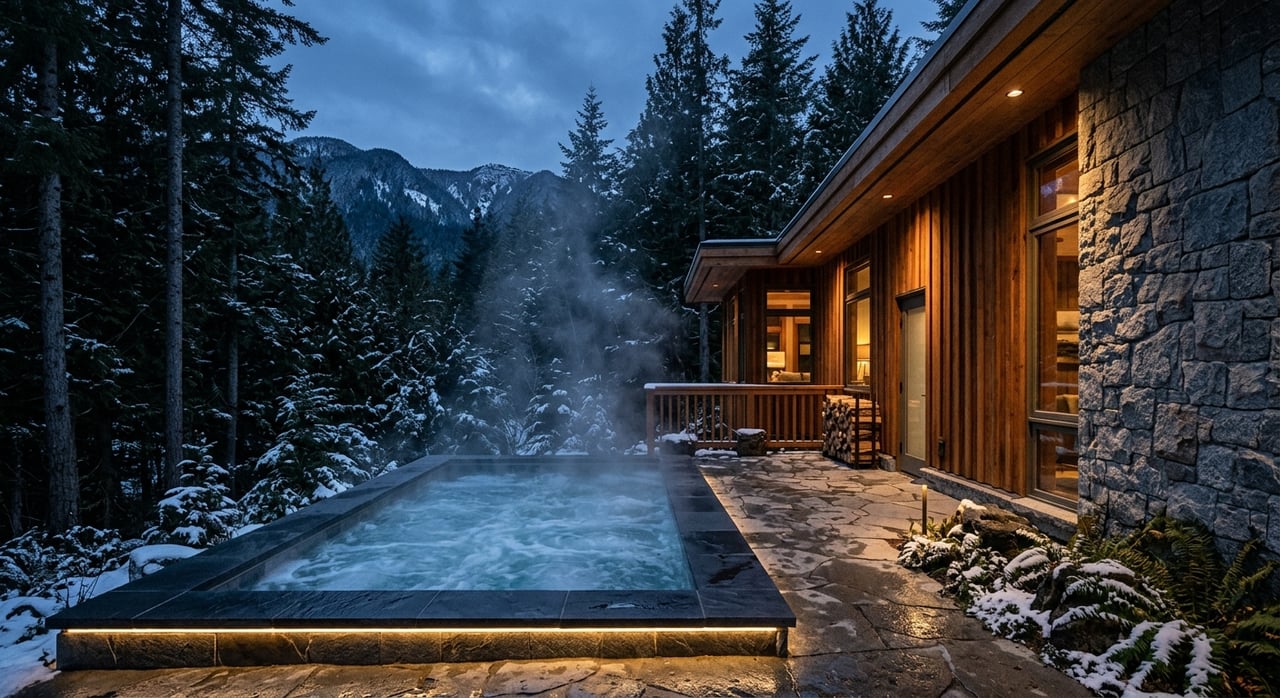
A legacy estate should support the way your family gathers now and how it may gather years from now. The Colony’s permitted-use rules are especially helpful here because they allow more complex estate programs than many mountain communities. Within the development envelope, owners may build a single-family home, a guest house with a total footprint not exceeding 2,500 square feet, barns and accessory outbuildings including caretaker quarters, recreational facilities such as pools and spas, approved fencing, and low-level site lighting.
Just as important, a main home, guest home, and or barn may be built in any sequence. That flexibility can be valuable if you want to phase construction over time or adapt the property as your family’s needs change. It also opens the door to a more thoughtful estate plan rather than an all-at-once approach.
When you think about programming a legacy estate, consider how the property may serve:
- Adult children and grandchildren visiting during ski season
- Long-stay guests who need privacy and independence
- Caretaker or staff support
- Wellness, recreation, and gear storage needs
- Future construction phases that expand the estate over time
The application materials also ask owners to identify primary and secondary units, accessory structures, garages, bedrooms, kitchens, bathrooms, and parking. That tells you something important: The review process already anticipates households with more complexity than a simple vacation cabin plan.
Garages, Arrival, and Daily Function Matter
In a mountain estate, function shapes experience. The Colony requires one parking space per bedroom for the main home and or guest home, with at least two covered spaces for the main home. Guest homes also need two covered spaces, and parking is not allowed along roads or common driveways.
Exterior parking of vans, boats, trailers, recreational vehicles, or tractors is prohibited. That means garage count, service access, owner arrival, guest drop-off, and gear storage should be treated as central design questions from the beginning. If you ski, host family, or plan seasonal stays, a smooth arrival sequence can make the estate feel far more usable year after year.
Landscape Stewardship Is Part of the Design
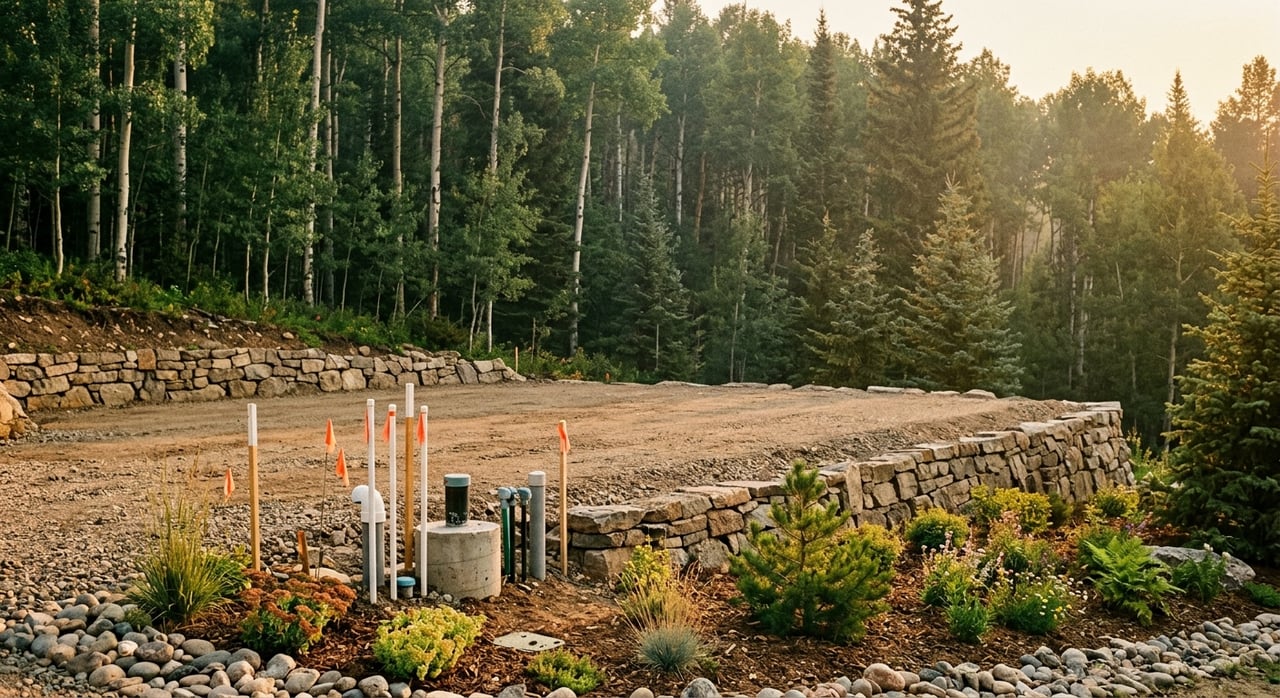
In The Colony, landscape is not just decoration around the house. It is part of the estate itself. Tree removal requires approval, and new planting or vegetation removal outside the development envelope or driveway corridor is generally limited.
Native species are required outside the envelope and recommended within it. Lawn areas should be minimized and kept close to the residence, and water is considered scarce. The guidelines prefer drip or spray irrigation and encourage soil-moisture monitoring, while private wells may be allowed only with approval and required state water-rights permits.
For you, that means the landscape plan should feel intentional, not expansive for its own sake. A strong design usually focuses on outdoor rooms near the home, selective planting, and a natural transition back into the broader alpine setting.
Wildfire Strategy Starts Early
Wildfire planning is essential in this high-elevation, semi-arid, forested environment. The guidelines describe wildfire as a serious hazard and require fuel-reduction standards and Fire Marshal wildfire-mitigation standards early in planning. Hazardous vegetation must be cleared around proposed structures before combustible construction begins.
All structures must have fire sprinklers, and roofs must use Class A materials or receive Fire Service District approval. In simple terms, landscape planning, material selection, and site design all need to work together from day one. A well-designed estate here is not only beautiful and private. It is also prepared for the realities of the mountain environment.
Construction Requires Patience and Precision
Building in The Colony is a managed process. The guidelines limit work hours, prohibit Sunday and major-holiday construction, and restrict access that would affect ski trails during ski season. Snow removal and snow storage must stay within approved disturbance limits, and ski trails are closed to construction activity.
This can affect timing, logistics, and how you phase the project. It also reinforces an important point for buyers considering a build: the process here rewards careful planning and a team that understands both design ambition and community standards.
What Makes a Colony Estate Enduring
The most successful legacy estates in The Colony usually do a few things very well. They respect the landform, protect privacy without giving up views, and create flexible space for family and guests. They also treat wildfire planning, landscape stewardship, and mountain logistics as essential parts of the design, not side issues.
That is part of what makes The Colony so compelling. It offers rare ski-in, ski-out estate living, but within a framework that asks every home to contribute to the long-term visual and environmental integrity of the community. If you are building for legacy, that is a meaningful foundation.
Whether you are evaluating a homesite, comparing estate parcels, or thinking through a phased build, the right guidance can help you make decisions that hold up beautifully over time. If you are exploring The Colony and want a design-minded, neighborhood-specific perspective, connect with Tricia Cohen for a private consultation.
FAQs
What makes The Colony different from a typical mountain subdivision?
- The Colony is a low-density, highly regulated ski-in, ski-out estate community where design, land disturbance, siting, and visual impact are closely managed under detailed community guidelines.
How much design freedom do you have in The Colony at White Pine Canyon?
- You have meaningful freedom because there is no single required architectural style, but your design must use site-responsive massing, non-reflective materials, and forms that fit the natural topography and alpine setting.
Can a property in The Colony include guest accommodations?
- Yes. Within the development envelope, the guidelines allow a guest house with a total footprint of up to 2,500 square feet, along with certain accessory outbuildings and caretaker quarters, subject to community standards.
How do privacy and views work together in The Colony?
- The guidelines prioritize minimizing visibility from neighbors and the basin while preserving strong view opportunities, so privacy usually depends on careful siting, massing, and landscape planning rather than distance alone.
What should you know about wildfire planning in The Colony?
- Wildfire mitigation is required early in the process, including fuel-reduction standards, vegetation clearance around structures, fire sprinklers in all structures, and Class A roof materials or Fire Service District approval.
Is it possible to phase construction for a legacy estate in The Colony?
- Yes. The guidelines state that a main home, guest home, and or barn may be built in any sequence, which can support a phased long-term estate plan.