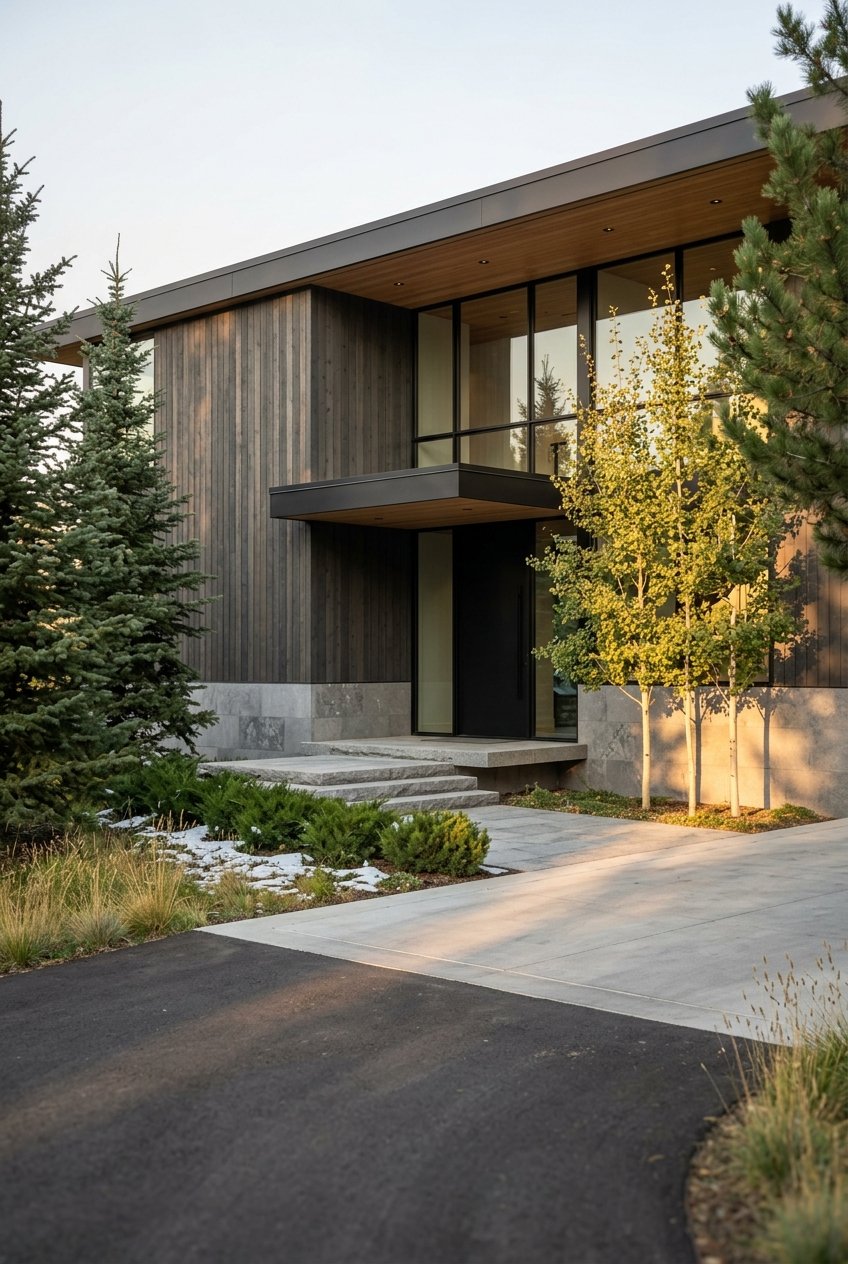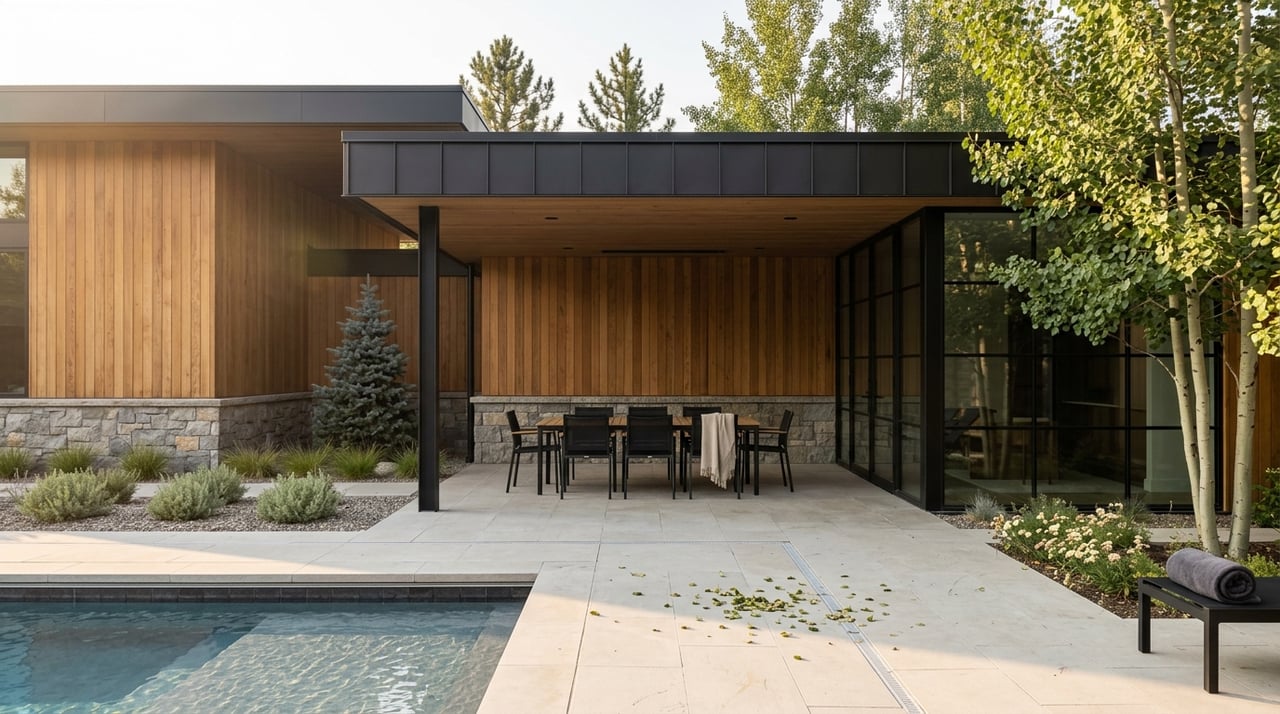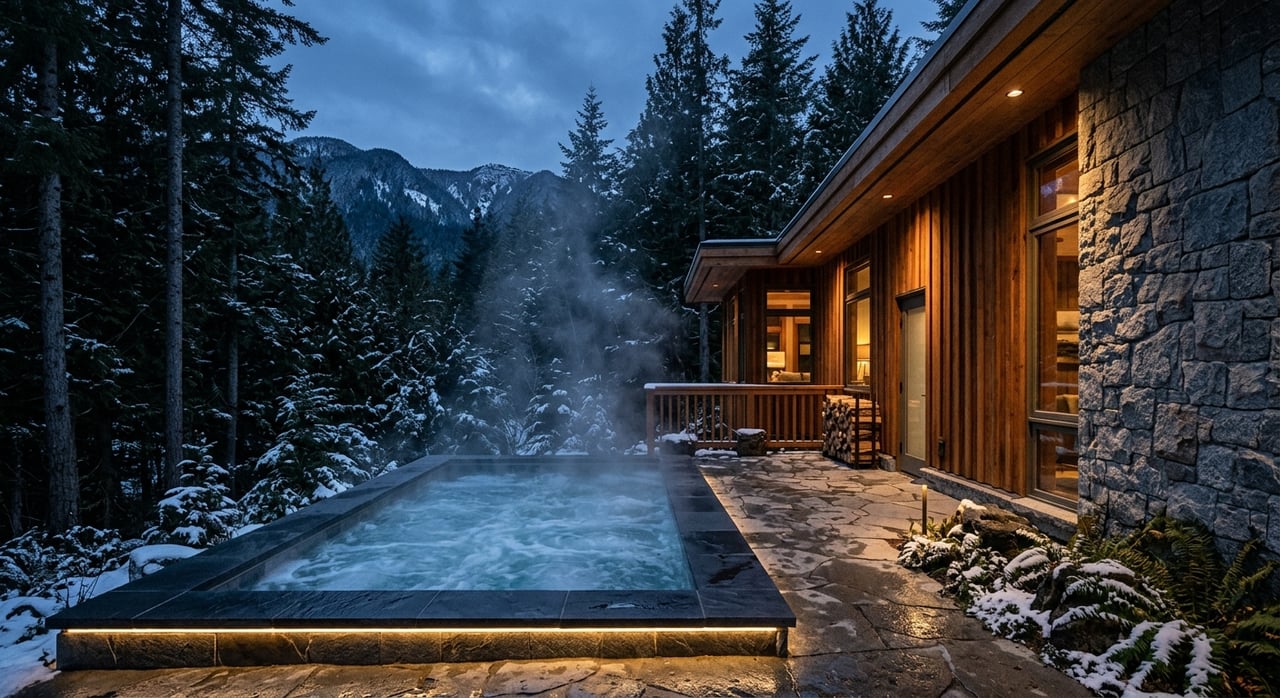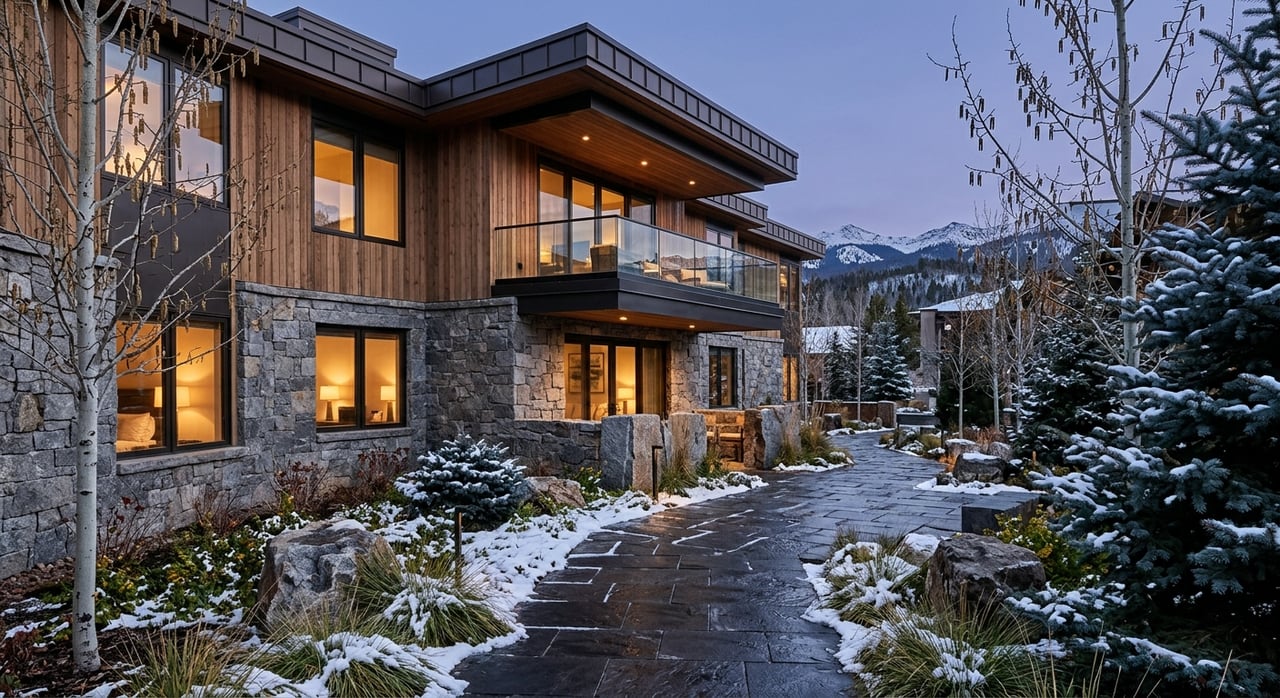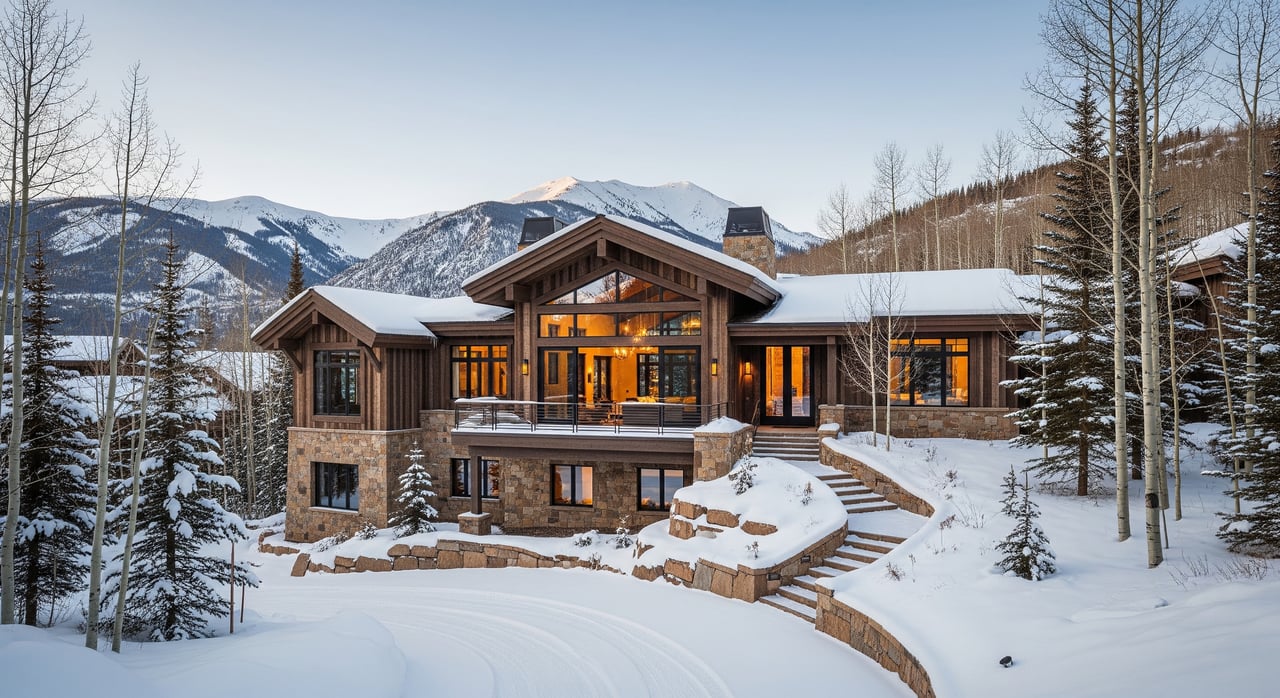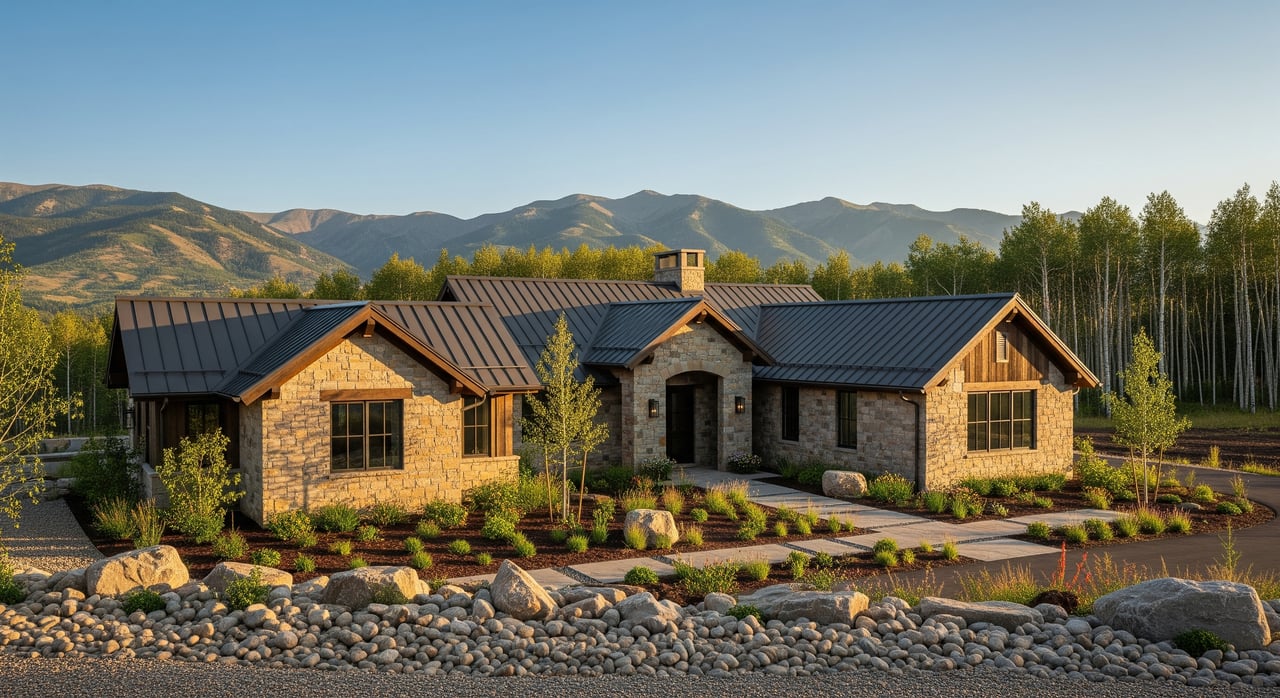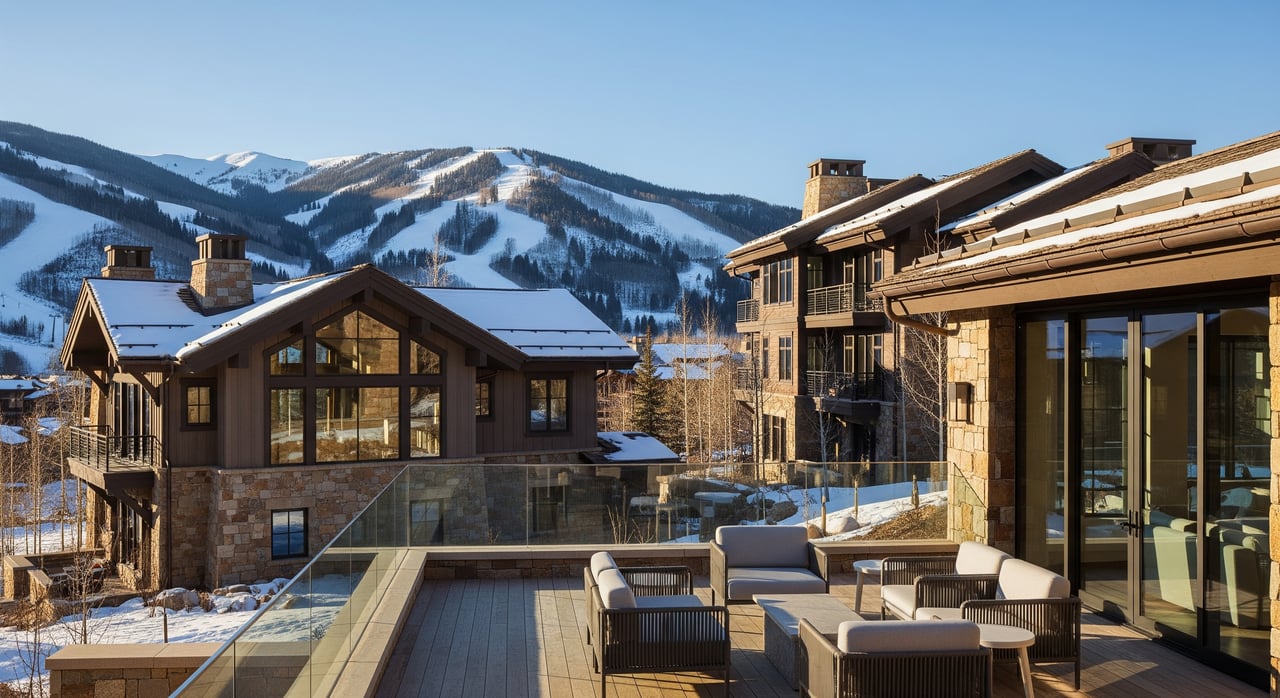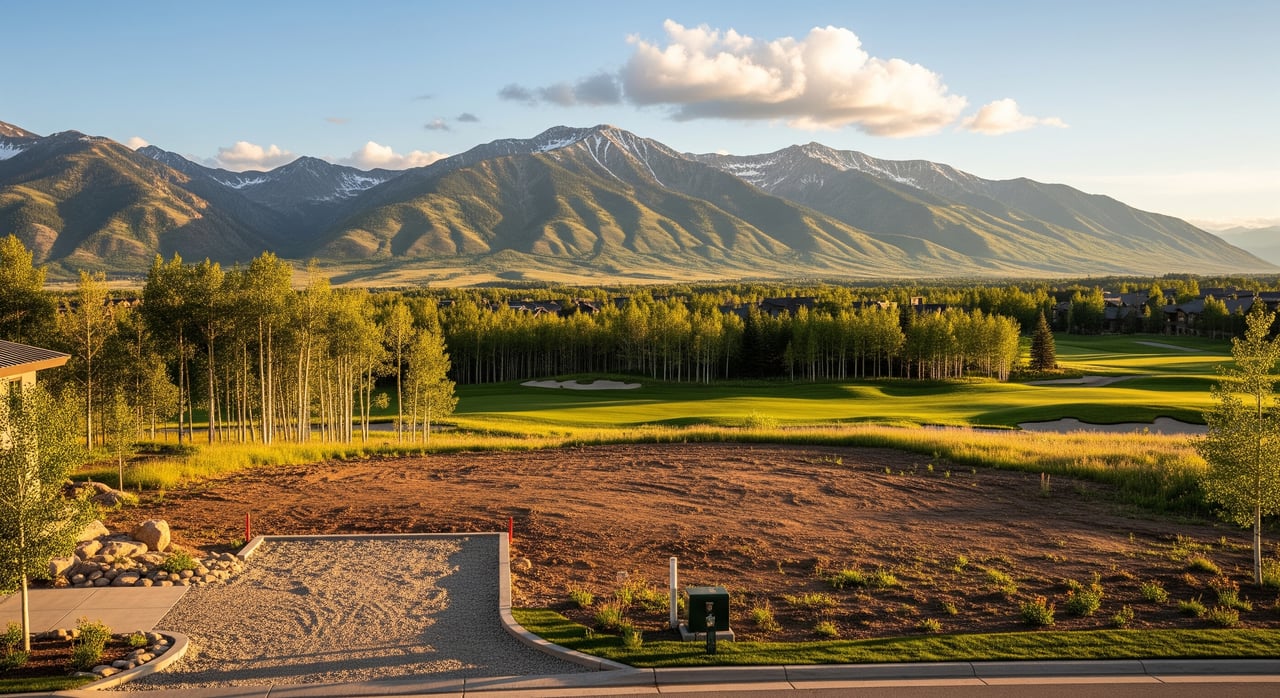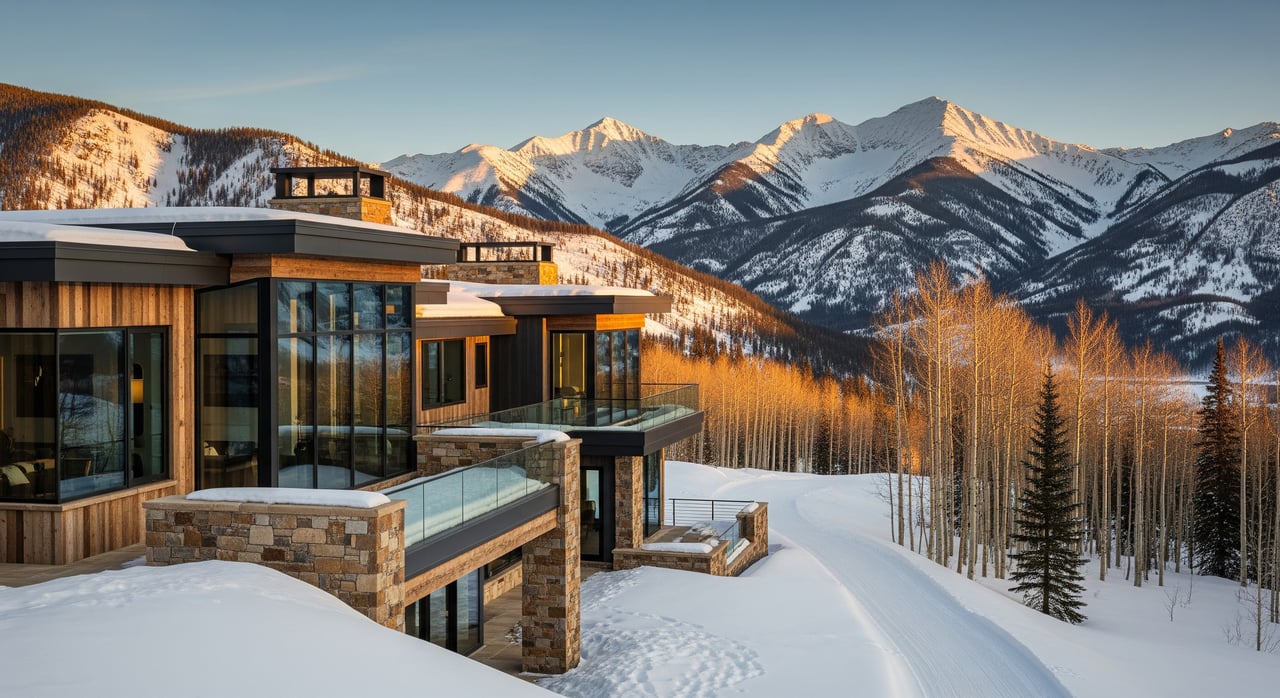
Ski-in/ski-out means different things in The Colony. With steep terrain, winding trails, and large wooded lots, two homes a few doors apart can offer very different ways onto the mountain. If you are weighing a legacy home or a rental-friendly retreat, choosing the right kind of access matters. In this guide, you will learn how ski access actually works here, the tradeoffs of each tier, and how to verify what you are buying. Let’s dive in.
What ski access means here
The Colony at White Pine Canyon is a low-density, luxury enclave wrapped by Park City Mountain Resort terrain. Access varies by lot orientation, topography, and recorded easements. Snow coverage and HOA rules can also affect how you reach the slopes in any given season.
To compare homes apples to apples, it helps to use clear definitions:
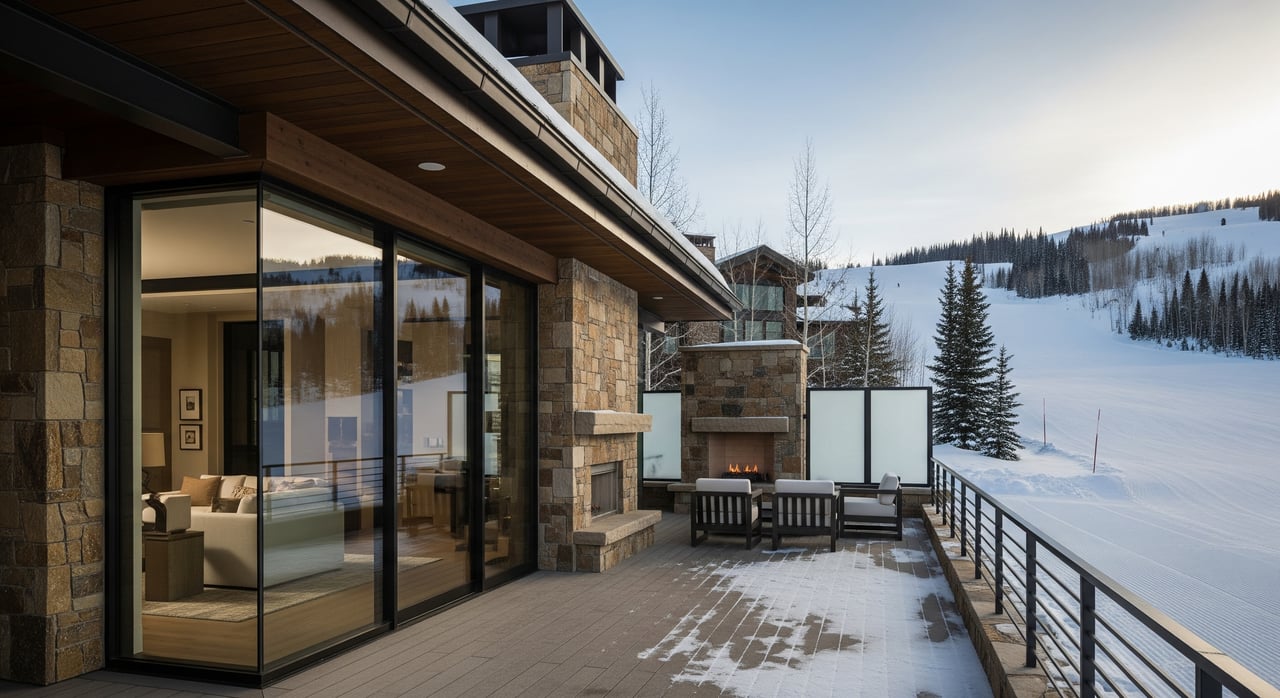
- Direct on-grade ski-in/ski-out: You can step from the home onto snow and glide onto a named trail or the resort network, then return directly to the property without a long walk or drive.
- Trail-adjacent: The home sits next to a groomed trail, connector, or easement that requires a short flat walk, a brief glide, or skis-on travel to reach the trailhead.
- Lift-proximity: No on-site trail connection. You walk, shuttle, or drive a short distance to a lift or base area along winter roads.
Access in The Colony is often shaped by recorded easements, private paths, and HOA policies. Always verify what is recorded versus what is informal.
Tier 1: Direct on-grade
What it is: True ski-in/ski-out from your door onto skiable snow or a groomed trail.
Pros
- Maximum convenience and time savings, especially for repeated short outings.
- Strong lifestyle image and a premium feature for resale and marketing.
- Easy midday returns, gear drop-offs, and child supervision.
- High guest appeal for vacation rentals if allowed.
Cons
- Highest acquisition cost and often higher property tax assessments.
- More exposure to skier traffic and noise near popular trails.
- Added maintenance around entries and access points, plus potential liability considerations.
- On steep lots, the “from door to trail” grade can be challenging for young children.
The Colony reality
- True on-grade sites are scarce and prized. Steep transitions can look skiable but feel technical in practice.
- Confirm whether “ski-in/ski-out” relies on a deeded easement, a private road segment, or an informal path. Documentation matters.
Tier 2: Trail-adjacent
What it is: Very close to a trail or private connector, often needing a short walk, a gentle ramp, or a quick glide to get going.
Pros
- High convenience without paying the full direct-access premium.
- Often quieter and more private than sitting directly on a major run.
- Easier to balance year-round landscaping with winter access.
Cons
- Less seamless for small children or guests carrying gear.
- That last short walk can feel longer at day’s end or in a storm.
- Some connectors depend on seasonal maintenance or HOA approvals.
The Colony reality
- Many lots fall into this category. Grade, distance, and maintenance are the key variables to test.
- Thoughtful site planning and landscaping can preserve privacy while keeping access simple.
Tier 3: Lift-proximity
What it is: No direct trail from the home. You reach the lift or base by a short walk, shuttle, or drive.
Pros
- Broader inventory and typically lower purchase prices than direct access homes.
- Practical, year-round usability with driveways and entries designed for winter conditions.
- More privacy and fewer passersby.
Cons
- Less convenient and more time planning for parking or shuttle timing.
- Greater reliance on road plowing, driveway maintenance, and weather windows.
- Lower perceived rental premium compared with on-grade access.
The Colony reality
- The community’s large lots and privacy focus mean many homes are lift-proximate.
- Access may involve a short drive to Park City Mountain base areas; plan around opening and closing rush periods.
Which tier fits you
Families with children
If you prioritize easy turnarounds for naps, snacks, and ski school, direct on-grade is usually the best fit. Trail-adjacent can work well if the connector is flat and simple. Lift-proximity can be fine when the shuttle or drive is truly short and predictable.
In The Colony, verify how gently you can reach beginner terrain and ski school meeting points. Interior features matter too. Look for generous mudrooms, safe walkways, and a simple boot-up routine.
Expert and adventure skiers
If you prize early tracks and advanced terrain, direct on-grade or trail-adjacent that links quickly to steeper aspects may serve you best. Lift-proximity can still work if it puts you on the mountain quickly. In The Colony, confirm which trails and aspects are reachable from a given lot and whether any HOA or resort rules limit off-piste travel. Always consider safety and consult professionals before relying on backcountry options.
Rental-minded owners
Guest convenience drives occupancy and rates. Direct on-grade often commands the highest premium. Trail-adjacent can compete with strong, honest marketing and clear access instructions. Lift-proximity can succeed when you provide simple logistics such as parking guidance or a reliable shuttle. In The Colony, confirm HOA and local rules for short-term rentals, expected winter service levels, and on-site gear storage.
Due diligence checklist
Property and legal
- Obtain recorded plats and deeded easements for trails, connectors, or rights-of-way. Confirm who maintains them.
- Review HOA CCRs for trail use, guest access, rental restrictions, parking, snow roads, exterior lighting, and grade modifications.
- Order a current survey and site plan showing building pads, finished grades, and the door-to-trail slope.
Seasonal and operational
- Identify the exact access route: groomed trail, private path, steep slope, or public trail. Note any seasonal closures or reroutes.
- Consider snow reliability by elevation, aspect, and tree cover near the home.
- Confirm driveway and road service levels, plowing frequency, and who pays.
Safety and insurance
- Evaluate slope steepness at entries and any nearby hazards. For advanced terrain access, discuss avalanche considerations with qualified experts.
- Ask insurers about premiums and coverage for properties with direct or private access paths.
Family and guest logistics
- Check for a functional gear room, boot dryers, tuning areas, and garage access that reduces boot tracking.
- Understand parking capacity and guest staging, plus any limits on street parking in winter.
- For families, map the route to beginner facilities and ski school meeting points.
Documentation and contacts
- Request from the seller or listing agent: plats, easements, CCRs, HOA minutes about access, notes on past snow events, and any relevant insurance claims.
- Speak with the HOA manager, an experienced local listing agent, resort staff for trail updates, and civil or geotechnical consultants for grade analysis as needed. Rental plans? Consult a local property manager.
Market and operations
Pricing and resale
- Homes with true on-site access often command a premium due to convenience and perceived luxury. In The Colony, scarcity of true on-grade lots can amplify that effect. Ask for a comparative market analysis that separates sales by access tier.
Maintenance and costs
- Budget for higher winter maintenance when a home claims direct or adjacent access. This can include snow clearing, de-icing, and lighting around access points.
- Confirm what your HOA fees cover and what is billed separately for winter services.
Regulations and rentals
- Short-term rental rules vary across Summit County and Park City. Confirm licensing, taxes, occupancy, parking requirements, and HOA permissions before underwriting income.
- If you market as “ski-in/ski-out,” be sure your documents and photos accurately support the claim.
Guest expectations
- High-end renters expect smooth logistics. Provide clear arrival instructions, simple access steps, and credible photos that show distances and slopes.
How to choose your tier
Start with your daily routine. How many days will you and your guests ski? Do you value first tracks, family convenience, or price efficiency? Then test the route in person. Walk it in boots, note the grade, and time the return. Finally, confirm the paper trail. Recorded easements, CCRs, and a current survey will tell you what you truly own and what you can rely on.
If you want a clear read on a specific homesite’s access, storage, and family or rental fit, a local, document-first approach is your best ally. For a private, tailored consultation about The Colony, reach out to Tricia Cohen.
FAQs
What qualifies as ski-in/ski-out in The Colony?
- True ski-in/ski-out means stepping from the home onto snow and directly connecting to the resort trail network, with a similar direct return, supported by recorded access.
How do I verify a home’s ski access claim?
- Ask for recorded plats and easements, review HOA CCRs, order a current survey, and speak with the HOA and resort contacts about routes, maintenance, and seasonal closures.
Is on-grade access worth the premium for families?
- Often yes, since it simplifies short outings, naps, and gear drop-offs, but confirm the actual grade from the door to the trail to ensure it is child-friendly.
Do direct-access homes resell for more in The Colony?
- They commonly command a premium due to scarcity and convenience, but request a local CMA comparing recent sales across access tiers before deciding.
What winter costs come with direct access homes?
- Expect higher budgets for snow clearing, de-icing, lighting, and safe entry paths, plus potential insurance considerations for on-site access.
Are short-term rentals allowed for ski-in/ski-out homes?
- It depends on HOA rules and local regulations; confirm licensing, occupancy limits, parking requirements, and HOA permissions before relying on rental income.
How does terrain and exposure affect snow at the house?
- Elevation, aspect, and tree cover influence accumulation and retention, which can change how and when you can ski from the property.
What safety issues should I consider on steep lots?
- Check entry and exit slopes for hazards, confirm maintenance responsibilities, and consult experts on avalanche and off-piste safety if advanced terrain is nearby.