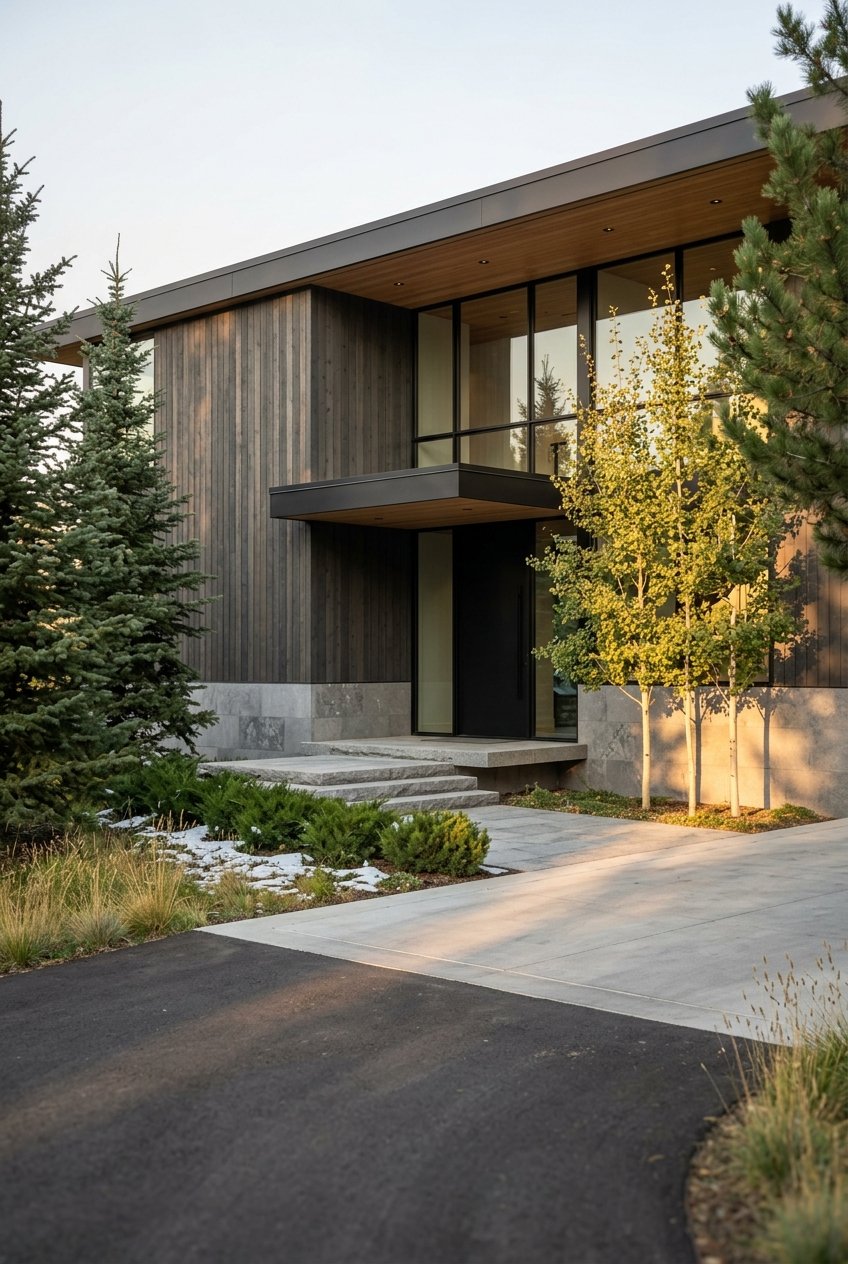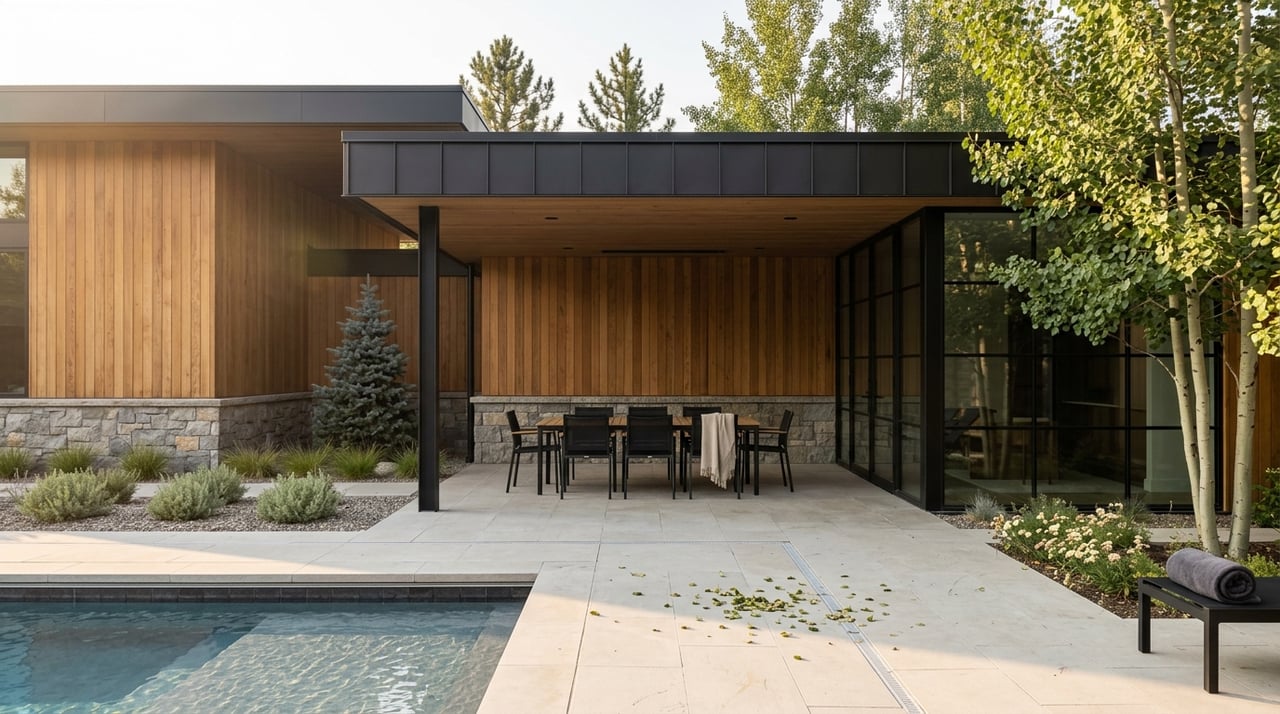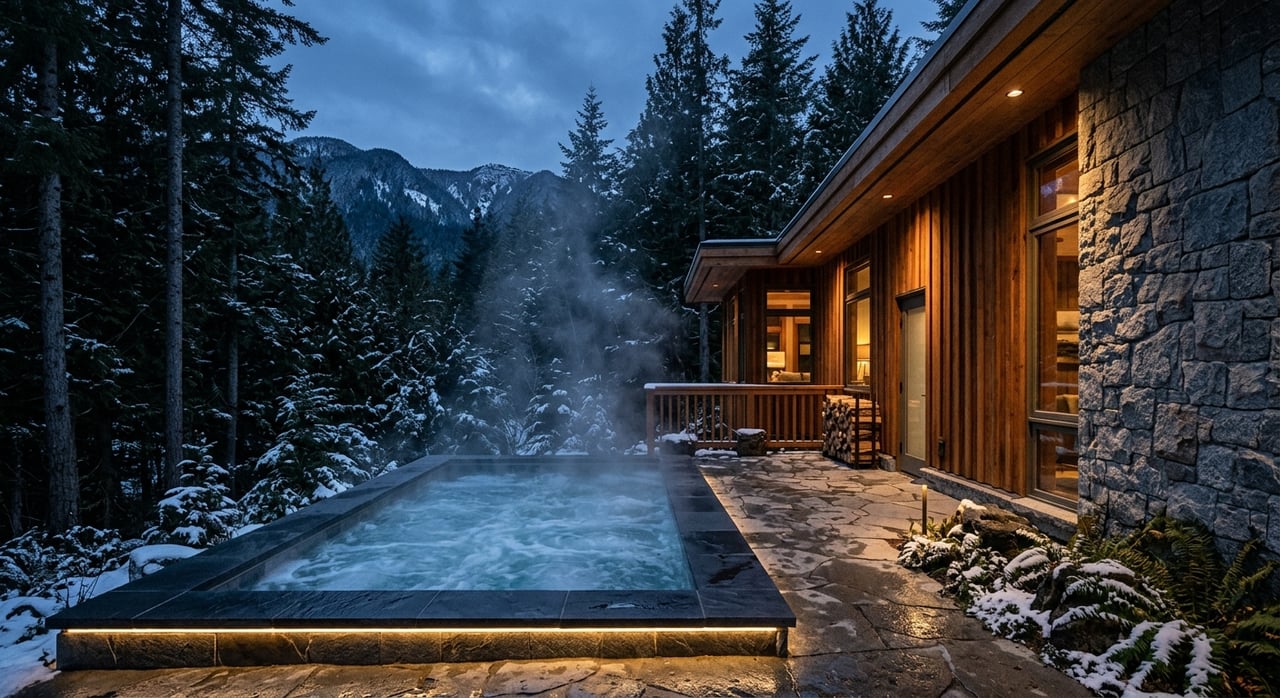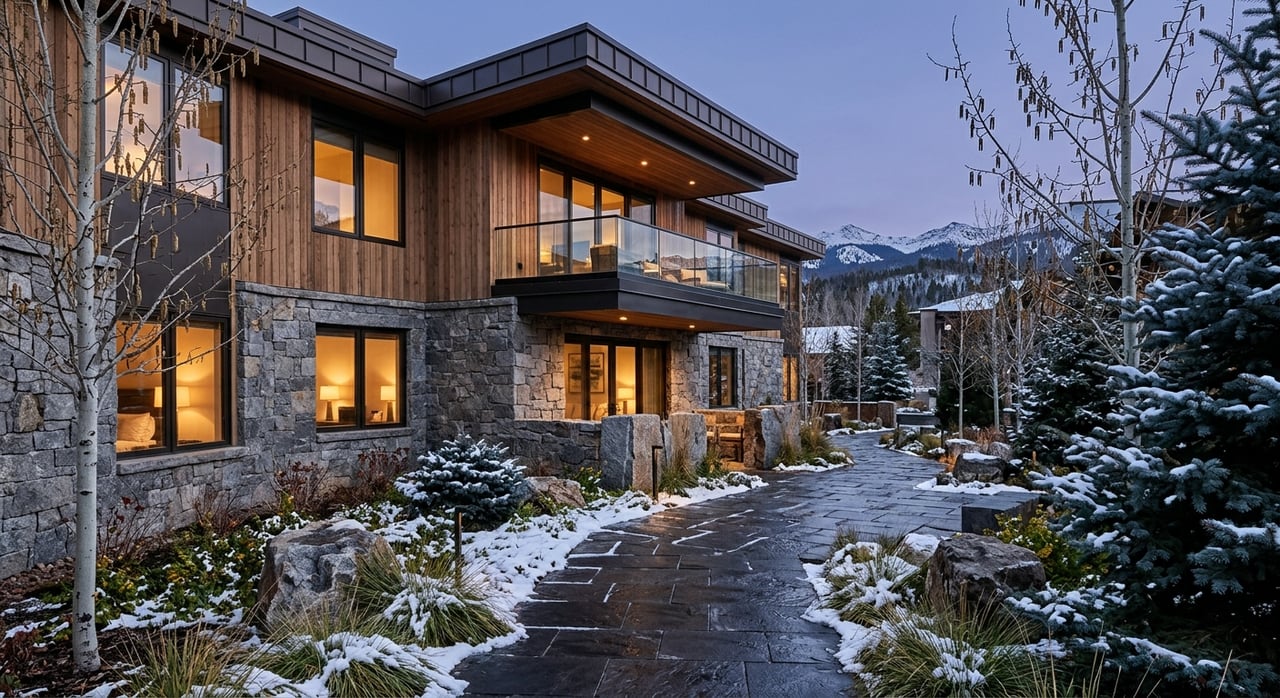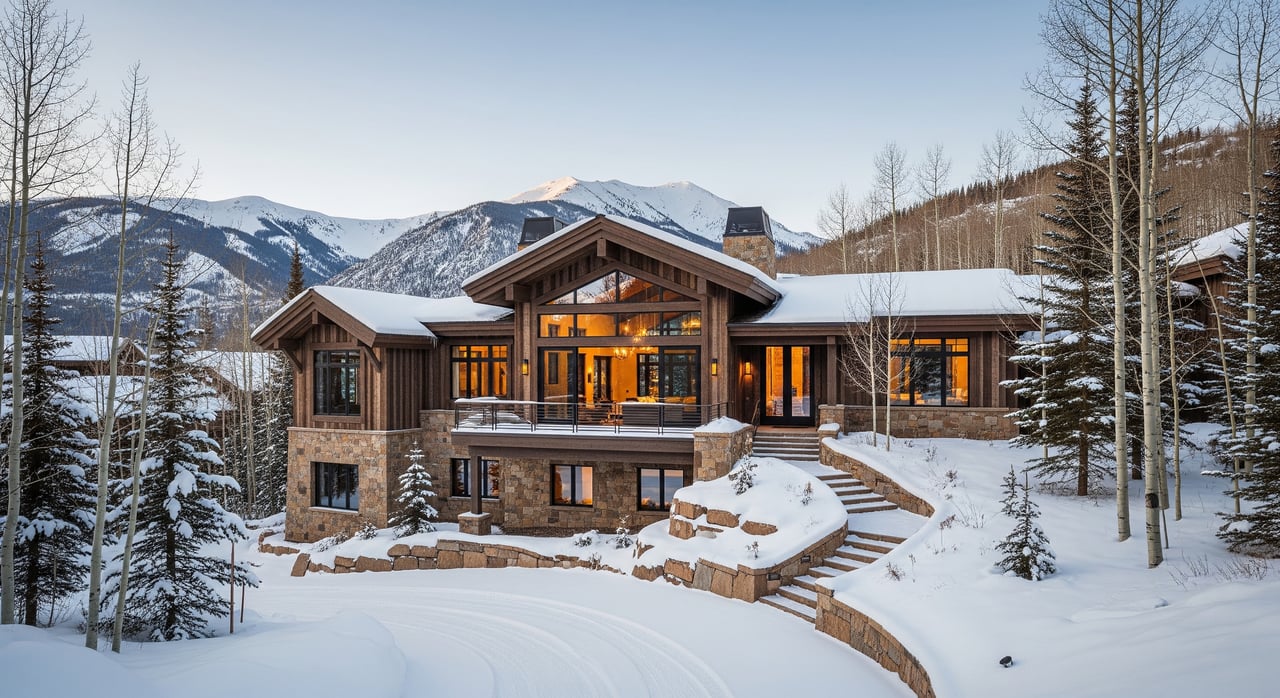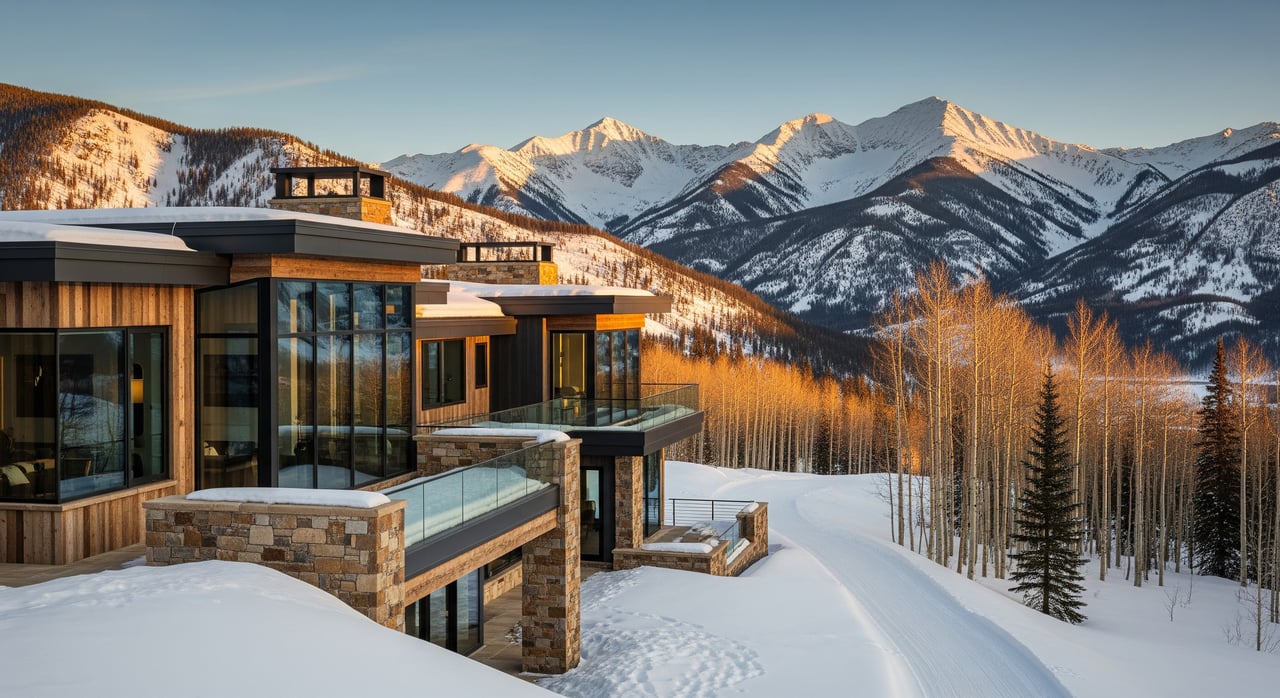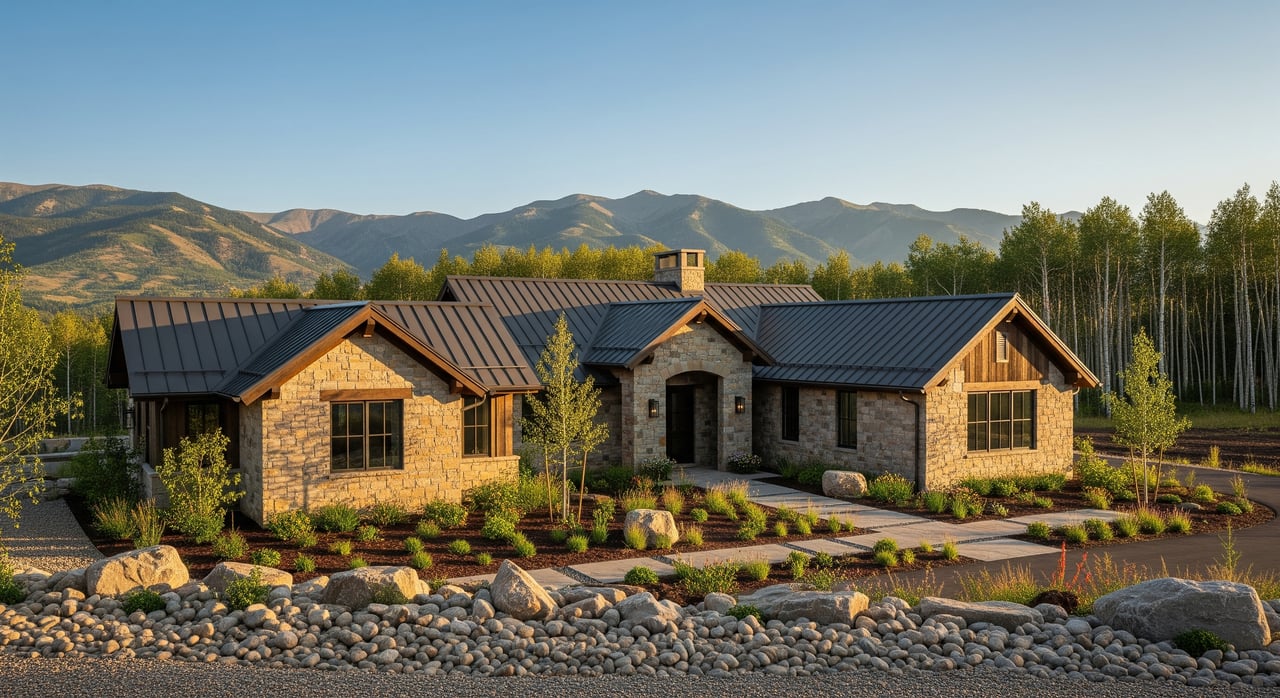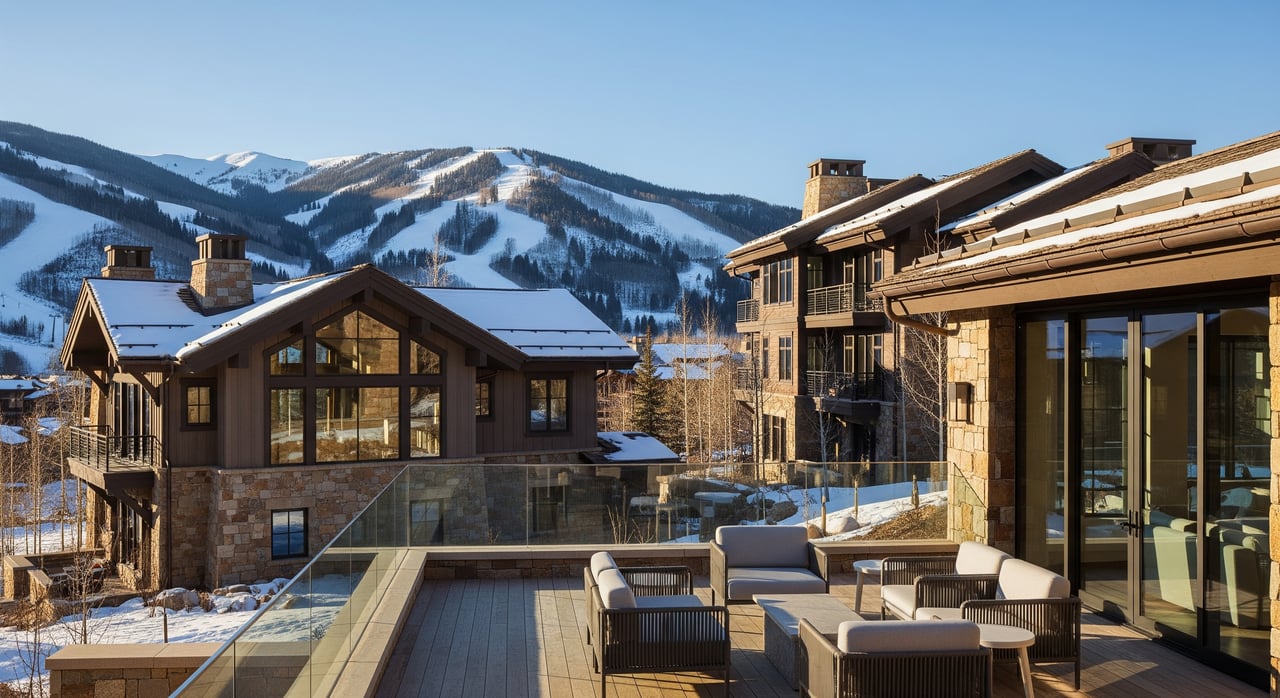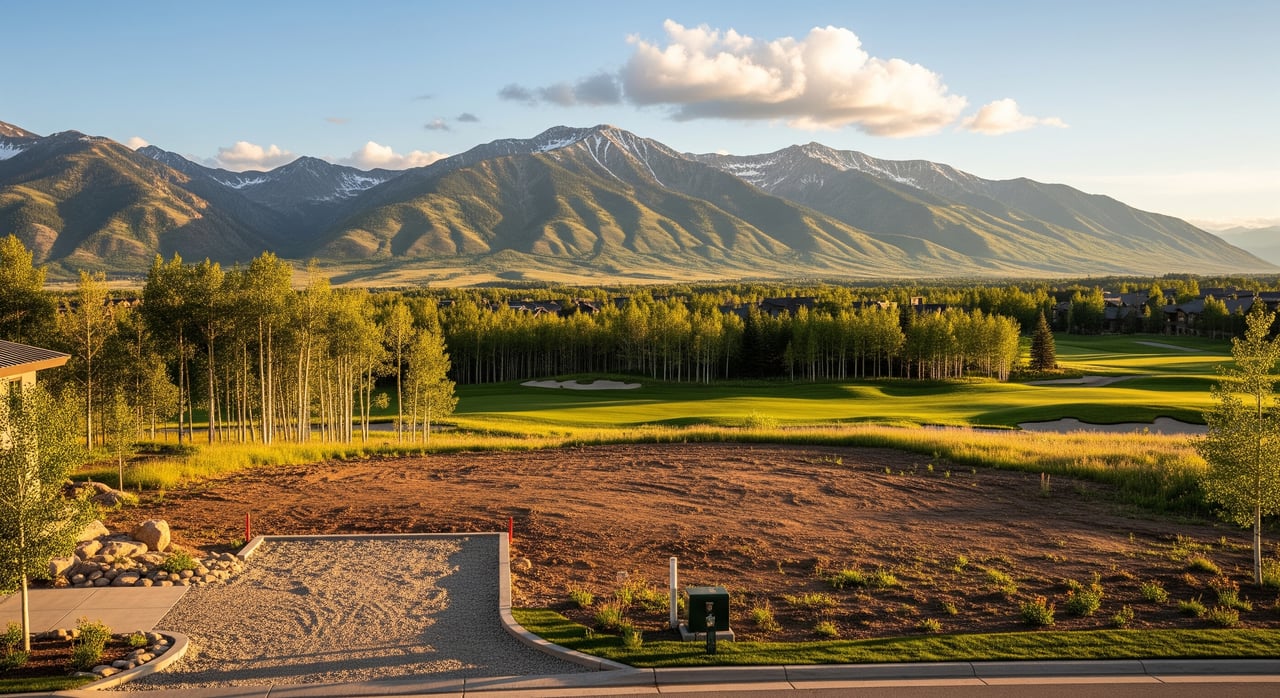
Building your custom home in Tuhaye starts with a pivotal choice: pay a premium for a build-ready lot or buy raw land and shape everything from scratch. In a mountain resort setting with short construction seasons and strict design standards, that decision has real impact on your timeline and budget. In this guide, you’ll learn what build-ready and raw lots mean in Tuhaye, how timelines compare, which costs and risks matter most, and the exact due diligence to perform before you write an offer. Let’s dive in.
Tuhaye realities: mountain, climate, and process
Tuhaye sits in the Wasatch Back with sloped terrain, higher elevation, and winter conditions that influence site prep and foundation design. Snow loads, freeze–thaw cycles, and seasonal access can compress exterior work into a shorter window. These conditions make early planning around grading, erosion control, and utilities essential.
Approvals run on two parallel tracks. You will work with Wasatch County for permits and inspections, and with the Tuhaye Property Owners Association and its Architectural Review Committee for community design standards. Coordinating both early helps you avoid conflicting requirements and resubmittals.
Build-ready vs. raw land: what it means here
Build-ready defined
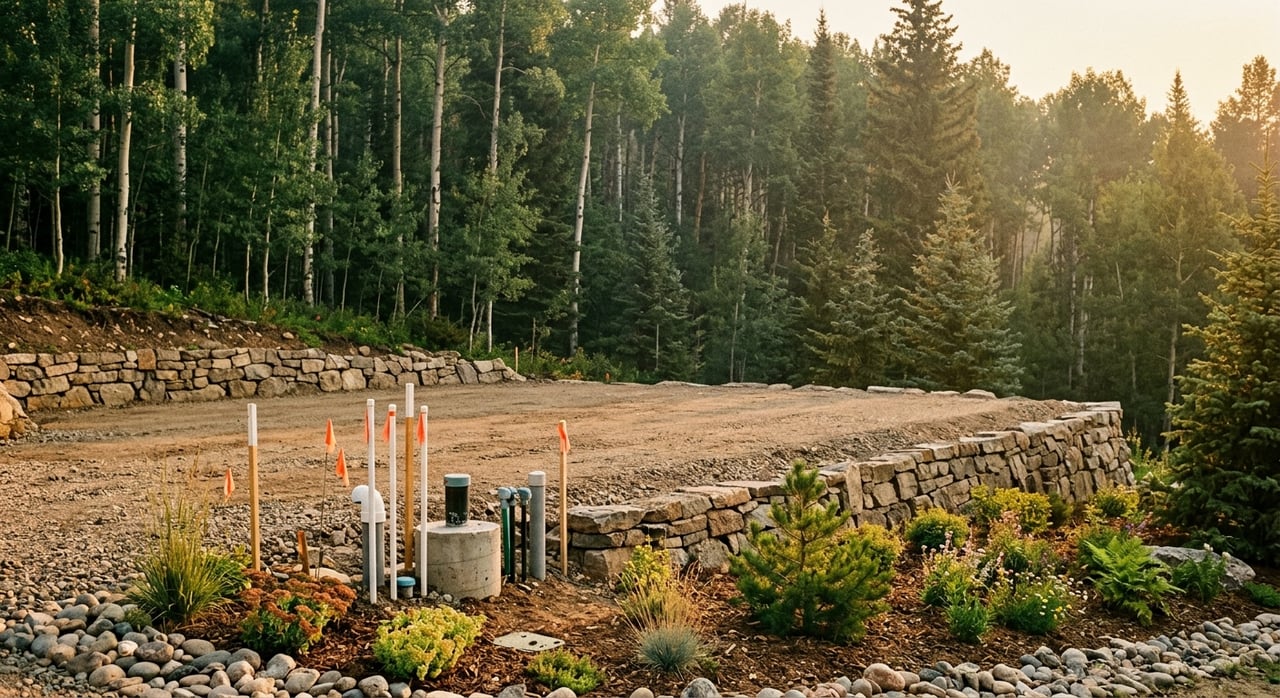
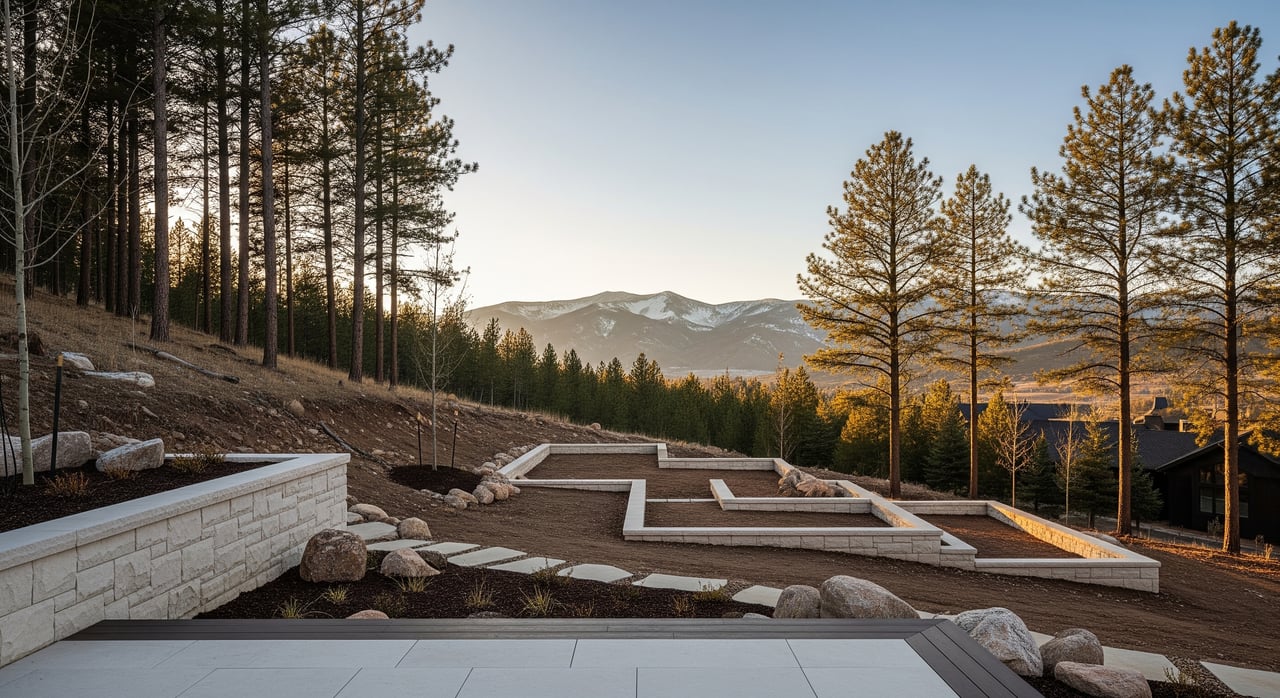
A build-ready lot in Tuhaye typically has completed ARC approvals for the home plans and prepared civil work. You may see grading and erosion controls in place, a finished building pad or driveway, mapped building envelopes and easements, and utility stub-ins at the lot line. This setup lets you move faster to county building permits and mobilization, with less upfront unknown risk.
Raw land defined
Raw land is usually unimproved. Expect no graded pad, no utility stub-ins, and no ARC approvals for your specific house plans. Steep slopes, rock outcrops, drainage, or tree protections can add time and cost. Some shared improvements or easements may be incomplete or subject to future assessments.
Many lots sit between
Some lots have ARC approvals but need utility work. Others have utilities in place but no approvals. Clarify the exact status of any lot so you understand what remains before you can pull permits and break ground.
Timeline: what to expect in Tuhaye
If the lot is build-ready
- Final builder selection and contract: 2 to 8 weeks.
- County building permit review: 4 to 12 weeks, depending on submittal completeness.
- Mobilization and foundation: 2 to 6 weeks.
- Full custom build: 9 to 18 months.
- Typical total from purchase to occupancy: about 12 to 24 months, sometimes less for smaller homes.
If the lot is raw land
- Preliminary design and ARC pre-application: 4 to 12 weeks.
- Full ARC review with potential revisions: 4 to 24+ weeks.
- Civil engineering, grading, utilities design: 4 to 16 weeks.
- Utility permitting and stub-ins: 4 to 12 weeks or longer if extensions are needed.
- County permits after final design: 4 to 12+ weeks.
- Site prep and foundation: 2 to 8 weeks.
- Full custom build: 9 to 18 months.
- Typical total from purchase to occupancy: about 18 to 36+ months.
Common delay drivers
Requests for ARC redesign, new utility extensions, winter weather, material or labor constraints, and geotechnical surprises like hard rock or poor soils can slow progress. Early investigations and complete submittals are the best hedge.
Cost drivers and carrying costs
Upfront premium
Build-ready lots usually cost more at acquisition because they reduce time and risk. The premium varies by lot features and market conditions.
Site development
- Raw land: grading, rock excavation or blasting, retaining walls, tree mitigation, drainage systems, erosion control, and driveway construction can be significant.
- Build-ready: some or most site work is done, so remaining costs often focus on landscaping and final utility tie-ins.
Utilities and permits
Expect connection fees for water, sewer, electric, gas, and telecom, plus applicable impact fees and building or grading permits. Confirm exact amounts with Wasatch County, the Tuhaye association, and local utility providers.
Carrying costs and financing
Property taxes, HOA or POA dues, possible special assessments, lot loan interest, insurance, and basic utility charges add up over multi-season timelines. Lot loans often carry higher rates and interest-only payments, and construction financing may depend on ARC approvals and proof of utilities.
Insurance and taxes
Builder risk coverage is typical during construction, and insurance for unimproved land can be higher. Work with your tax advisor on basis, capital improvements, and the timing of carrying costs.
Risks with raw land in a mountain community
- Unknown geotechnical conditions may require specialized foundations or blasting.
- Drainage and erosion control on sloped sites can be complex and costly.
- Tree and environmental protections may limit buildable area.
- Easements or shared improvements can lead to unexpected obligations.
- Seasonal closures can pause grading and exterior finishes, stretching the schedule and carrying costs.
ARC and county approvals: how to stay ahead
What to confirm before you buy
- Current ARC approval status: concept, preliminary, or final, plus any conditions.
- Copies of approved plans, site plan, surveys, and building envelope maps.
- Design standards for materials, color palettes, roof pitch, height limits, impervious surfaces, garage orientation, and landscaping.
- Site protection requirements during construction, like tree and erosion controls.
- Timing, fees, and process for plan modifications if you want changes.
- Any outstanding or anticipated special assessments for infrastructure.
Common ARC delays to avoid
Incomplete submittals, mid-process changes, and conflicts between county code and ARC standards are frequent culprits. Align your architect, engineer, builder, ARC, and county reviewers early to reduce review rounds.
Tuhaye Club membership: why timing matters
Membership can influence access, costs, and even site logistics. Determine whether membership is required or optional, whether it transfers with the lot, and when initiation fees are due. Ask about any construction-stage rules affecting contractor access, staging, and temporary parking, and whether preferred builders or specific certifications are expected.
Confirm if membership availability is limited or waitlisted and how that might align with your construction start. If club design standards or road access affect lot orientation, address these during site planning.
Due diligence checklist for Tuhaye lots
- Legal and title
- Current title commitment with all easements, covenants, and restrictions.
- Confirm utility easements and any municipal encroachments.
- Community documents
- CC&Rs, ARC guidelines, plats with building envelopes and setbacks, and any relevant meeting minutes or policies.
- Ask if any developer obligations remain for common infrastructure.
- Site and technical
- Topographic survey, geotechnical report for your intended footprint, and tree inventory.
- Drainage and stormwater requirements and any existing as-builts if marketed as build-ready.
- Utilities and services
- Confirm available utilities and whether stub-ins exist at the lot line.
- Verify water and sewer capacity and internet options.
- Permitting and approvals
- Copies of any issued county permits and conditions.
- Process and timing for remaining permits.
- Costs and financing
- Builder estimate including rock removal, retaining walls, and landscaping.
- Lot and construction loan requirements, including ARC approvals and utility status.
- HOA or POA dues, and any pending or projected assessments.
- Environmental and regulatory
- FEMA flood maps and any wetlands or conservation overlays.
- Practical logistics
- Construction staging areas, access routes, snow removal responsibilities, and contractor parking limits.
Action plan: shortest path to groundbreaking
- Before offering: review CC&Rs, ARC documents, and title commitments for the lot.
- If raw land: order a topo survey and geotechnical report as early contingencies.
- Engage an experienced Tuhaye or Wasatch Back builder early to validate costs and schedule.
- Confirm utility stub-ins at the lot line and request any available as-builts from the association.
- Clarify club membership terms, timing of initiation fees, and plan for carrying costs through multiple seasons.
When a build-ready lot is worth the premium
Choose build-ready if you value a faster start, predictable timelines, and fewer unknowns. It can be the right fit if you are out of state, want to minimize redesign, or prefer clearer financing approval milestones. Raw land can be compelling if you want maximum design flexibility and are comfortable managing longer schedules and sitework risks.
Work with a local specialist
You deserve clear answers, a realistic schedule, and a lot that supports your vision. If you want help verifying ARC status, utilities, membership details, and site conditions before you make an offer, connect with a local advisor who does this every day. For a private, design-minded consultation about Tuhaye lots and custom builds, reach out to Tricia Cohen.
FAQs
What does “build-ready” mean for a Tuhaye lot?
- It typically means ARC approvals are in place for your plans, grading and access may be completed, building envelopes are mapped, and utilities are stubbed to the lot line so you can move faster to permits and mobilization.
How long does it take to build on a build-ready lot in Tuhaye?
- Many projects move from purchase to occupancy in about 12 to 24 months, with smaller or expedited builds sometimes finishing sooner, depending on design, weather, and approvals.
How long can a raw land build take in Tuhaye?
- With ARC review, engineering, utility work, permits, site prep, and construction, 18 to 36+ months is common, and timelines can stretch if utilities need extensions or geotechnical issues arise.
Who approves my home plans and permits in Tuhaye?
- You will coordinate with Tuhaye’s ARC for design standards and Wasatch County for building permits and inspections. Managing both tracks early can reduce conflicts and delays.
What are the biggest cost wildcards with raw land in the Wasatch Back?
- Rock excavation or blasting, retaining walls, drainage and erosion controls, utility extensions, and seasonal delays that increase carrying costs are the most common variables.
How does club membership timing affect my project?
- Membership rules can influence access, costs, builder expectations, and construction logistics. Confirm whether membership is required, fee timing, transferability, and any construction-stage rules before you buy.
When should I order geotechnical and survey work for a Tuhaye lot?
- For raw land, order topo and geotechnical reports immediately after contract acceptance as contingencies. Even with build-ready lots, verifying site conditions for your exact footprint is wise.