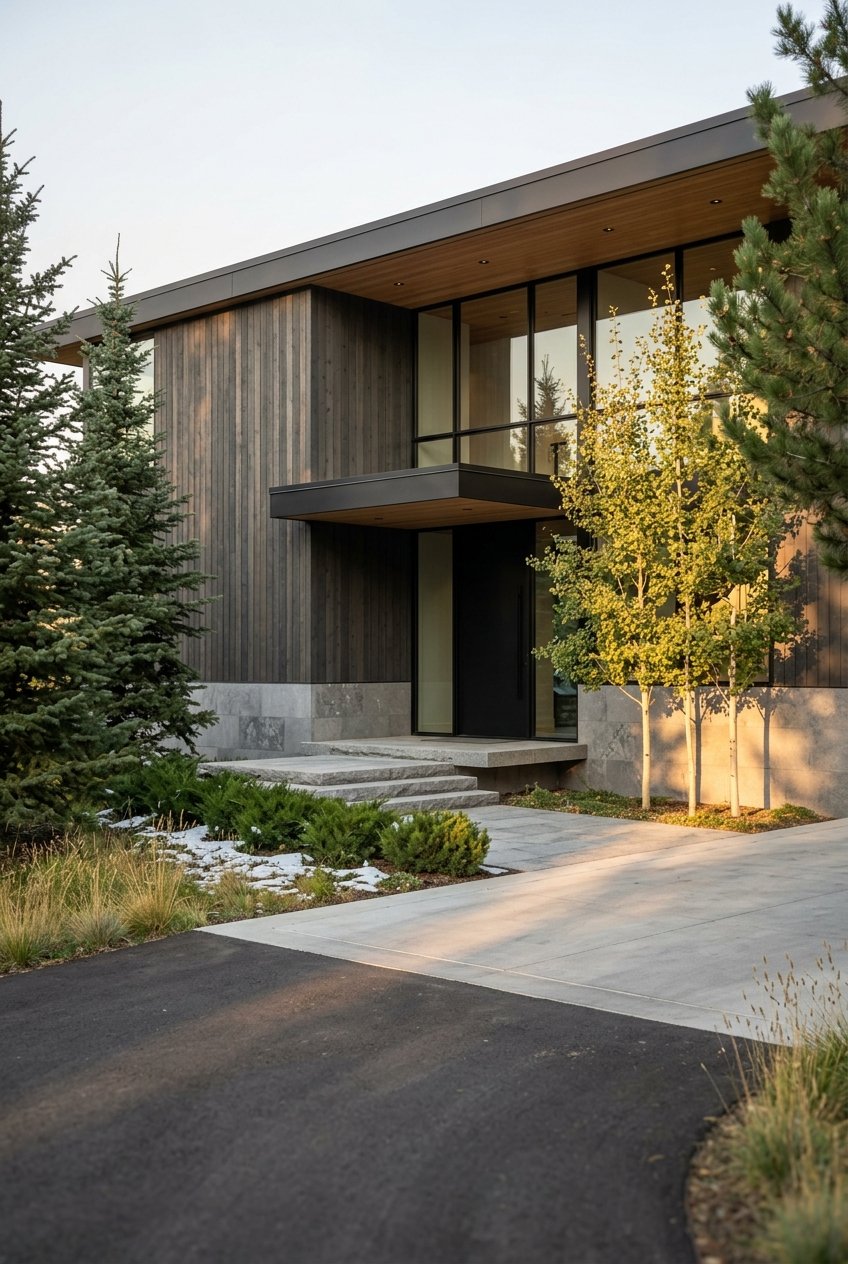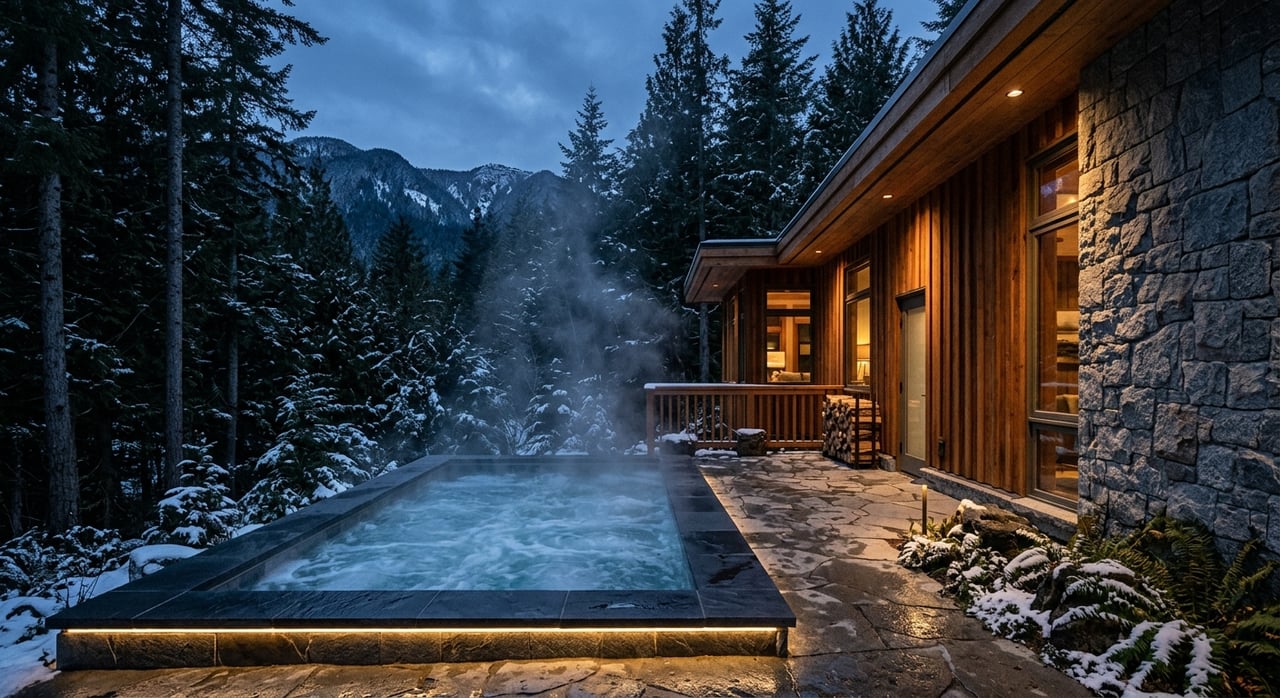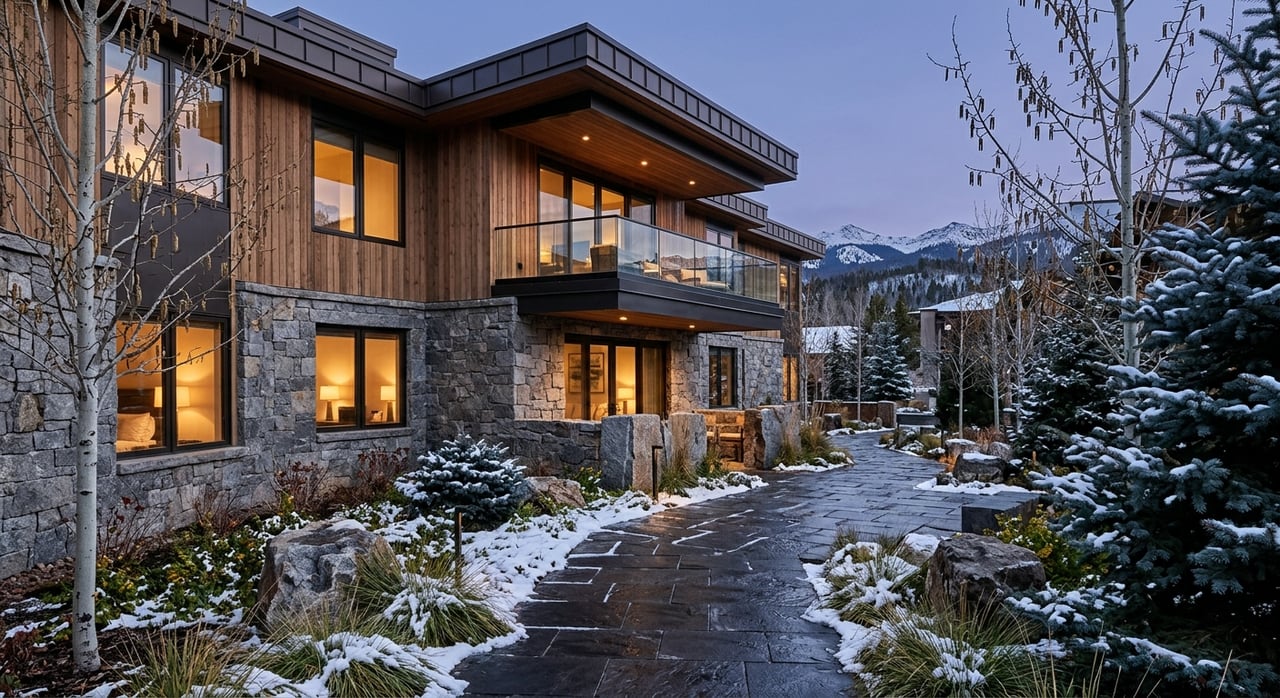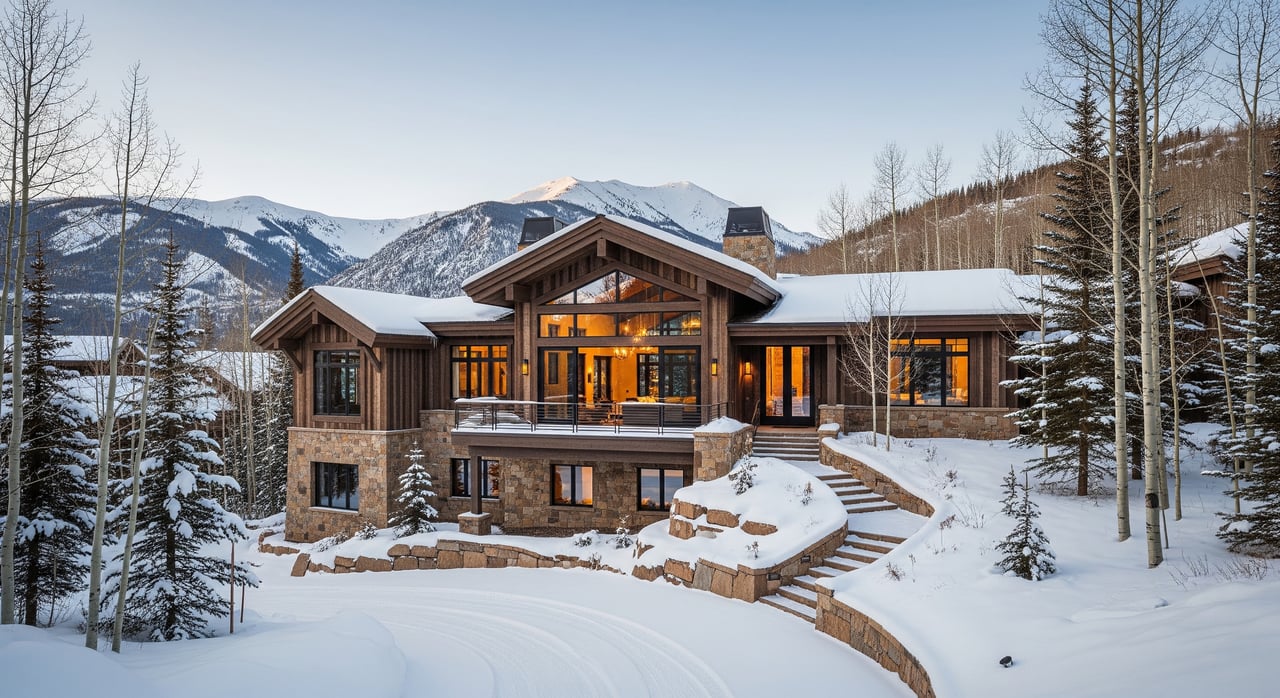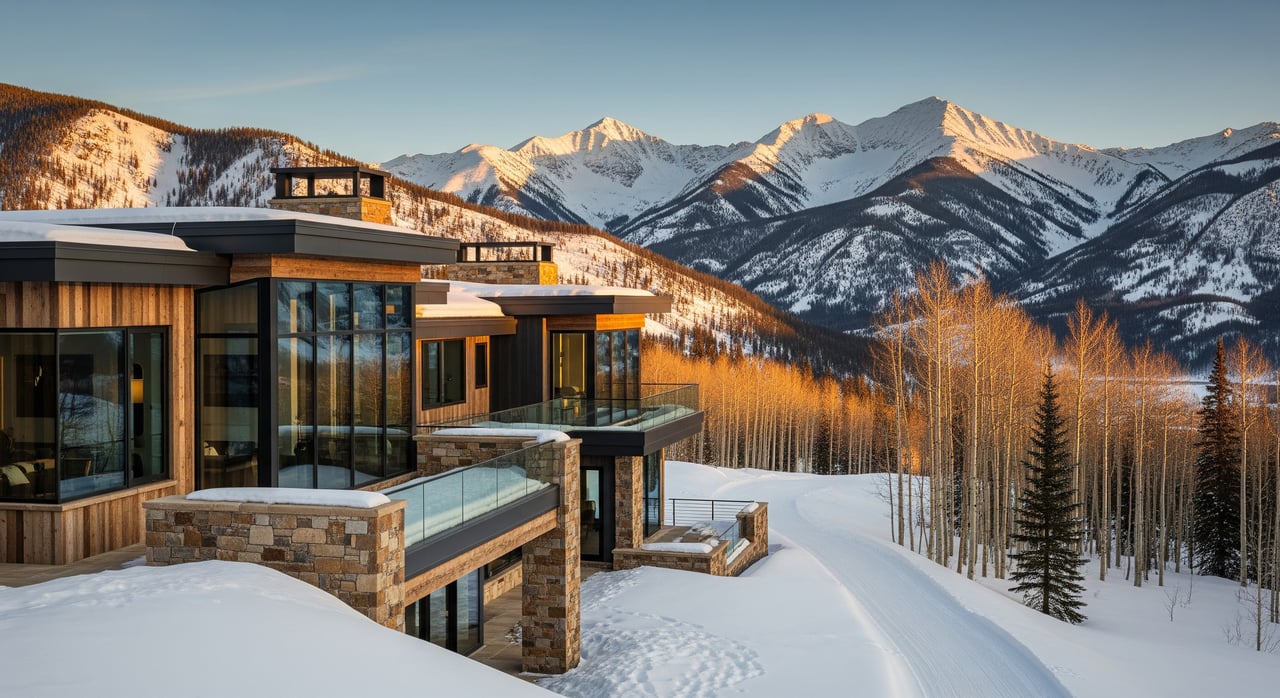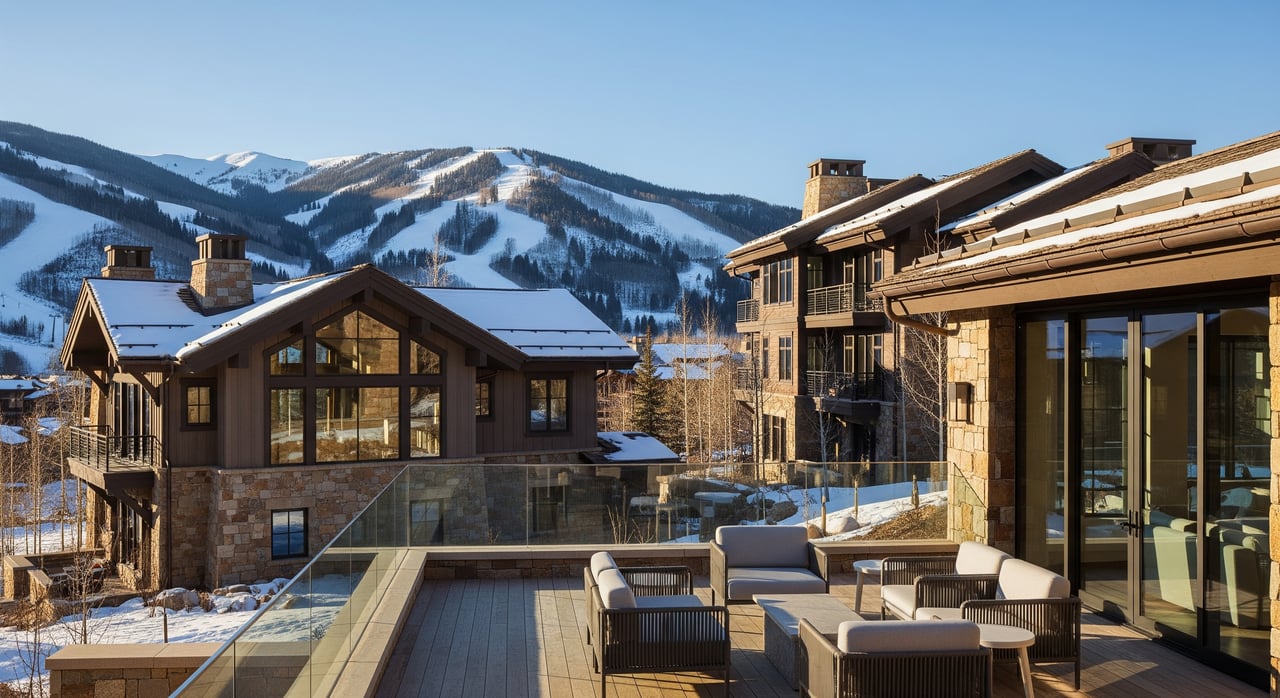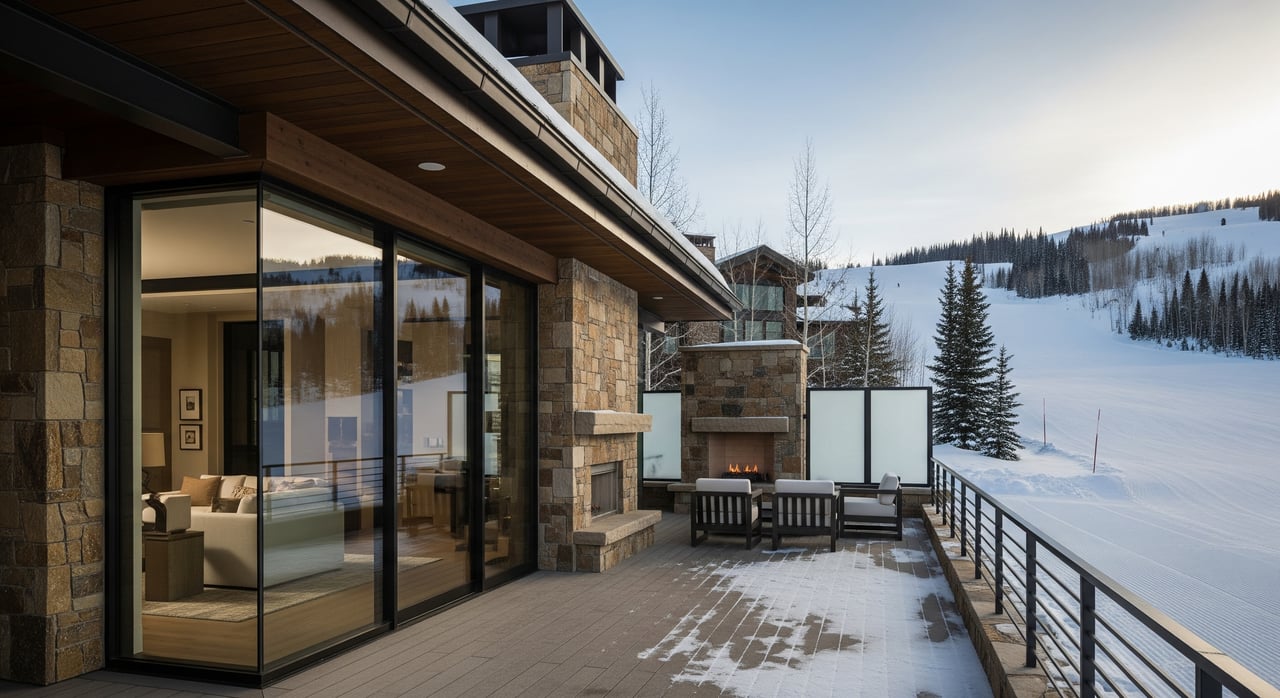
You see “ski-in/ski-out” in nearly every Park City listing, but what does it actually mean in The Colony? If you are eyeing a second home or legacy estate, you want a daily routine that fits your vision, not a surprise after closing. In this guide, you will learn the real access types, how they show up in The Colony, and the exact steps to verify a property’s ski access before you write an offer. Let’s dive in.
What ski-in/ski-out means
“Ski-in/ski-out” is a marketing phrase. Your daily experience depends on the physical route and the legal right to use it. Here are the practical categories you should know:
True on-grade (door-to-trail): You step out from a ski room or back door, click in on packed snow, and glide downhill in under 30 seconds. No stairs, no road crossings, and no elevation gain before you ski. These homes often rely on recorded skiway easements or private access paths and carry a convenience premium.
Trail-adjacent: The home borders or sits very close to a marked trail. Expect a short boot walk of 1 to 3 minutes, possibly with stairs or a sidewalk. Skiing out is often easy, while returning may involve a short walk, skinning, or using a nearby lift.
Lift-proximate: You can walk 3 to 10 minutes to a lift or gondola. Surfaces might include paved paths, stairs, or mild elevation changes. Access is good, but the daily feel depends on how manageable the walk is in ski boots.
Shuttle-dependent or valet: Access relies on a private community shuttle, resort bus, or a valet to get to lifts. Many second-home owners are fine with this, but it does require timing and can vary with weather.
Private ski-ways or private lifts (rare): Exclusive routes or lifts owned or maintained by a community or property. These are highly desirable and come with strict rules and maintenance responsibilities.
Marketing vs legal rights: A property can be near resort terrain, but your legal access depends on recorded easements, HOA rules, and resort agreements. Always confirm the legal side, not just the description.
The Colony realities
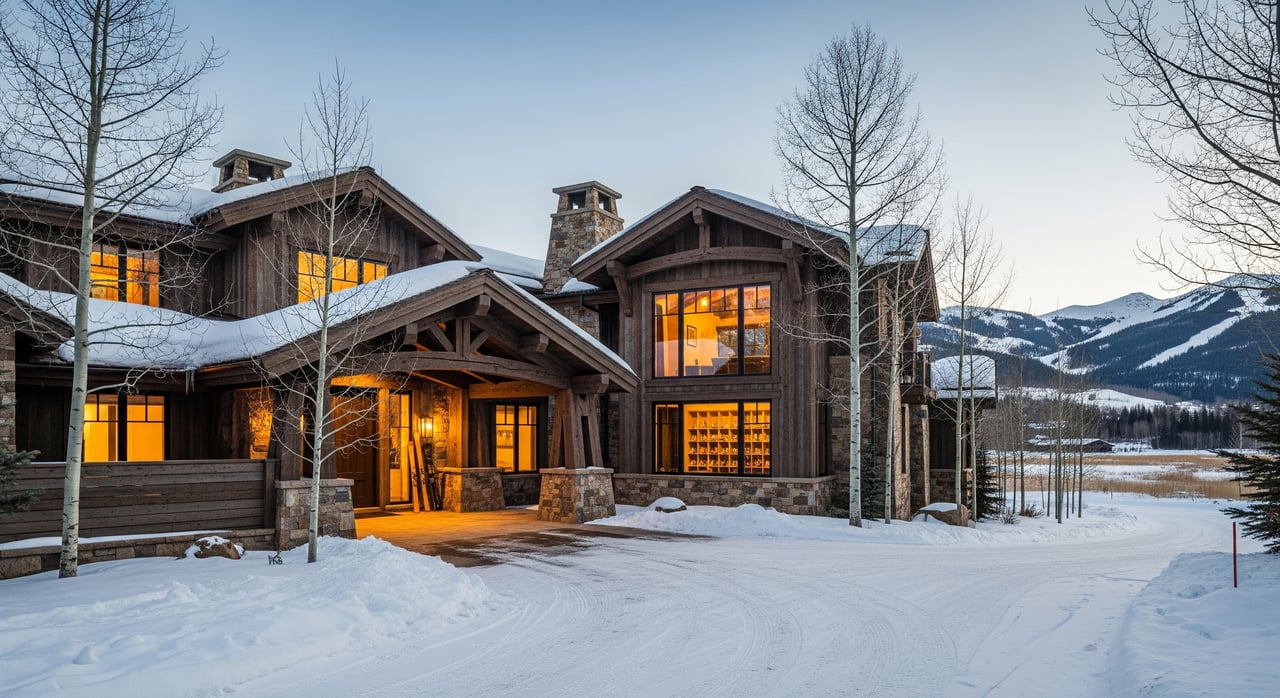
The Colony is a luxury, mountain-adjacent neighborhood tied to the Canyons side of Park City Mountain Resort. Many properties advertise ski access, yet the type and quality of that access vary lot by lot. Two homes on the same street can offer very different daily experiences.
Common surprises include vertical separation and stairs that turn short distances into tough walks in ski boots. A home may border resort terrain without a recorded connection, and resort operations can adjust snow fencing, grooming, or route markings from season to season. Seasonal closures and lift schedules can change access patterns, especially early and late season. HOA rules can also affect routes, guest use, and shuttle hours.
Higher-end homes that market ski access often include ski rooms or lockers, heated boot storage, concierge or valet, private shuttles, and managed snow removal along key paths. These are valuable conveniences, but they do not replace recorded access rights or a safe, consistent route.
How to verify access
Before you buy, translate marketing into reality. Use a mix of on-site testing, recorded documents, and third-party confirmation.
On-site winter test
- Do a full boots-on test from the property to the trail or lift. Time the route and count the stairs.
- Note the surfaces: packed snow, shoveled pavement, ice, or unmaintained steps. Try it in typical ski clothing and boots.
- Confirm return routes to the home. If the return involves uphill travel, decide if walking, skinning, or catching a lift is acceptable for your daily routine.
- Look for signage, gates, or fencing that mark the boundary between private property and resort terrain.
- Talk with neighbors, concierge, or valet about crowding, icy choke points, and access reliability during storms and peak weeks.
Documents to review
- Request the plat map and legal description to see lot lines against resort boundaries.
- Pull recorded easements and any right-of-way that create ski access. Ask for the instrument number and verify it through the Summit County Recorder or your title company.
- Review the title commitment and exceptions for skiways or access rights.
- Read HOA CC&Rs, bylaws, and maintenance agreements for snow removal, pathway upkeep, shuttle or valet services, and any covenants that affect access.
- Get the seller’s property disclosure and, if available, a recent survey. An ALTA/owner’s survey can pinpoint boundaries and improvements with precision.
Third-party confirmations
- Contact Park City Mountain Resort guest services to understand current lift locations, operational ingress and egress points, and grooming patterns that affect practical access.
- Use Summit County GIS/Assessor tools to confirm parcel context and topography.
- Have a local title company or a real estate attorney interpret easements and clarify whether access is perpetual, limited, or revocable.
- Check The Colony HOA for rules, guest permissions, shuttle eligibility, and any access changes noted in recent meeting minutes.
Operational questions
Daily convenience depends on who maintains the route, when they do it, and what the resort runs each season.
Shuttle and valet details
- Confirm service hours, pickup points, and capacity during peak times.
- Ask whether guests and renters can use the service and if there are additional fees.
- Verify winter reliability and how weather delays are managed.
Snow clearing and safety
- Identify who clears snow and ice on the pedestrian route and private roads. Is it the HOA or the homeowner?
- Confirm lighting along the route for dusk returns.
- Ask about any winter hazards and how they are mitigated.
Resort and lift schedules
- Verify season start and end dates and whether the nearest lift runs the full season.
- Ask about grooming plans that might affect early or late season access.
Financial and insurance considerations
Properties with stronger, easier ski access often command a premium. To understand price, compare true on-grade inventory with trail-adjacent, lift-proximate, and shuttle-dependent homes. Look at recent comparable sales to estimate how much of the price is tied to access.
On insurance, proximity to ski traffic and winter exposure can factor into pricing. Ask your insurance broker about any liability considerations tied to a shared skiway or common path. If the HOA maintains a route, request information on past claims related to snow or ice.
Smart questions to ask
- “Is there a recorded easement that allows direct ski access from this property to resort trails or lifts? Please share the instrument number.”
- “Who maintains the pedestrian or ski route in winter, and how is that obligation funded?”
- “Are guests and renters allowed to use community shuttles or private gates year-round?”
- “Have there been restrictions or operational changes at the resort access point in recent seasons?”
- “What documents can you provide now? Plat map, title commitment, CC&Rs, and any maintenance agreements.”
Making sense of value
Here is a simple way to frame value in The Colony:
- If you want maximum convenience for multigenerational use, focus on true on-grade. Confirm recorded rights and do a winter test.
- If you want a balance of privacy and access, trail-adjacent can work well with a short, maintained path. Verify who clears it and the return route.
- If you enjoy a morning walk or plan to start from a lift daily, lift-proximate may offer strong value. Measure stairs and elevation changes before deciding.
- If you prefer service-forward living, shuttle or valet access can be ideal. Confirm schedules, guest rules, and storm plans.
The right choice is the one that matches your family’s daily rhythm. By pairing a boots-on test with recorded documents, you can buy with confidence and protect resale value.
Work with a local advisor
Every Colony parcel is unique. The difference between a perfect ski day and a frustrating routine often comes down to a few stairs, a missing easement, or a seasonal lift change. If you want a tailored plan for evaluating specific homes, recorded access, and practical daily routes, connect with a local specialist who treats your purchase like a long-term legacy decision.
When you are ready, schedule a confidential conversation with Tricia Cohen to review active and off-market options, plan your on-site winter tests, and align the right property with your lifestyle priorities. Schedule a Private Consultation.
FAQs
What does ski-in/ski-out legally mean in The Colony?
- It is a marketing term, not a legal standard, so you should verify recorded easements, HOA rules, and resort agreements before relying on any description.
How close is “close enough” for daily convenience?
- As a rule of thumb, true on-grade is immediate door-to-snow, trail-adjacent is about 1 to 3 minutes on foot, and lift-proximate is roughly 3 to 10 minutes.
Can weather or operations block my access in winter?
- Yes, heavy storms, ice, and grooming or seasonal changes can affect routes, so confirm who maintains the path and how early or late season access works.
Does the resort control access near my lot?
- Possibly, since resort management controls trails and may change fencing or signage, so get written confirmation for any route that crosses resort property.
Will ski access change my taxes or insurance?
- Not directly, although properties with better access often sell at a premium that can affect assessed value, and insurers may price in exposure to winter conditions.