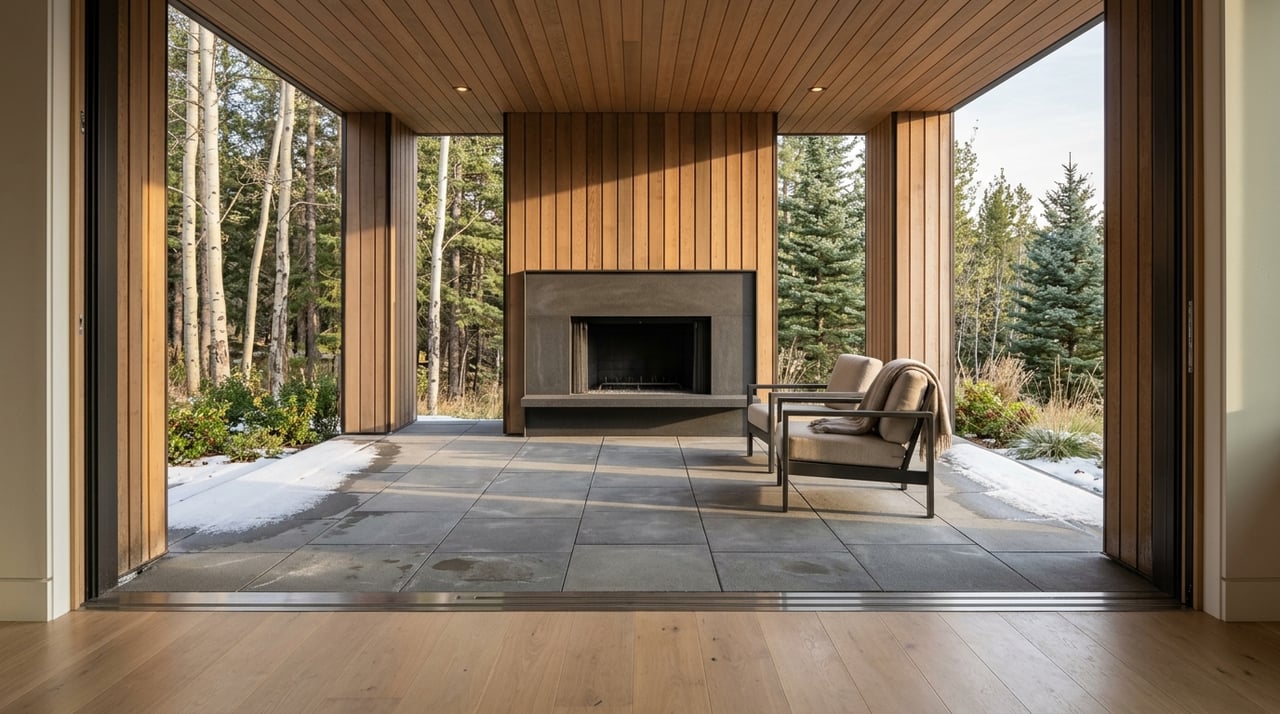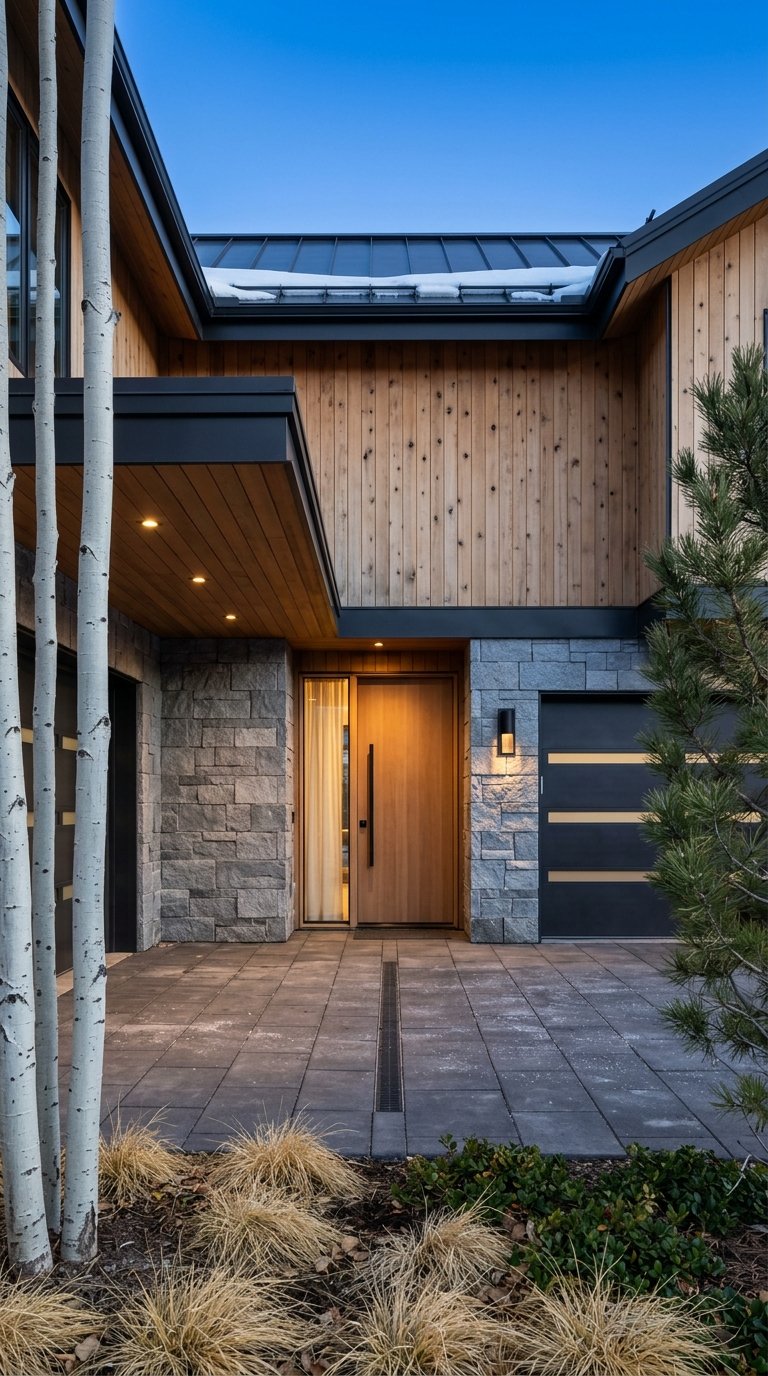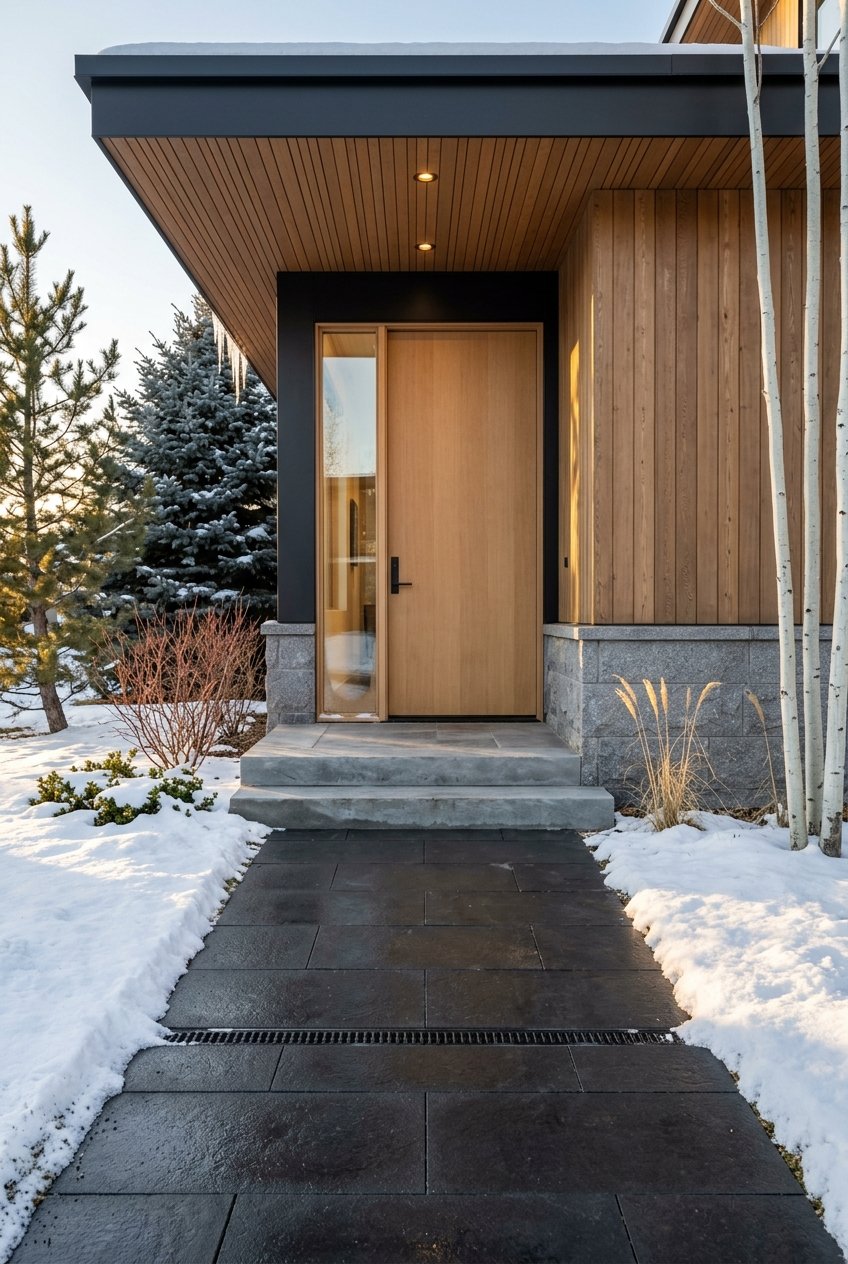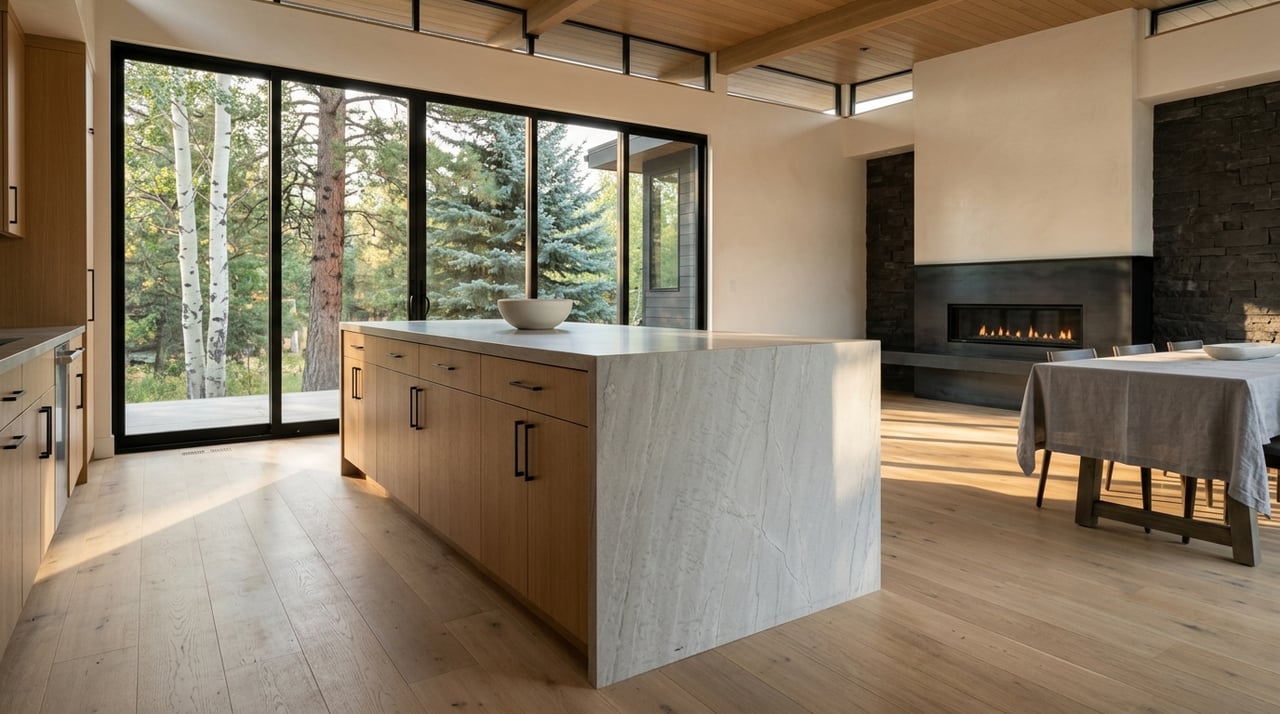
Seven single-family homes closed in Park Meadows in the first quarter of 2026. Their combined sale-to-list ratio was 100 percent, and the median time from list to contract was 42 days. Both figures sit meaningfully ahead of the broader Park City single-family market, which posted a 97.0 percent sale-to-list ratio and a 100-day median across the same quarter.
Read quickly, those numbers sound like good news for any Park Meadows owner considering a listing. Read carefully, they describe a specific kind of seller behavior. Homes that close at 100 percent of ask, as a group, are not homes that got lucky. They are homes that were priced to clear.
The number underneath the number
A 100 percent community-wide sale-to-list ratio does not mean sellers held firm on ambitious pricing. It means the last list price on each of those seven homes matched what a buyer was willing to pay. In practice, that ratio is built the same way every quarter: some homes come to market correctly and clear at ask, others come to market high, reduce, and eventually close at their revised number. The math still lands at 100 percent, and the reduction disappears from the headline.
The Q1 2026 read from the Park City Board of Realtors and Domus Analytics makes the point plainly across the whole market. Correctly priced single-family homes cleared in roughly 10 to 14 days. Homes priced above current comparables sat, adjusted, and sat again. Park Meadows' 42-day median tells you the neighborhood is skewing toward the first group, but it does not exempt any individual listing from the second.
Park Meadows sellers are not being rewarded for optimism. They are being rewarded for reading the room.
Why Park Meadows disciplines pricing faster than the resort enclaves
The neighborhood's dual-buyer pool is the mechanism worth understanding, and it is what separates a Park Meadows listing from a Colony or Empire Pass listing where the same square footage might command a very different pricing posture.
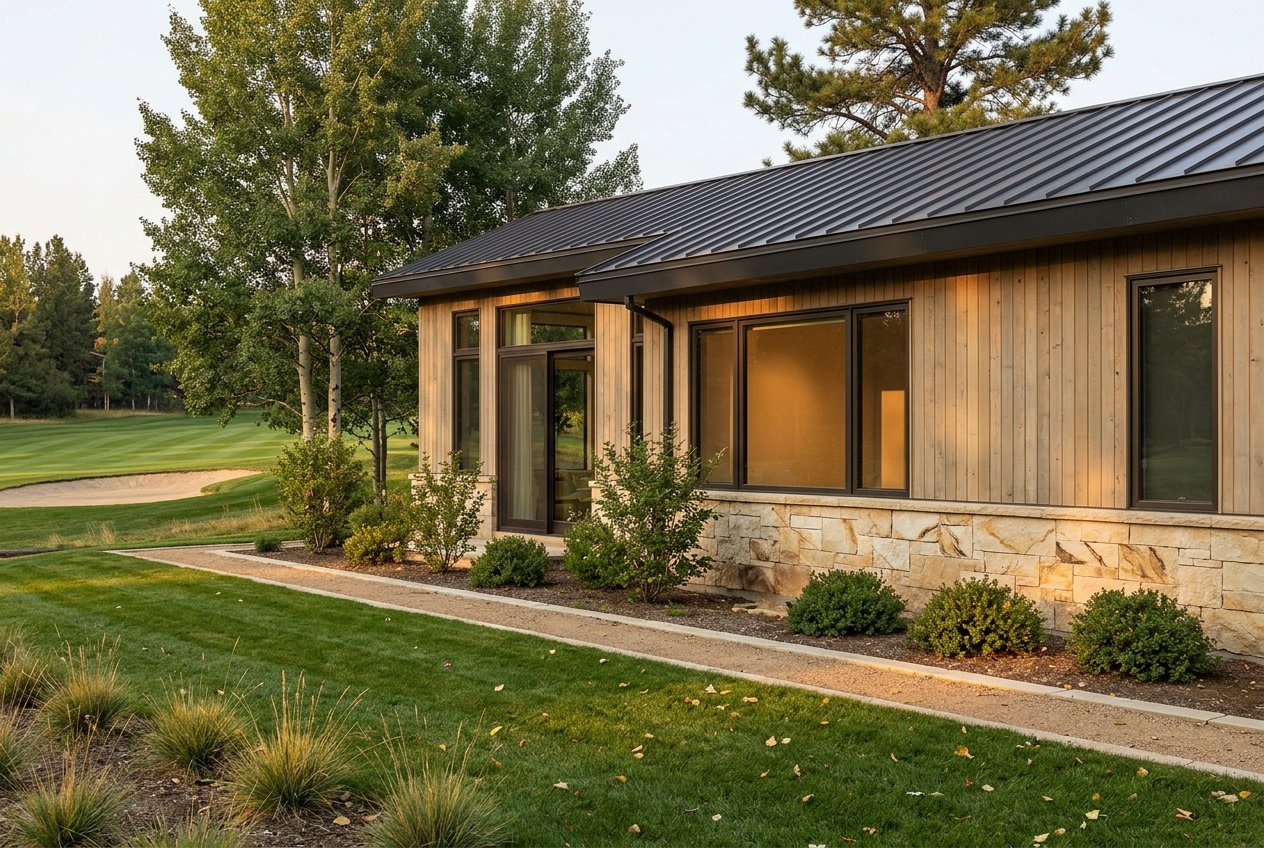
Park Meadows attracts two overlapping audiences. One is the year-round Park City resident who values the flat street grid, the proximity to town, and the Park Meadows Country Club with its Jack Nicklaus signature course, resort-style pool, and clubhouse dining. The other is a second-home buyer who has priced the market against Promontory, Glenwild, and Deer Valley and concluded that Park Meadows offers the strongest combination of location, lot size, and mountain views for the money. When both buyer types compete for the same house, pricing tightens.
The friction shows up in comp behavior. A resort-only submarket forgives an aspirational list price because the buyer pool is small, cash-heavy, and often shopping on emotion. A neighborhood with genuine primary-residence demand does not. The full-time-resident buyer is running a colder calculation, has walked comparable homes on the same street, and will not chase an owner who is 12 percent over recent comparables. When that buyer walks, the second-home buyer notices, and the listing goes stale in the private-showing conversation before it goes stale on the MLS.
This is the reason a Park Meadows listing at $3.4 million tends to earn a decision inside the first 30 to 60 days, while a similar-priced home in a more speculative submarket can drift for a season without the market drawing a conclusion.
What the 2025 full-year record adds
The Q1 numbers are a snapshot. The 2025 annual data explains the trajectory that made them possible.
Across 2025, Park Meadows recorded 35 single-family sales, the second-highest count inside Park City Limits behind Old Town's 53. The neighborhood median came in at $3.395 million. Both the median and the average sale price were up roughly 9.5 and 11.4 percent over 2024, even though 37.5 percent fewer homes sold and 28.2 percent fewer were listed. That combination, prices up while inventory and turnover both fell, is the signature of a market where owners are staying put and the few homes that transact are trading between qualified, well-prepared buyers.
The Q1 2026 median of $2.775 million looks like a step back only if you read the two numbers as directly comparable. They are not. Seven closings in a quarter reflect whichever homes happened to move, and Park Meadows spans lot sizes and finish levels wide enough that quarterly medians swing with the mix. The 100 percent sale-to-list ratio is the more stable signal, and it is consistent with the discipline the neighborhood showed all through 2025.
Zooming out one level, the greater Park City area posted $4.87 billion in total volume in 2025 per Sotheby's 2026 Resort Report, up 26.1 percent year over year, with an average sold price of roughly $2.53 million. Park Meadows sits inside a market that is compounding, not correcting.
Reading the summer selling window
Park Meadows behaves differently than the ski-adjacent submarkets when it comes to seasonality, and this matters for anyone deciding whether to list in July or wait for October.
Deer Valley and Empire Pass listings tend to peak on buyer traffic in the ski-shoulder windows, when second-home buyers are visiting to lock in for the following winter. Park Meadows draws attention across a wider calendar because a meaningful share of its buyers are relocating to Park City rather than sampling it. Summer weekends on the Nicklaus course, weekday evenings at the club pool, and Wednesday afternoons at the Park City Farmers Market at Park City Mountain's First Time Chair lot are all part of how the neighborhood shows itself. A listing that photographs and shows well in July has an audience.
That does not mean a summer listing can be casual about pricing. If anything, the deeper buyer pool raises the standard. Buyers looking at Park Meadows in July are often comparing three homes the same week. The one that clears at ask is almost always the one that arrived at market with a defensible number and a photographer who understood which side of the house catches the Wasatch afternoon light.
Practical implications for a summer 2026 listing:
- Pricing needs to be defensible against closed comparables from the last two quarters, not against the seller's memory of a 2022 neighbor sale
- The listing should be ready before it goes live, because the 10-to-14-day clearance window belongs to homes that were fully staged and photographed on day one
- Concessions, if they happen, tend to show up as inspection credits rather than headline price cuts, which is one reason the sale-to-list ratio stays near 100
The inspection question sellers underestimate
Park Meadows' housing stock spans a wide age range, from original 1980s builds around the golf course to recent teardown-rebuilds on the same lots. That mix creates inspection friction that a seller who bought new construction elsewhere may not anticipate.
The most common issues surfacing in Park Meadows inspections tend to cluster around original-era mechanical systems, radon in below-grade spaces (Utah has among the highest radon rates in the country per the state Department of Environmental Quality), and stucco or window-flashing details on homes that predate current standards. None of these are dealbreakers. All of them are cheaper to address before the inspection than after. A seller who invests $8,000 to $15,000 in pre-listing diligence on a $3 million home is buying negotiating leverage that would otherwise cost multiples of that at the closing table.
FAQ
Is Park Meadows a faster market than the rest of Park City?
By Q1 2026 data, yes for correctly priced homes. The neighborhood's 42-day median days on market ran ahead of the broader single-family market's 100-day median, and its 100 percent community-wide sale-to-list ratio compared with 97.0 percent market-wide. That is a pricing-discipline outcome more than a demand outcome.
Should a seller list in spring, summer, or fall?
Park Meadows carries broader seasonal demand than the resort enclaves because it draws primary-residence buyers alongside second-home buyers. Spring and early summer typically produce the deepest showing traffic, but a well-prepared listing can clear in any month. Timing matters less than pricing and presentation.
How much should a seller expect to invest in pre-listing preparation?
For a home at or near the Park Meadows median, budgeting for professional photography, targeted staging or destaging, a pre-listing inspection, and any obvious deferred maintenance is standard practice. Homes that arrive on the market fully prepared are the ones that account for the neighborhood's compressed days-on-market figures.
What is the biggest pricing mistake Park Meadows sellers make?
Anchoring to a 2021 or 2022 neighbor sale. The Park City market shifted through 2023 and 2024, and while 2025 recovered meaningfully, the buyer pool today underwrites deals against current comparables, not against peak-cycle memory. A list price built on stale comps is the single most common reason a Park Meadows listing sits past 60 days.
Selling in Park Meadows in 2026 is less about timing the market and more about respecting how quickly this particular buyer pool separates a defensible listing from an aspirational one. If you own here and are thinking about the fall season, or weighing a summer launch, Tricia Cohen offers a private consultation grounded in current neighborhood comps, a preparation plan tailored to your property, and the marketing infrastructure of Berkshire Hathaway HomeServices Utah Properties. Schedule a Private Consultation to begin the conversation.