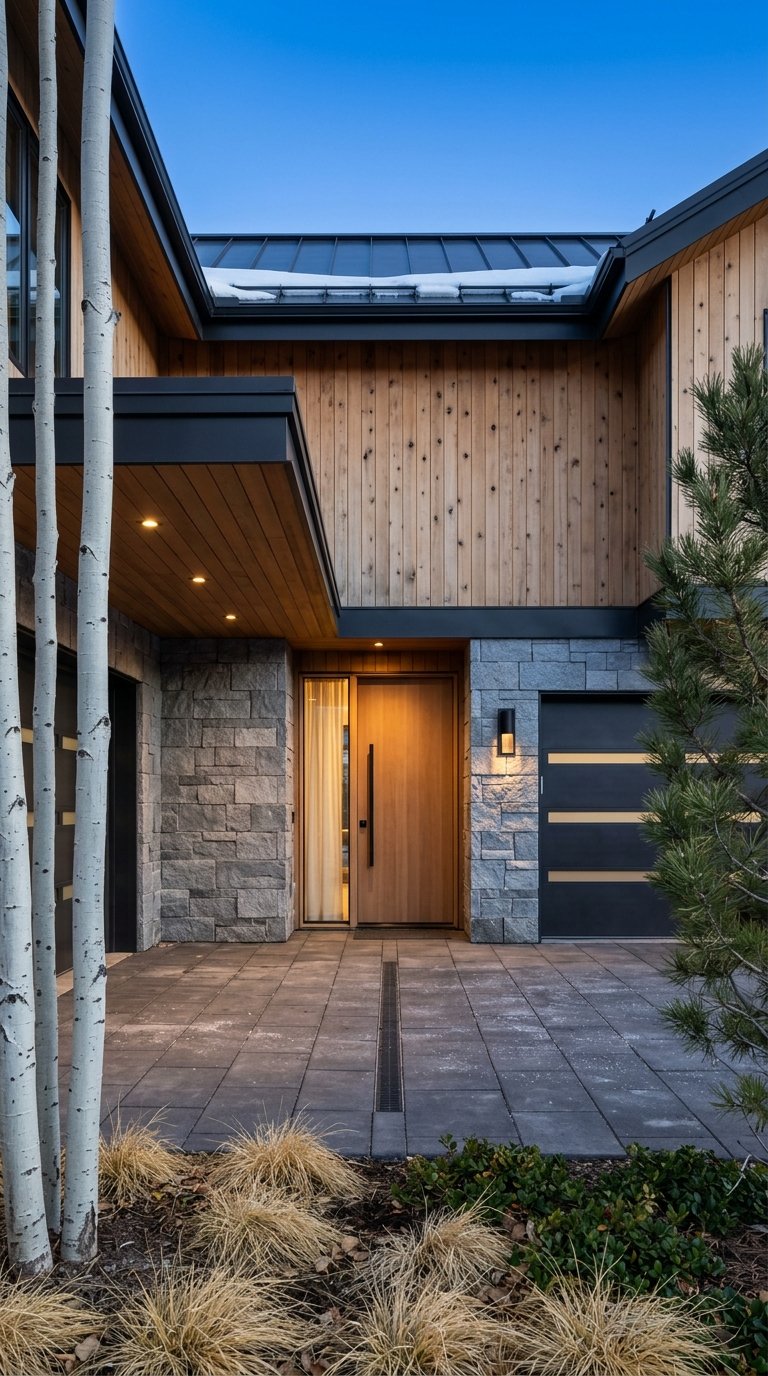
If you want a Park City second home that feels easy to use, easy to enjoy, and closely tied to the Deer Valley lifestyle, Lower Deer Valley deserves a serious look. For many buyers, the challenge is finding a place that supports weekend escapes, family visits, and low-maintenance ownership without feeling disconnected from town. Lower Deer Valley stands out because it combines resort convenience, transit access, and a housing mix that naturally fits part-time living. Let’s dive in.
Why Lower Deer Valley Works
Lower Deer Valley is notably well aligned with second-home ownership. In a Park City housing trends report, the city grouped Lower Deer Valley with other second-homeowner neighborhoods and found that 84% of vacant units were used for seasonal, recreational, or occasional use. That is a strong signal for buyers who want a home base designed around flexible, part-time use.
The same report shows that Lower Deer Valley has a housing mix concentrated in condos and other multi-residential properties rather than detached single-family homes. For you, that often means a simpler ownership model, fewer day-to-day responsibilities, and a setup that can better support lock-and-leave living. Compared with more primary-residence-oriented areas, Lower Deer Valley is structurally a better fit for visits, holidays, and repeat resort stays.
Condo Living Fits the Area
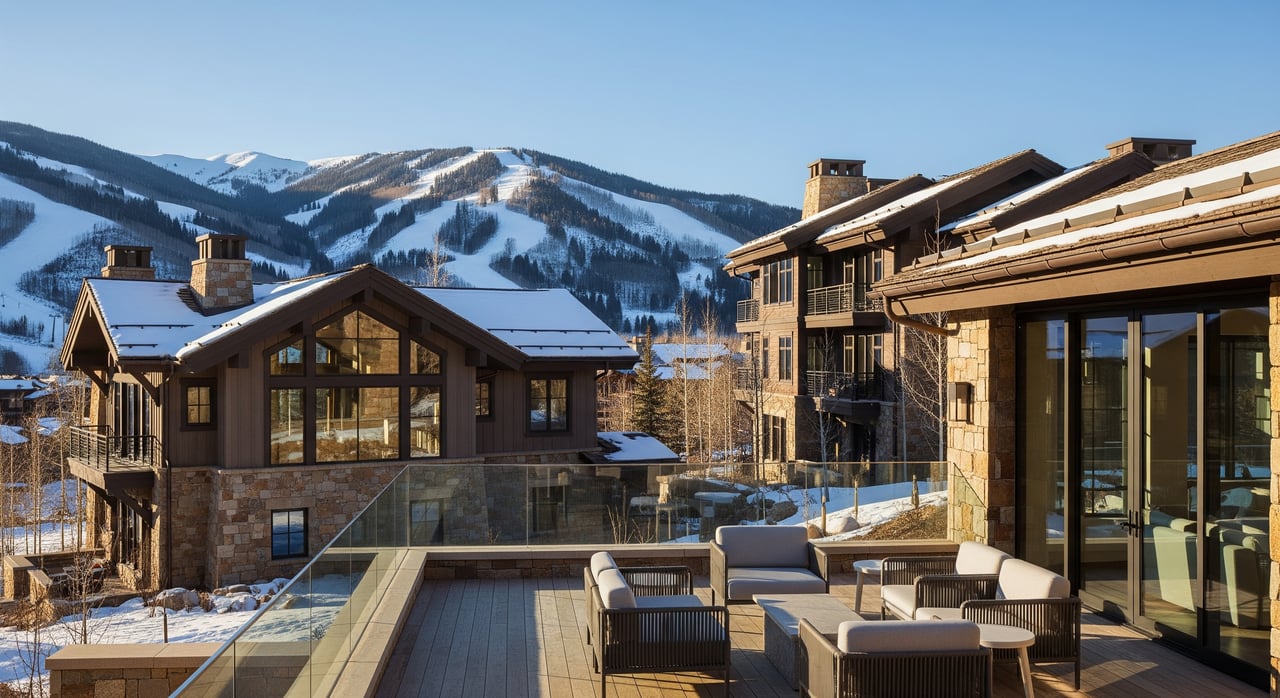
If your goal is convenience, condo and lodge-style ownership is the default profile here. Deer Valley’s Snow Park lodging options include hotel rooms, condos, and one- to three-bedroom layouts, which reflects the type of product many second-home buyers are looking for in Lower Deer Valley. This format tends to appeal to owners who value straightforward arrivals, efficient use of space, and proximity to resort amenities.
This also helps set expectations when you compare Lower Deer Valley with other luxury areas in Park City. If you want a property that supports frequent visits without the scope of managing a larger estate, the neighborhood’s existing inventory and resort orientation make that a natural match. In practical terms, Lower Deer Valley often works best when your priority is access and ease rather than a full-time residential footprint.
Best for Frequent Getaways
For many buyers, the sweet spot is a well-appointed condo that can comfortably host family or friends for a long weekend. Powder Run, for example, is one block from Snow Park Lodge and offers two- to four-bedroom condos with full kitchens, hot tubs, laundry, parking, and complimentary in-town transportation to the resort and Historic Main Street. That type of setup gives you enough room to entertain without taking on the scale of a private home.
If you visit often but do not want to manage a large property, this middle-ground ownership style can be especially appealing. You get functional living space and resort access while keeping the ownership experience more streamlined. For second-home buyers, that balance can be one of Lower Deer Valley’s strongest advantages.
Larger Homes for Hosting
If your second home is meant to host multiple generations or larger gatherings, bigger Deer Valley properties may be a better fit. Deer Valley’s Coalition 656 and other Snow Park area lodging options show a broader range that includes one- to four-bedroom condos and 5+ bedroom private homes. That gives you a useful sense of how the product mix expands when your needs go beyond a typical condo.
For buyers who entertain often or expect longer family stays, having more bedrooms and dedicated gathering space can be worth the added complexity. The key is matching your ownership style to how you will actually use the property. In Lower Deer Valley, that usually means deciding whether your ideal base is compact and turnkey or large enough to become a central family retreat.
Everyday Convenience Matters
A second home should not feel like work every time you arrive. One of Lower Deer Valley’s biggest strengths is that it offers convenience without feeling cut off from the rest of Park City. According to Visit Park City’s Deer Valley guide, Deer Valley is closely connected to Historic Old Town and integrated with both transit and trails, and Snow Park is the Deer Valley base area closest to Main Street.
That proximity matters if you want to ski in the morning and head into town for dinner later without much planning. It also adds flexibility for guests, especially when not everyone in your group is following the same schedule. Instead of feeling isolated in a resort pocket, you stay connected to the wider Park City experience.
Car-Light Ownership Is Realistic
For many second-home owners, ease of movement is a major factor. Park City’s free transit system connects neighborhoods, trailheads, Park City Mountain, and Deer Valley Resort, and the same source notes that most lodging properties and all hotels provide free shuttles around town. That can make Lower Deer Valley especially practical if you want a more relaxed, car-light routine while you are in residence.
Deer Valley also offers Deer Valley Direct, a complimentary on-demand ride service and skier shuttle tracking for Deer Valley Resort Lodging owners and guests, with service into Historic Park City, according to the same transit resource. And for out-of-state owners, airport access is part of the appeal. The area is served by Salt Lake City International Airport and Heber Valley Airport, both within an hour of Park City.
Lower Deer Valley Beyond Ski Season
A strong second-home base should work in more than one season. Lower Deer Valley remains active in summer, but it typically feels more relaxed than hectic. Visit Park City highlights the Deer Valley Snow Park Trail as an easy Lower Deer Valley option where visitors can walk around the pond, paddleboard, or stop for lunch.
That kind of warm-weather usability can make a big difference in long-term enjoyment. If you want a property that supports summer weekends, concerts, and outdoor time in addition to winter ski trips, Snow Park’s year-round appeal adds depth to the ownership experience. It helps turn a ski property into a true four-season retreat.
A Neighborhood in Transition
Lower Deer Valley is not static, and that matters for buyers thinking long term. Visit Park City reports that Deer Valley’s 2025/26 season opened Expanded Excellence terrain with seven new chairlifts, including a 10-passenger gondola, and nearly 100 new ski runs. Official resort materials also state that the broader expansion is intended to reach 5,726 skiable acres when complete.
At the base-area level, the Snow Park redevelopment plan calls for a pedestrian-friendly village, a transit hub, new year-round amenities, and a 15% to 20% reduction in Snow Park parking. For you as a buyer, that points to a changing resort environment that may become even more walkable and service-oriented over time. It is a good reminder that choosing Lower Deer Valley is not only about what the neighborhood offers today, but also about where it appears to be heading.
What to Verify Before You Buy
Even in a resort setting, not every property supports the same ownership goals. If you are considering occasional rentals, Park City requires a nightly rental license for stays under 30 days where zoning allows it, along with a state sales tax ID, an application, and a building inspection. The city says approval generally takes 15 to 30 days.
That means rental use should be confirmed early, not assumed. You will want to verify zoning, building rules, and any operational steps before you close. A property that works beautifully as a personal retreat may have a different path if rental flexibility is part of your plan.
Watch for Deed Restrictions
It is also important to avoid assuming that every Park City property is suitable for second-home use. The city’s deed-restricted affordable housing rules require full-time owner occupancy and place significant limits on renting. Those properties are designed for primary residence use, not typical seasonal ownership.
This is a simple but essential checkpoint. If your goal is a true second home, you want to confirm from the start that the property’s legal framework matches that purpose. Clarity here helps you avoid costly surprises later.
Consider Management Structure
If you want a lock-and-leave residence, management can be one of the most important quality-of-life factors. Deer Valley’s property management services include 24-hour maintenance and care, on-site staff at most locations, pre-arrival stocking, 24-hour security, routine inspections, and daily housekeeping for rental guests. Owners remain responsible for utilities and major maintenance.
There is also an important operational detail in Deer Valley’s program. The resort states that family and friends may use the residence under contract, but owners may not rent directly if the property is under Deer Valley management. If hands-off ownership is your priority, that tradeoff may be well worth it. If flexibility is more important, it is something to review carefully before deciding.
Is Lower Deer Valley the Right Fit?
Lower Deer Valley tends to make the most sense if you want a second home that prioritizes convenience, easy resort access, and a more streamlined ownership profile. It is especially compelling if you picture frequent visits, family stays, and a property that works in both ski season and summer. The neighborhood’s condo-heavy housing mix, connection to Snow Park, and access to Main Street all support that use case well.
If you are weighing Lower Deer Valley against other Park City options, the real question is not just what looks appealing on paper. It is which neighborhood best matches how you want to arrive, stay, host, and leave. If a refined, low-maintenance resort base is the goal, Lower Deer Valley is one of the clearest fits in the market.
If you want help comparing Deer Valley opportunities or narrowing down the right second-home strategy, Tricia Cohen offers a high-touch, neighborhood-specific approach designed for Park City’s luxury resort market.
FAQs
Is Lower Deer Valley a good area for a second home?
- Yes. A Park City housing report identified Lower Deer Valley as a second-homeowner neighborhood, and 84% of its vacant units were used for seasonal, recreational, or occasional use.
What type of property is most common in Lower Deer Valley?
- Lower Deer Valley is concentrated in condos and multi-residential housing, which often aligns well with part-time, lower-maintenance ownership.
How close is Lower Deer Valley to Historic Main Street Park City?
- Snow Park, the closest Deer Valley base area to Main Street, gives Lower Deer Valley owners convenient access to both the resort and Historic Old Town.
Can you live in Lower Deer Valley without driving everywhere?
- In many cases, yes. Park City’s free bus system serves Deer Valley and other local destinations, and many lodging properties also provide shuttle service.
Can a Lower Deer Valley second home be used as a nightly rental?
- Possibly, but you need to verify zoning and licensing. Park City requires a nightly rental license for stays under 30 days where that use is allowed.
What should buyers confirm before purchasing in Lower Deer Valley?
- You should confirm rental rules, deed restrictions, zoning, and any property management terms so the home matches your intended second-home use.