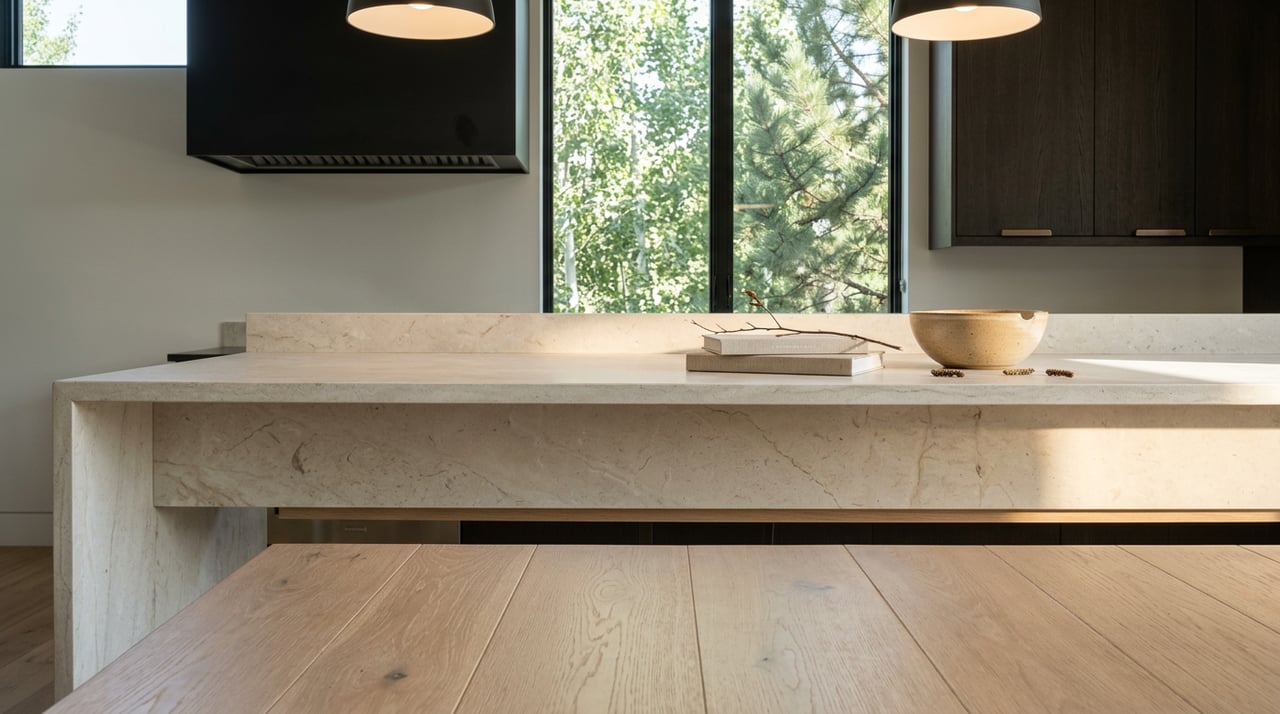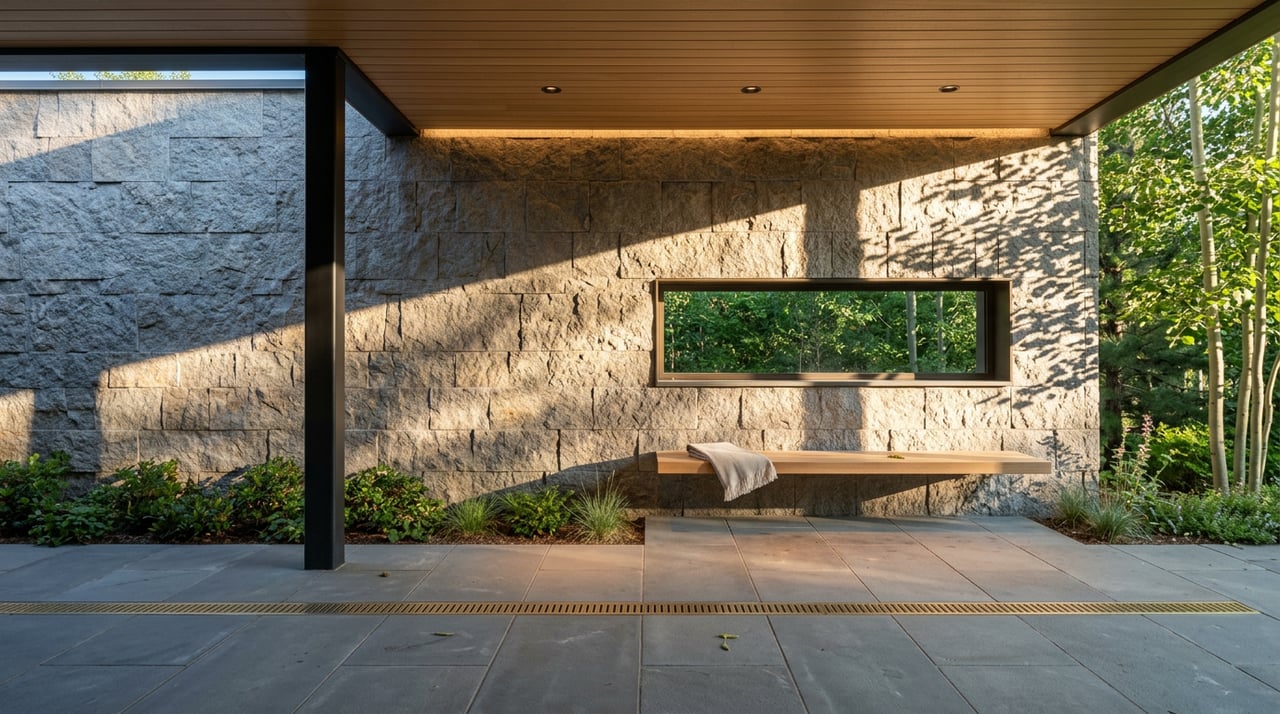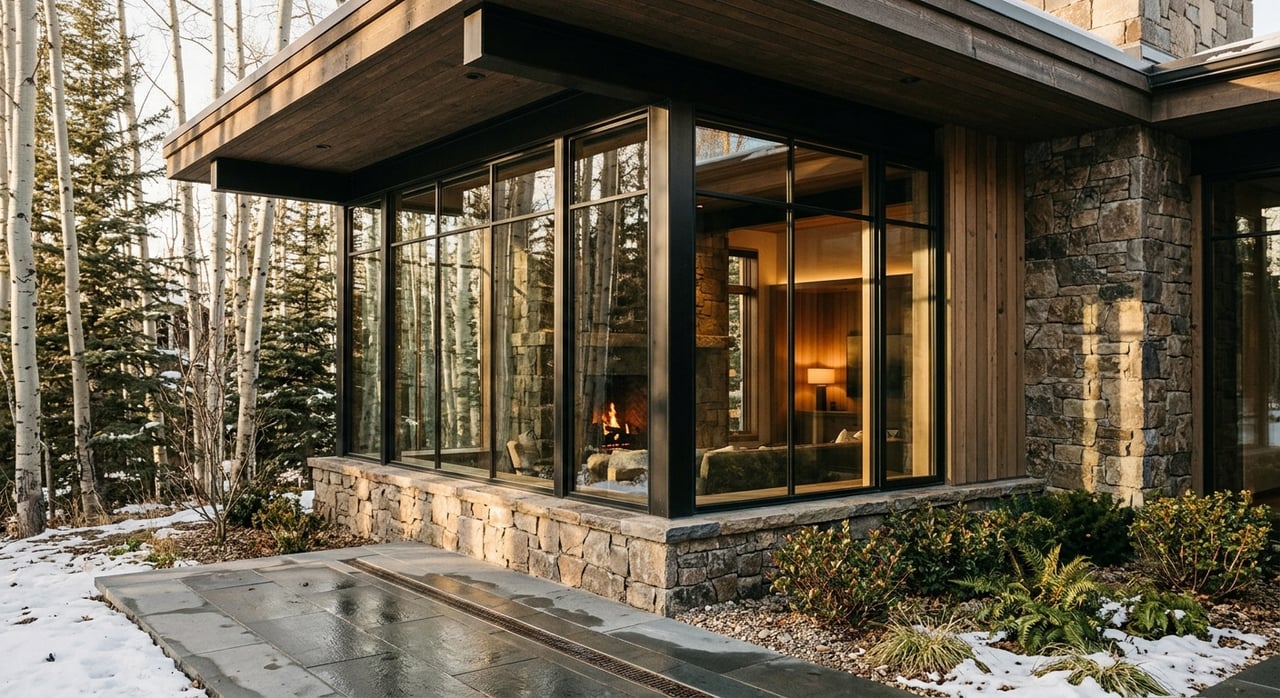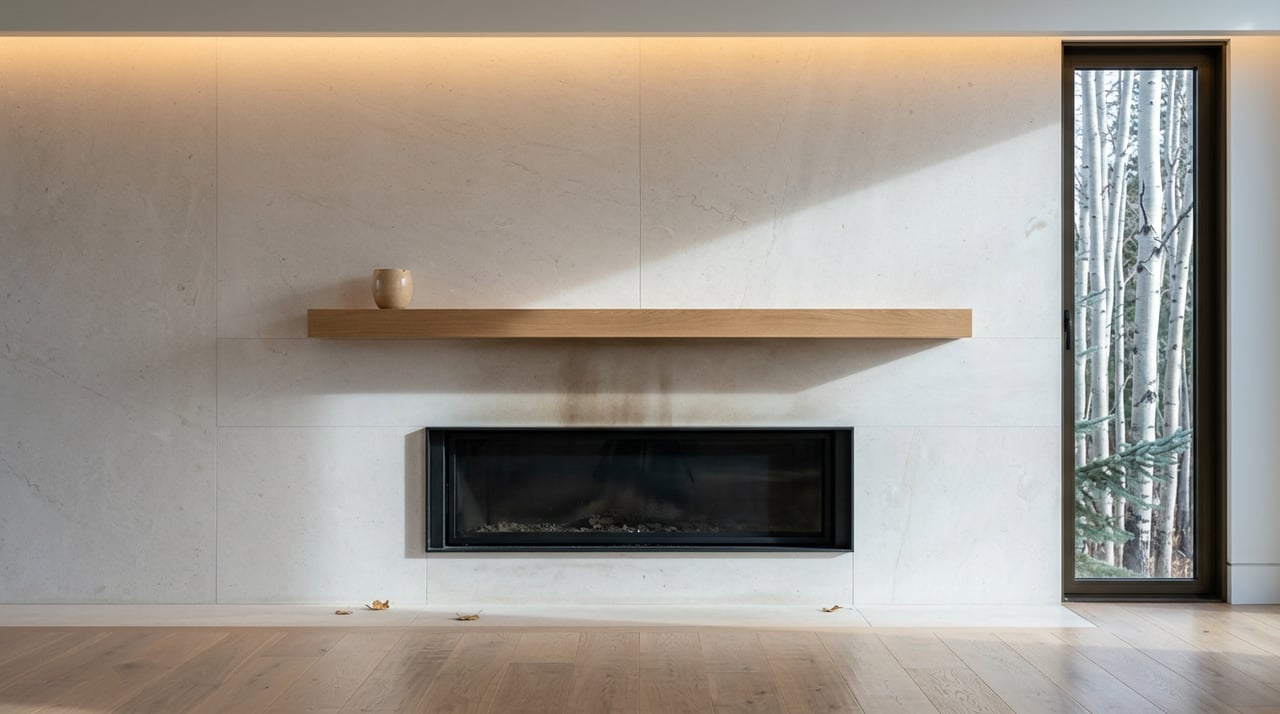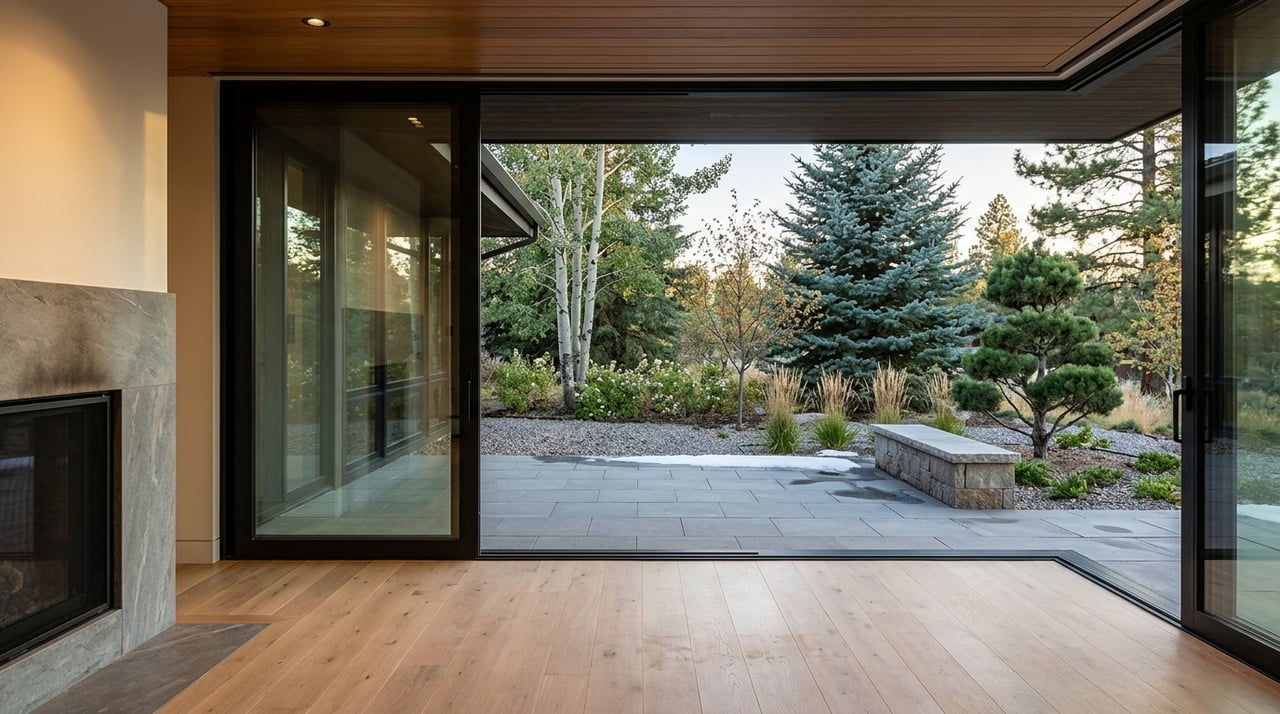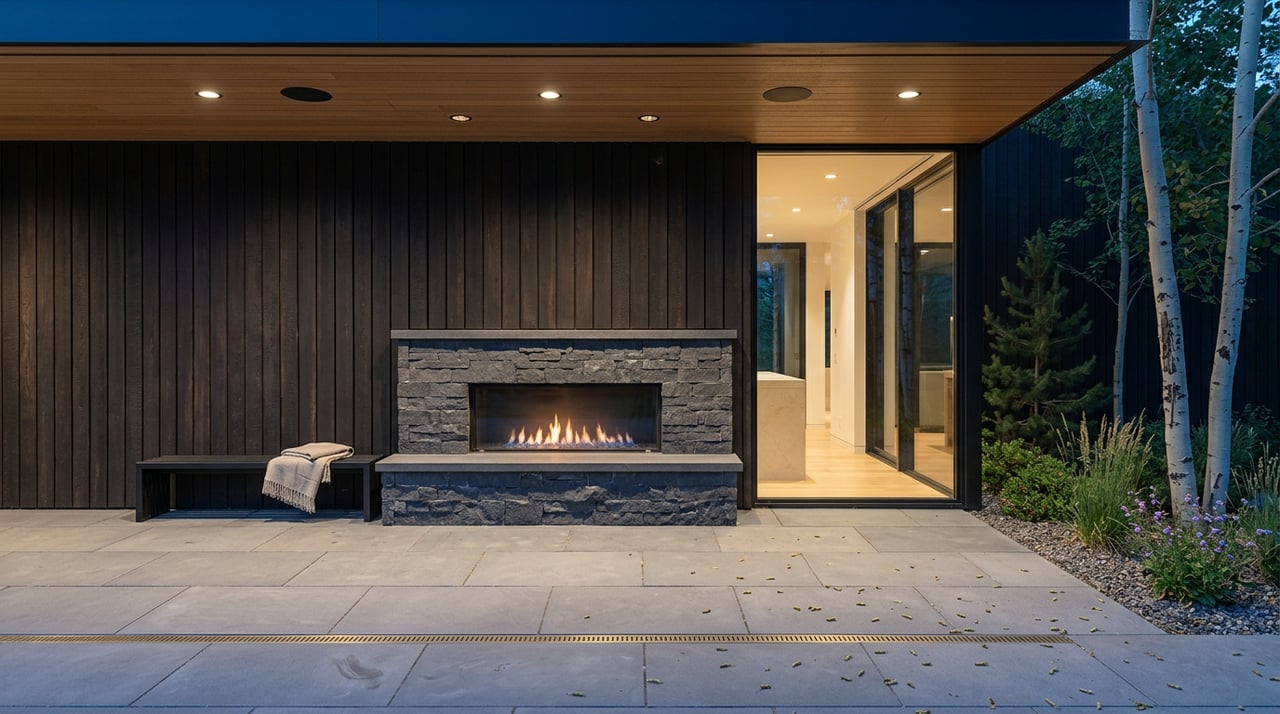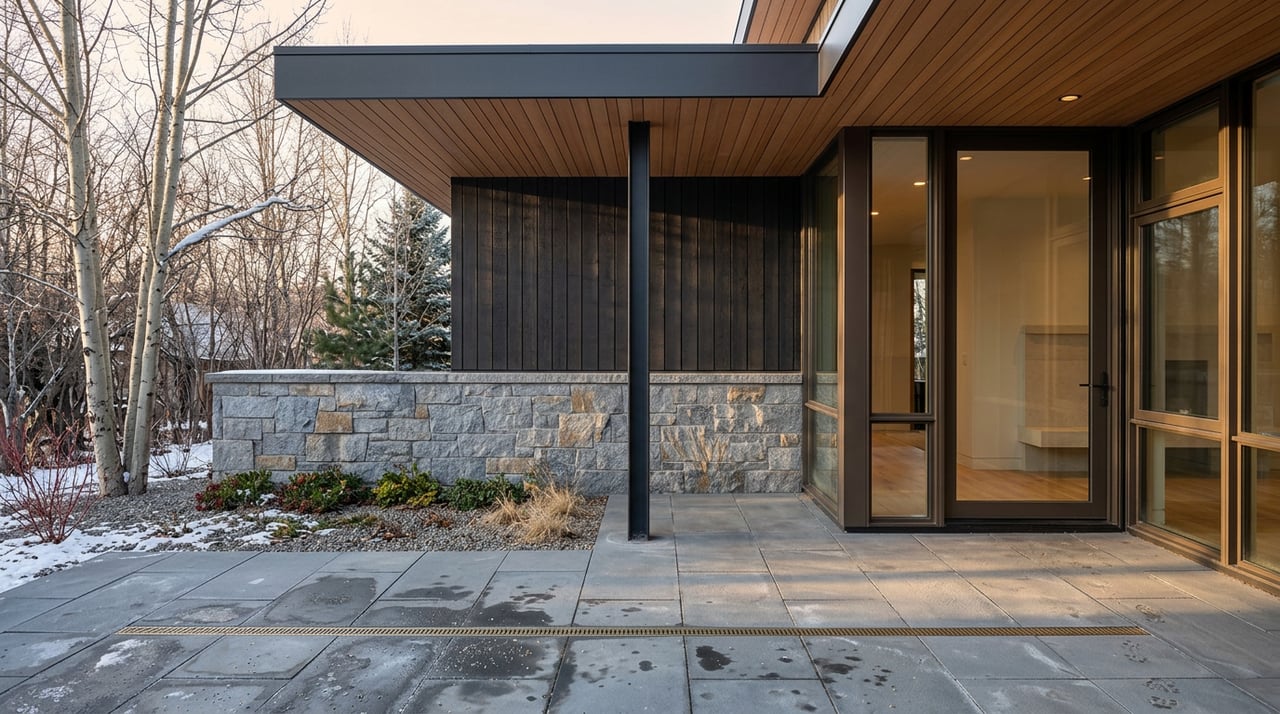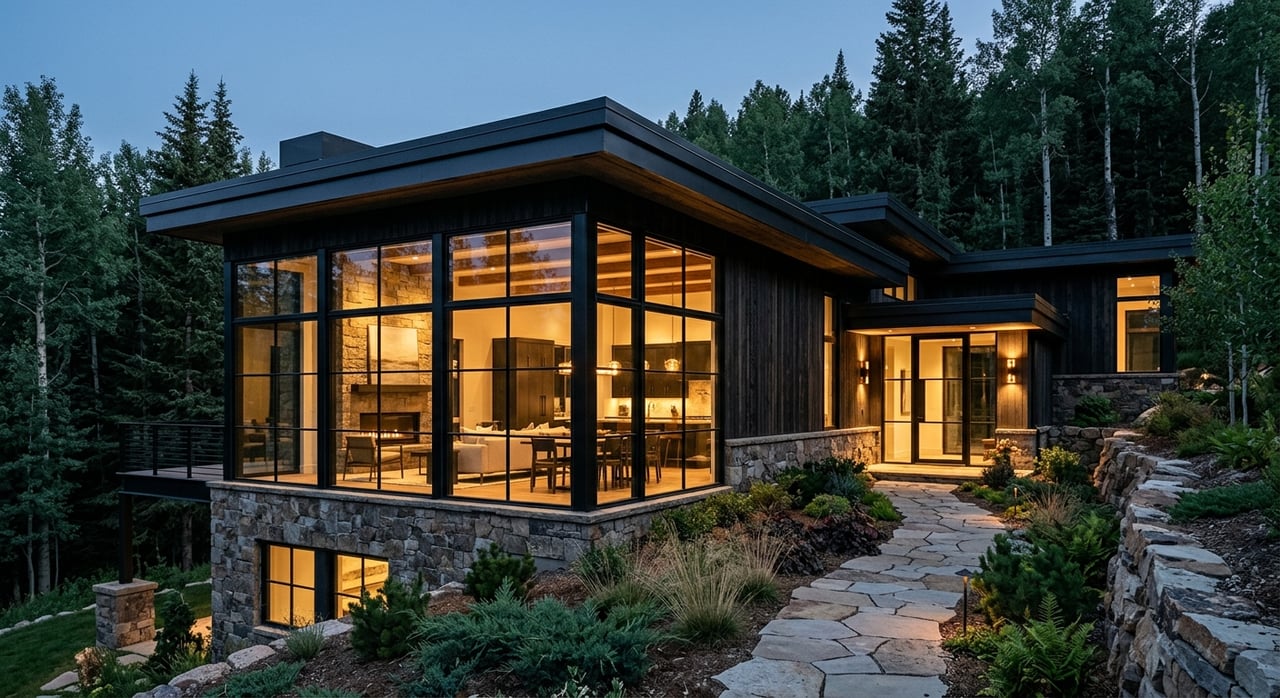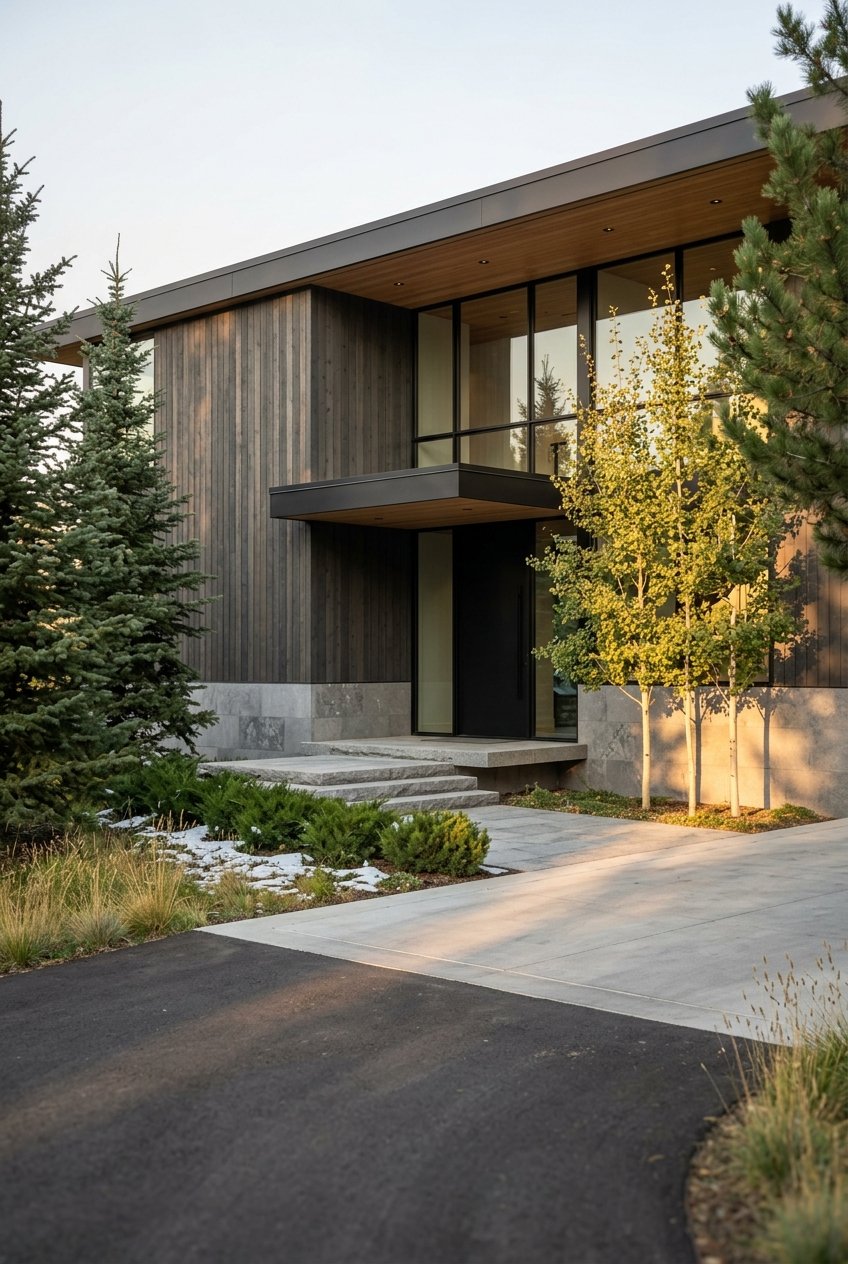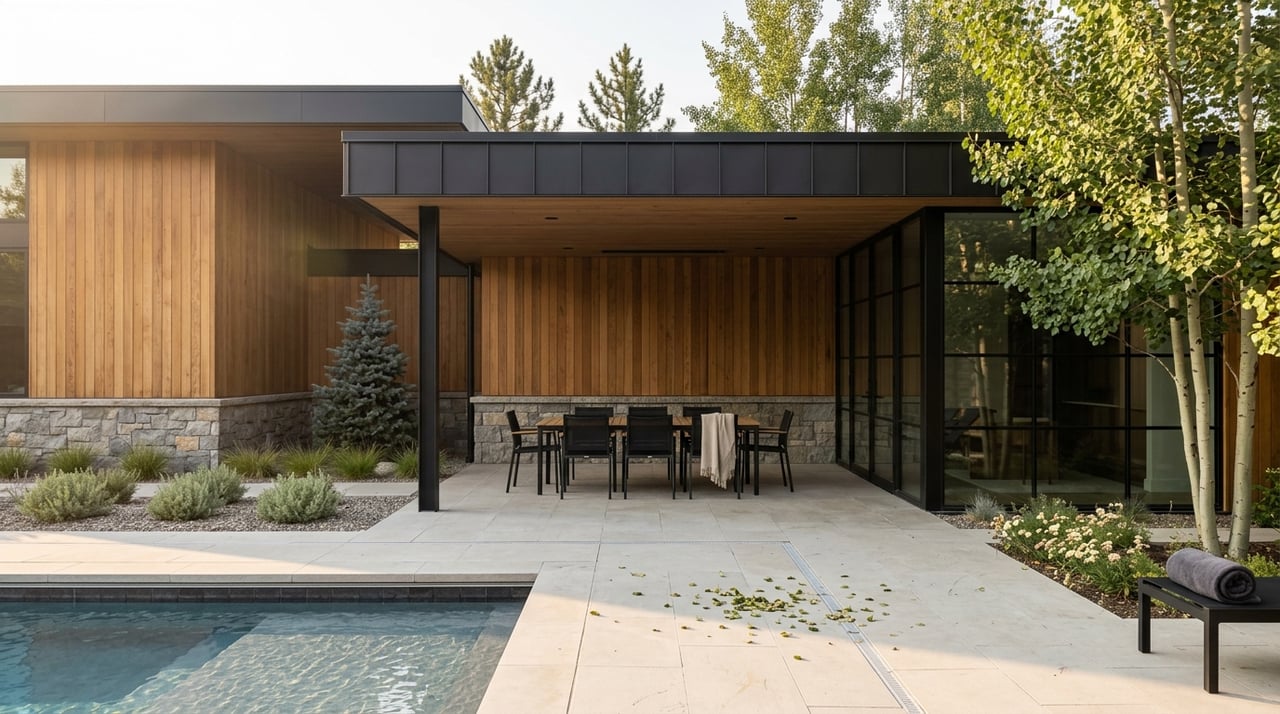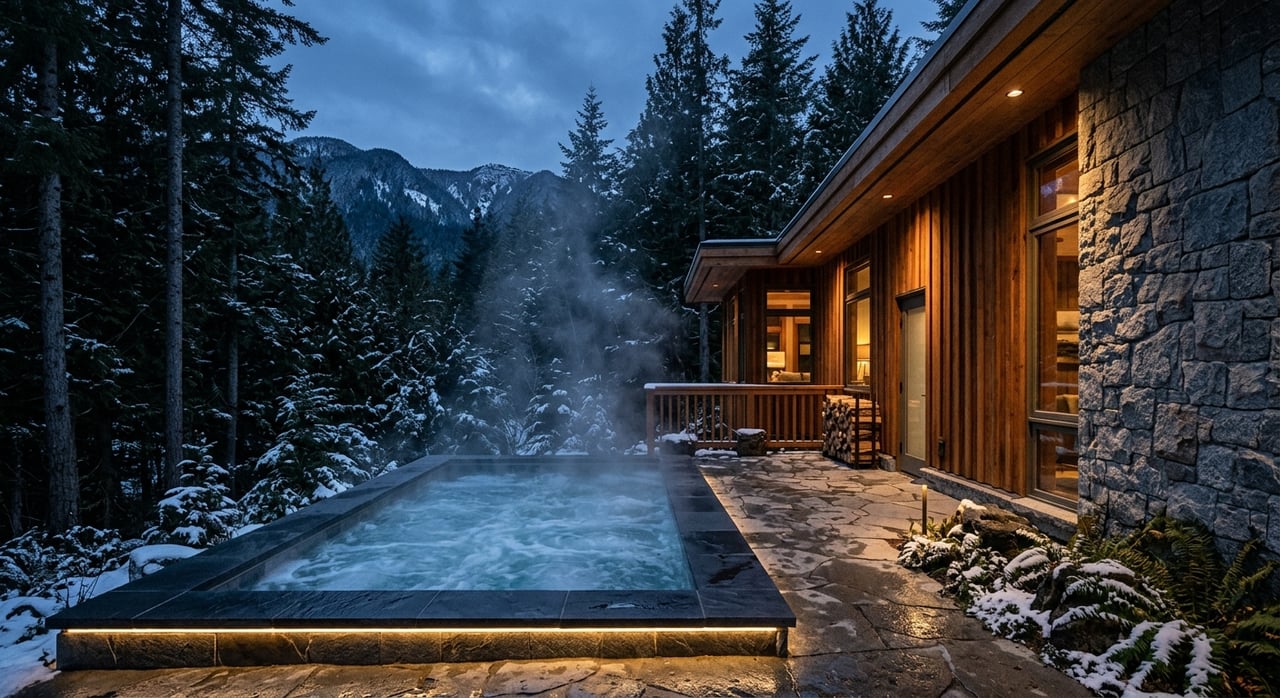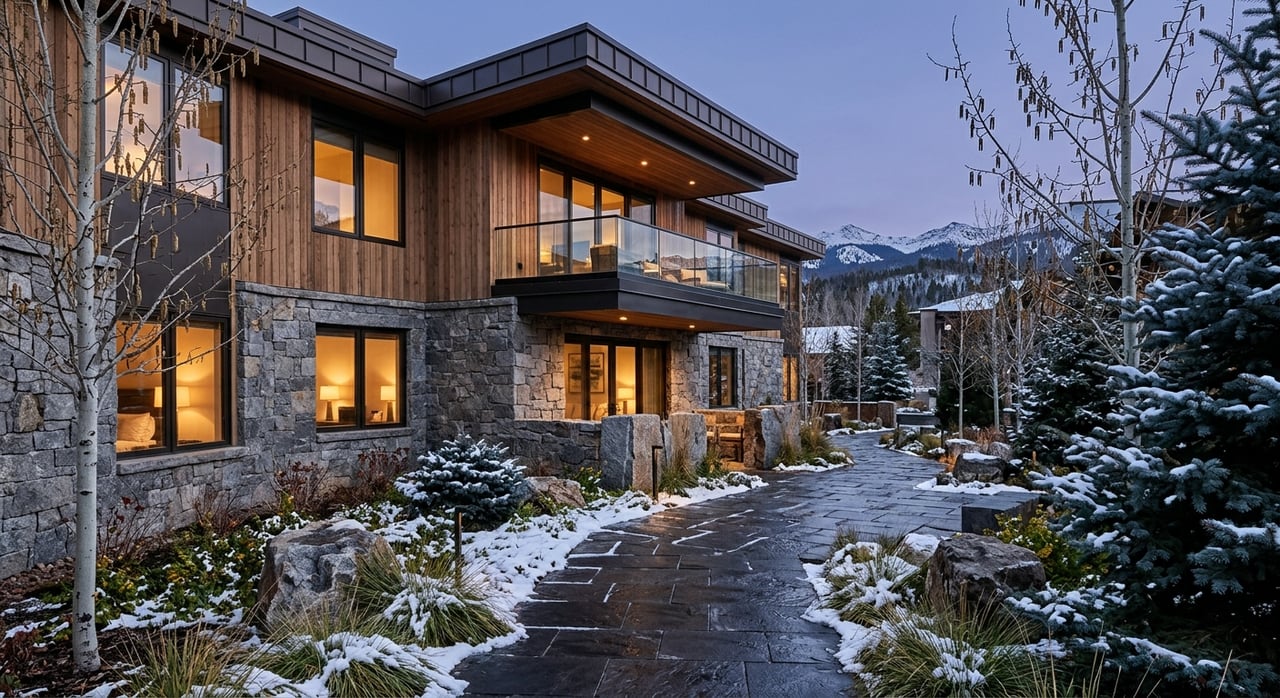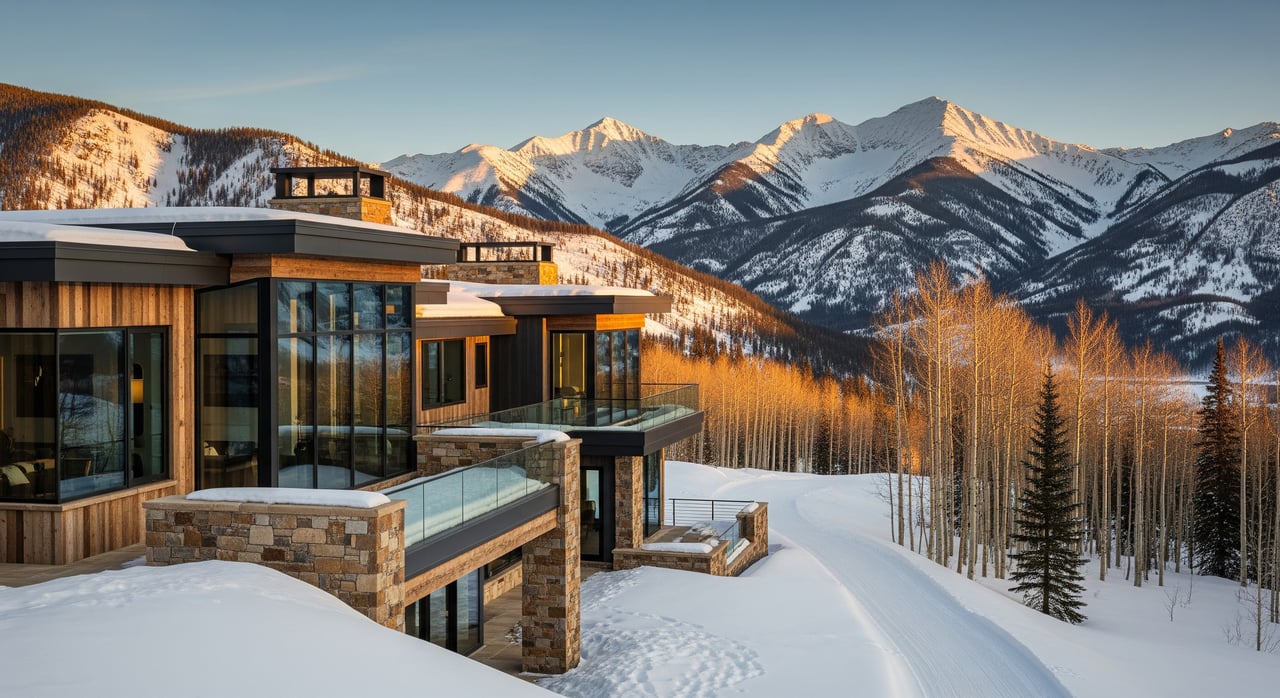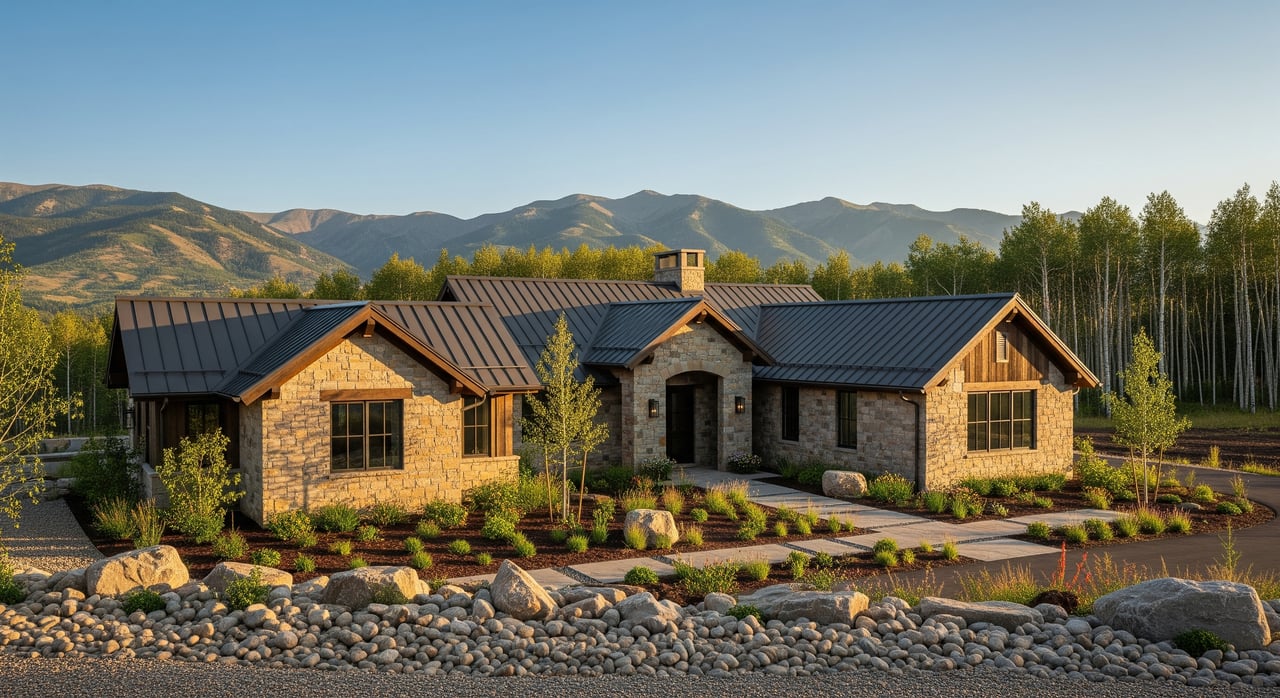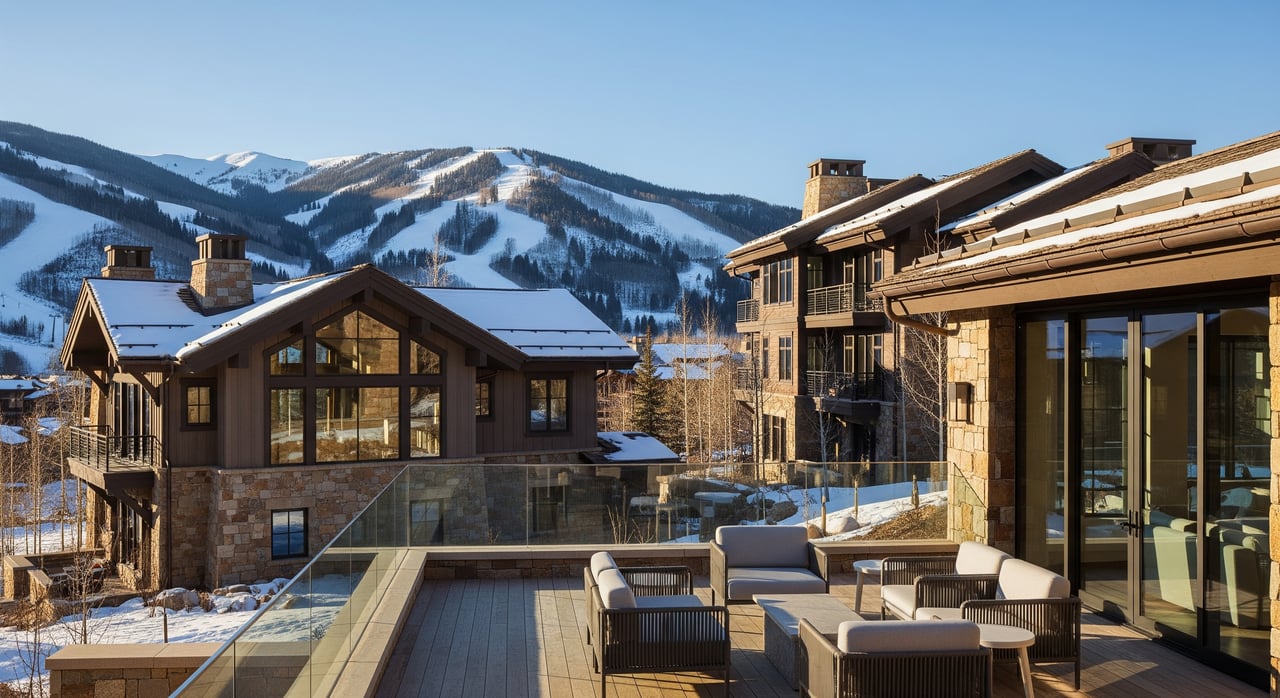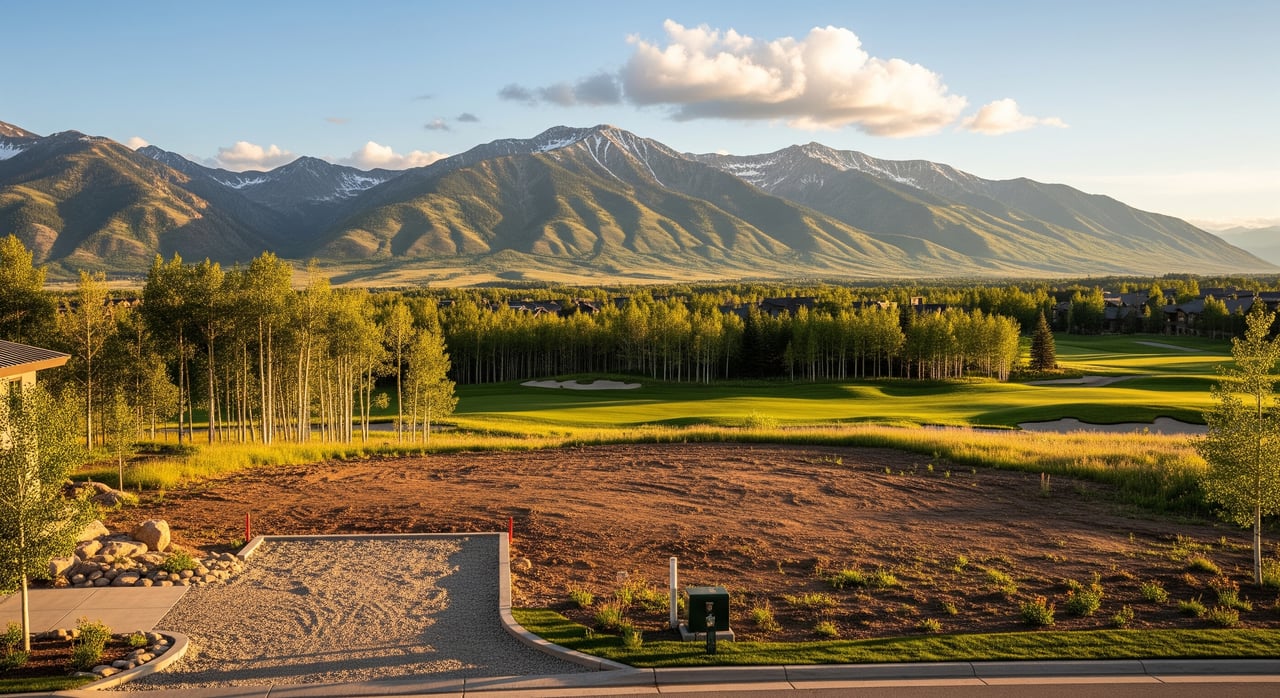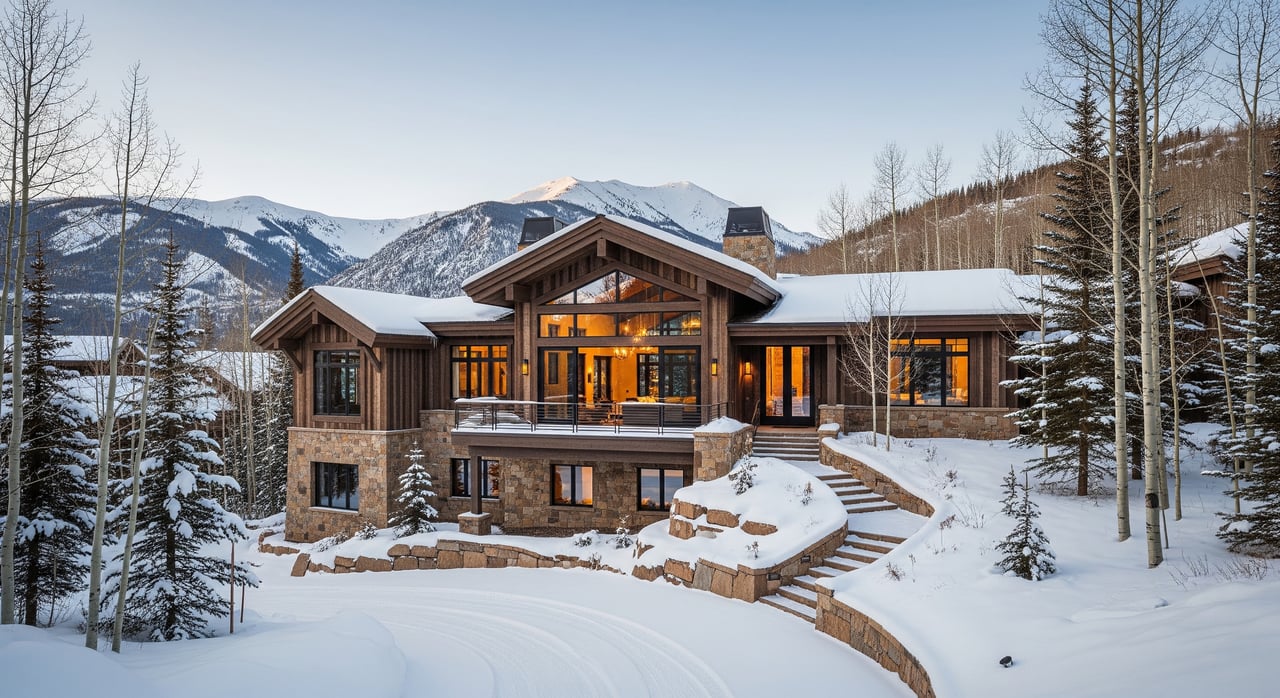
Imagine a bluebird morning when you step into a warm ski room, zip your jacket, and head straight toward powder. Now picture a late July evening, windows open to alpine air as you wander from patio to fire pit while the sky fades gold. If you are weighing life in The Colony at White Pine Canyon, you want to know how the seasons really feel, and what it takes to live well here year‑round. This guide walks you through winter to fall, with practical notes on access, utilities, HOA considerations, and smart checklists to help you plan with confidence. Let’s dive in.
The Colony at a glance
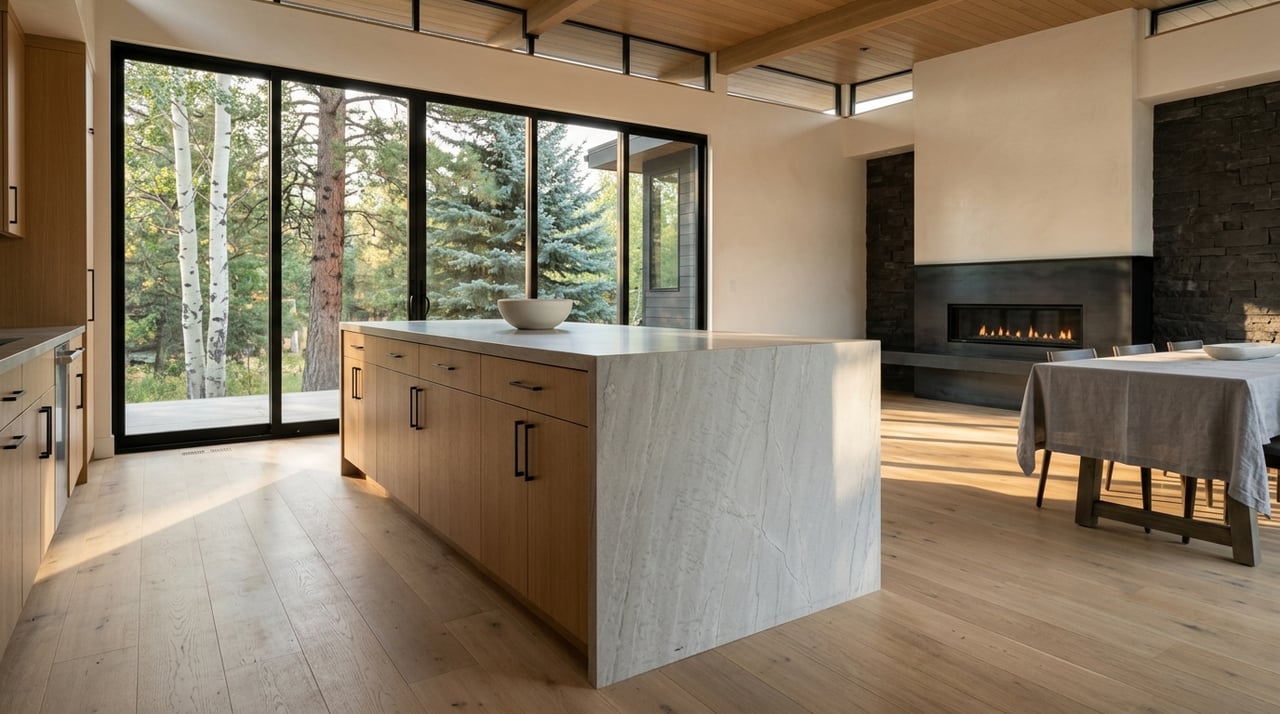
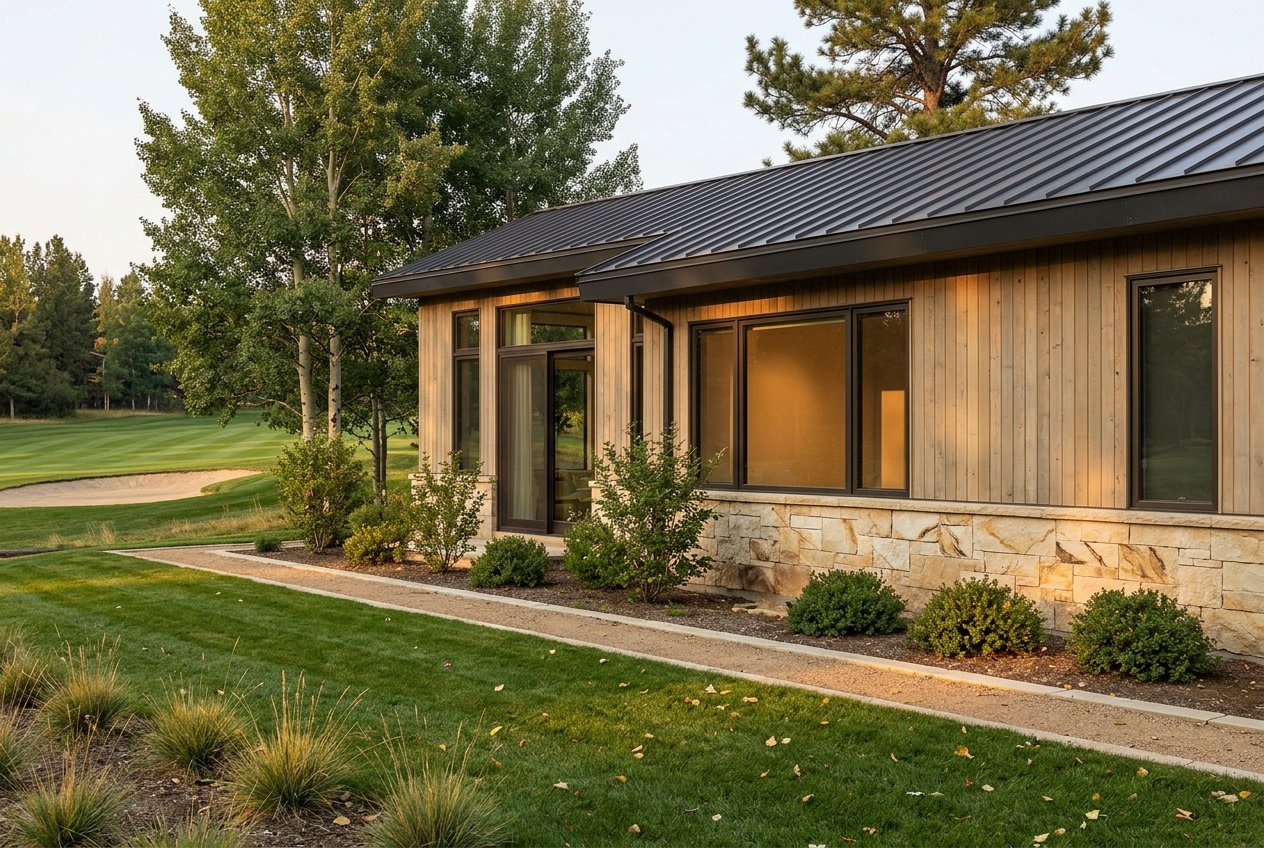
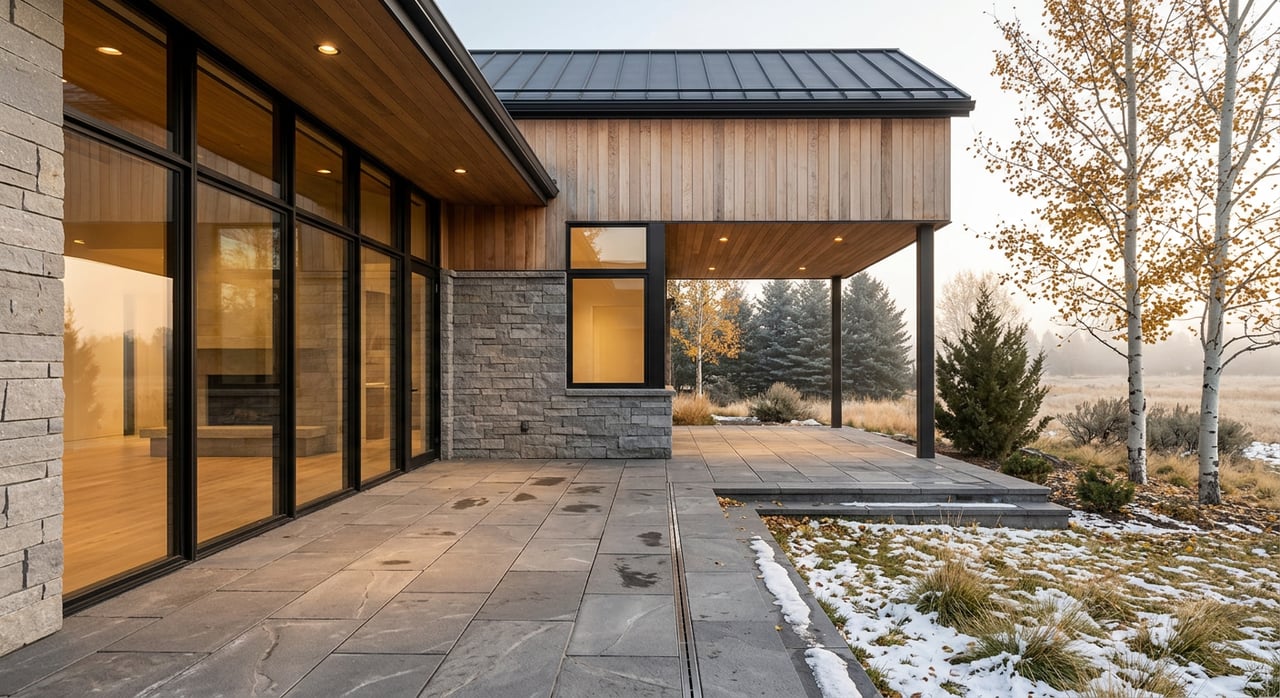
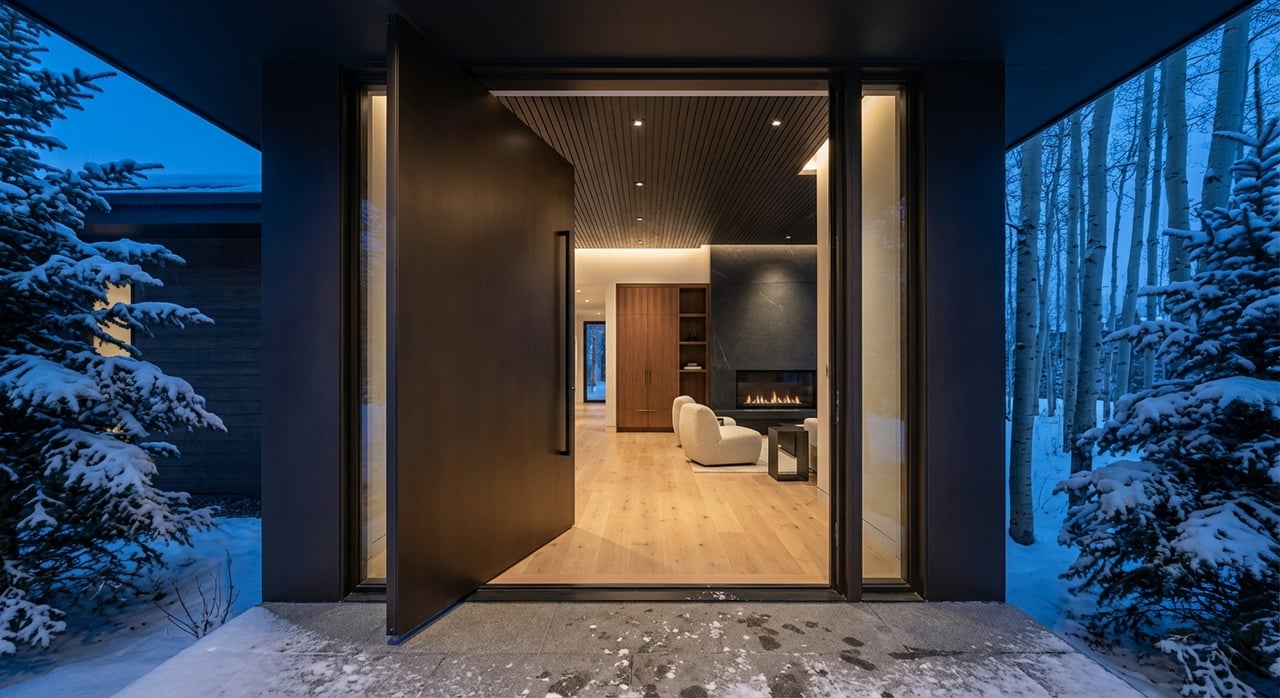
The Colony is an ultra‑luxury, gated mountain estate community in the Park City area of Summit County. You can expect privacy, large acreage homesites, and custom residences shaped by architectural review and covenants. Owners typically value on‑mountain proximity, expansive views, and high‑end features like ski rooms, heated driveways, and generous outdoor living spaces. An owners association commonly oversees gates, roads, snow removal in common areas, security features, and design standards; confirm current policies and dues directly with the HOA.
Winter: ski season rhythm
Daily life and mountain access
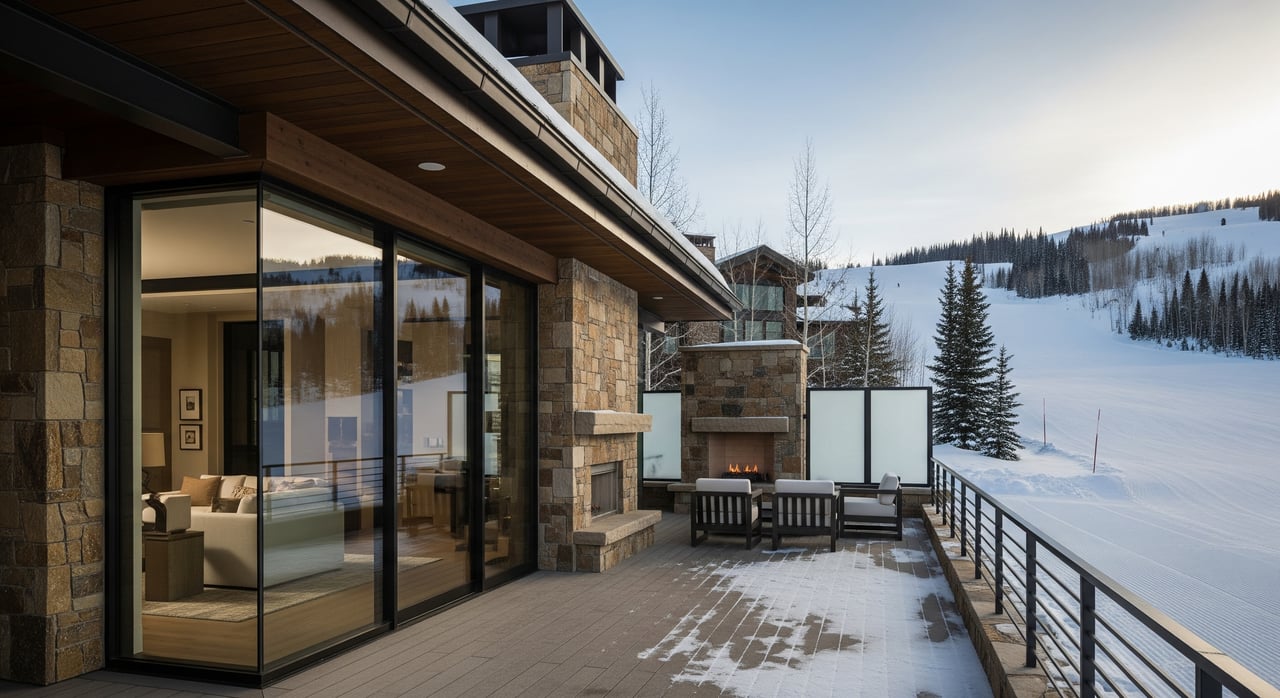
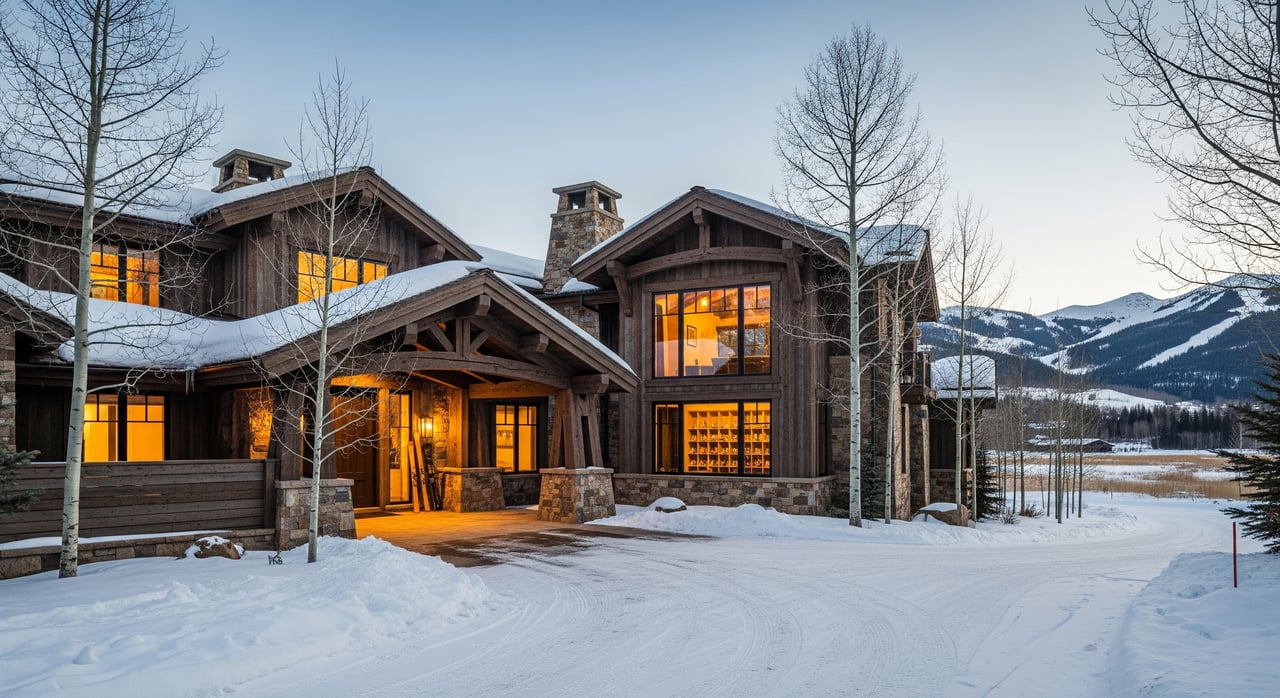
Winter life centers on the snow. Mornings often begin with boot warmers, gear checks, and a quick route to lift access or designated ski easements where available. Many owners plan their day around skiing, then return for quiet afternoons, in‑home entertaining, or après with friends. Access specifics can vary by property, so verify deeded access, routes, and operating details for each lot or home.
Snow management and mobility
Steady snowfall is part of the appeal and the routine. Owners typically arrange private driveway plowing and snow storage, while the HOA manages community roads and gates. All‑wheel drive vehicles and winter tires are standard. Keep a winter readiness kit and plan for flexible timing during heavier storms.
Service calendar for winter
Service demand peaks during ski season. Housekeeping, grocery delivery, property management, private chefs, and childcare teams are often booked well in advance. If you are a part‑time resident, schedule regular home checks and coordinate pre‑arrival stocking so the house is warm, safe, and ready when you are.
Spring: reset and prep
Shoulder‑season shift
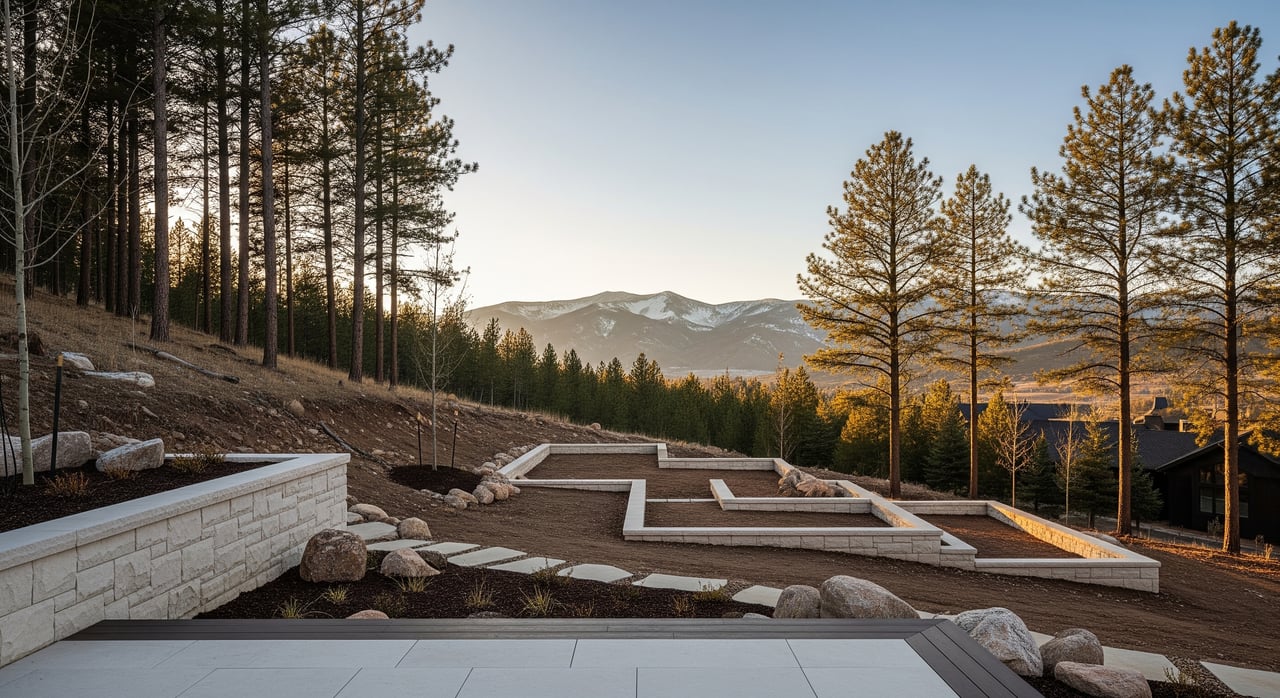
Spring brings a mix of melt and sunshine. Lower‑elevation hiking opens first, while higher trails transition later. You will feel the valley wake up slowly, with more room to breathe between winter crowds and summer visitors. It is a good time to fine‑tune the home before outdoor season hits full stride.
Property maintenance checklist
- Inspect roofs, gutters, and downspouts after snow load.
- Evaluate drainage and any spring run‑off patterns around your lot.
- Schedule septic and well checks if applicable.
- Update landscaping plans for the growing season.
Market moments in spring
High‑end buyers often tour in spring to secure summer occupancy. Sellers prep properties for longer daylight showings and refreshed landscaping. If you plan to list, schedule photography when snow recedes and views open up.
Summer: trail‑centric living
Daily life outdoors
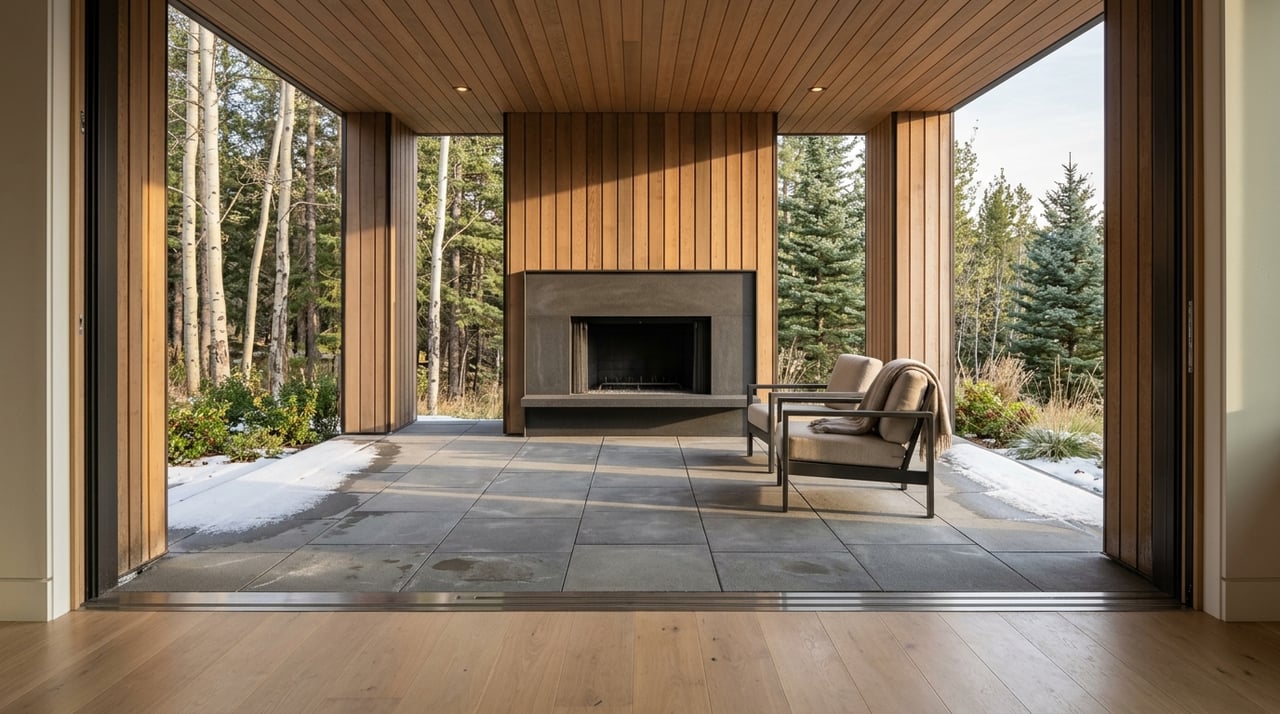
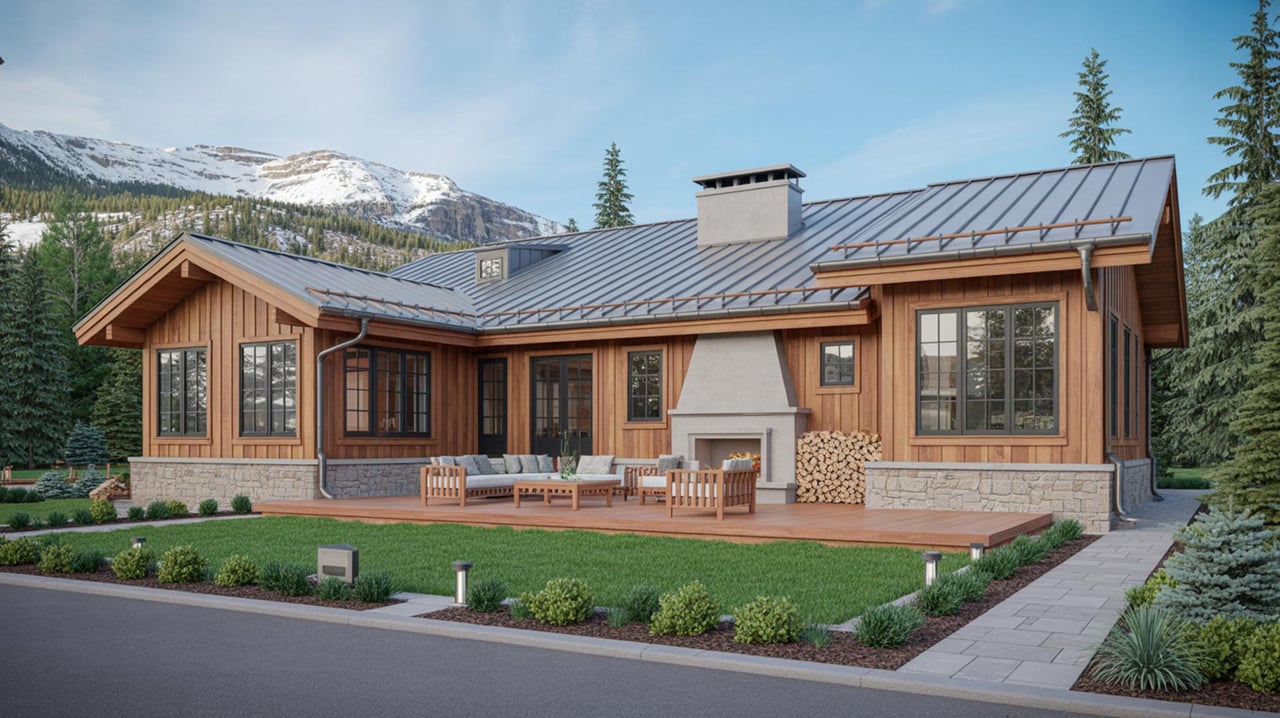
Long days make summer a favorite for many owners. You can step onto nearby trails for hiking, running, or mountain biking, then return for patio brunches and evening gatherings around the fire. Families and guests often cycle through, so plan sleeping arrangements, shaded outdoor seating, and storage for bikes and gear. It is an easy season to go car‑light when trails and open space are at your doorstep.
Safety and landscape care
Summer is the time to invest in wildfire defensible space. Work with vendors on chipping, mowing, and thoughtful planting around the home. Dial in irrigation schedules and verify whether your water is via private well or community systems. A well‑kept landscape frames the home beautifully and supports long‑term property health.
Fall: color and calm
Winterizing the estate
Autumn brings crisp air and classic mountain color. It is also your cue to winterize. Shut down or blow out irrigation, service heating systems, and confirm snow contracts are in place. Restock firewood and test generators or backup systems before the first storm.
Real estate timing
Many sellers list in fall to capture buyers aiming for winter occupancy. Buyers often visit to evaluate snow management plans, access routes, and ski logistics before the first big snowfall. A focused fall inspection can set clear expectations for winter life.
Practical considerations
Access and travel
Living in a gated, on‑mountain setting can change your routines. Daily commuting is possible but weather dependent, especially in peak winter. Some owners keep an extra vehicle in town during heavy snow periods. Verify driving distances to Park City’s Main Street, resort bases, and Salt Lake City International Airport, and plan for seasonal variability.
Roads, gates, and emergency access
The HOA typically coordinates road and gate maintenance and may manage snow plowing for common areas. Ask how guest access is handled and whether gates are staffed or remotely monitored. Confirm emergency access protocols so first responders can reach your property during storms without delay.
Utilities and connectivity
Mountain estates often rely on a mix of utility solutions. Confirm electricity provider, internet options, and cell coverage for your specific lot. Check whether natural gas is available or if homes use propane, and whether you have a private well and septic or community systems. If you work from home, test connectivity at the property and explore redundancy options.
Insurance and environmental awareness
High‑value homes usually require tailored homeowners and umbrella policies. Ask your insurer about wildfire coverage and any mitigation credits available. Review local hazard information, including wildfire and avalanche resources, and understand drainage or run‑off patterns on and around your site. Preparedness and prevention can reduce risk and protect long‑term value.
HOA rules and resale
Architectural guidelines and covenants help preserve the neighborhood’s character. These rules can enhance resale value but may limit flexibility on exterior materials, tree removal, and rental activity. Before you buy, review short‑term rental policies and any owner‑occupancy requirements. Clear understanding of easements, road agreements, and maintenance responsibilities supports smoother ownership and resale.
Buyer and owner checklists
What to verify before you buy
- Access: Deeded ski or trail easements, proximity to resort bases, and winter driving needs.
- Utilities: Water source, septic or sewer, gas or propane, and reliable internet options.
- Site logistics: Snow storage capacity, driveway slope, and sun exposure for melt.
- Environmental: Wildfire defensible space, slope stability, and drainage patterns.
- HOA: Dues, gate protocols, design guidelines, and rental rules.
Questions to ask the HOA
- What does the HOA cover for road and snow maintenance, and what falls to owners?
- How are guests, contractors, and deliveries handled at the gate?
- What are current architectural standards and the review process for changes?
- What are the short‑term and long‑term rental policies?
- Are there approved vendor lists for landscaping or snow removal?
Seasonal home management planner
- Winter: Snow removal contracts, vehicle prep, property checks during storms.
- Spring: Roof and drainage inspections, septic and well service, landscape planning.
- Summer: Irrigation tuning, wildfire mitigation, outdoor living upgrades.
- Fall: HVAC service, irrigation blowout, generator test, firewood and supplies.
Is The Colony a fit for you?
If you value privacy, land, and a home that functions as both mountain basecamp and sanctuary, The Colony offers a compelling lifestyle. The rhythm shifts with the seasons, from ski‑focused mornings to trail‑filled afternoons and quiet fall evenings. With the right planning for access, services, and maintenance, you can enjoy a smooth year‑round experience. When you are ready, partner with a local advisor who understands the nuance of lots, easements, and HOA standards.
Ready to explore properties or talk through seasonal living in detail? Schedule a Private Consultation with Tricia Cohen for tailored advice and a curated tour.
FAQs
Does The Colony guarantee ski‑in/ski‑out access?
- Access varies by lot and home. Verify deeded easements, routes, and operating details with the HOA and your agent for each specific property.
Are short‑term rentals allowed in The Colony?
- Policies are set by the HOA and may be influenced by county rules. Review current covenants and confirm any permit requirements before you plan rentals.
How practical is commuting in winter from The Colony?
- Commuting is feasible but weather dependent. Plan for winter road conditions and confirm distances to Park City and SLC, allowing extra time during storms.
Is internet reliable for remote work in The Colony?
- Reliability depends on the providers serving your specific address. Confirm availability of fiber, cable, fixed wireless, or satellite, and test speeds on site.
Are horses or pets permitted in The Colony?
- Animal policies are governed by HOA covenants. Review current rules for pets and any equestrian allowances or restrictions before purchasing.