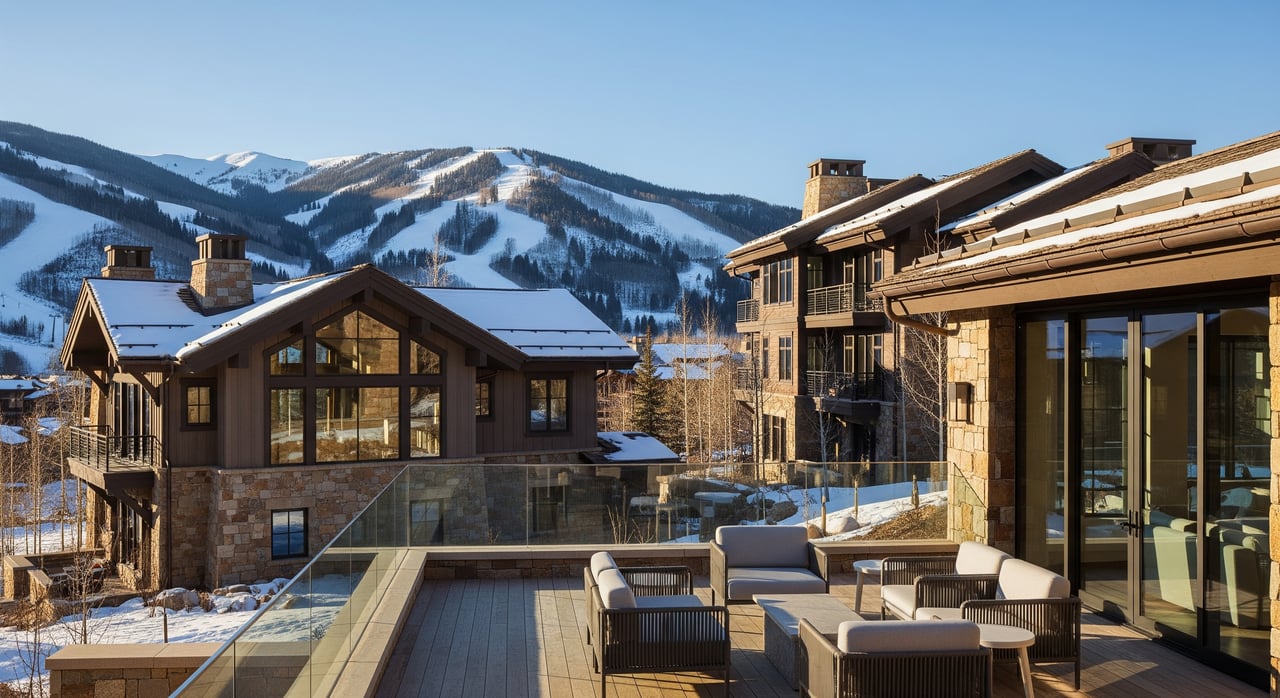
Dreaming of Lower Deer Valley but not sure if a condo or a single‑family home fits your lifestyle? You are not alone. Buyers often weigh convenience, privacy, ski access, and rental flexibility before deciding. In this guide, you will compare the key tradeoffs, see how ownership costs stack up, and learn what to review so you can choose with confidence. Let’s dive in.
Quick comparison snapshot
| Factor | Condo | Single‑Family Home |
|---|---|---|
| Price entry | Typically lower entry point | Typically higher due to land and privacy |
| Maintenance | Exterior handled by HOA; interior is yours | You handle all maintenance or hire services |
| HOA scope | Often broad, may include snow removal, amenities, reserves | Often limited or none; may cover roads or architectural controls |
| Ski access | Many developments offer ski‑in/ski‑out or shuttle | Some may require a short drive or shuttle |
| Storage | Shared ski lockers, limited in‑unit storage | Mudrooms, garages, and more private storage |
| Parking | Assigned or garage spaces; guest rules vary | Private driveway or garage; you manage snow |
| Financing | Project eligibility can affect loans | Usually more straightforward |
| Rentals | Often strong for ski‑adjacent units; rules vary by HOA | Larger group bookings possible; rules vary by HOA and jurisdiction |
| Privacy | Moderate, shared walls and common areas | Higher privacy and potential for expansion |
| Appreciation drivers | Location, amenities, HOA health | Land scarcity, views, lot value |
Price and value in Lower Deer Valley
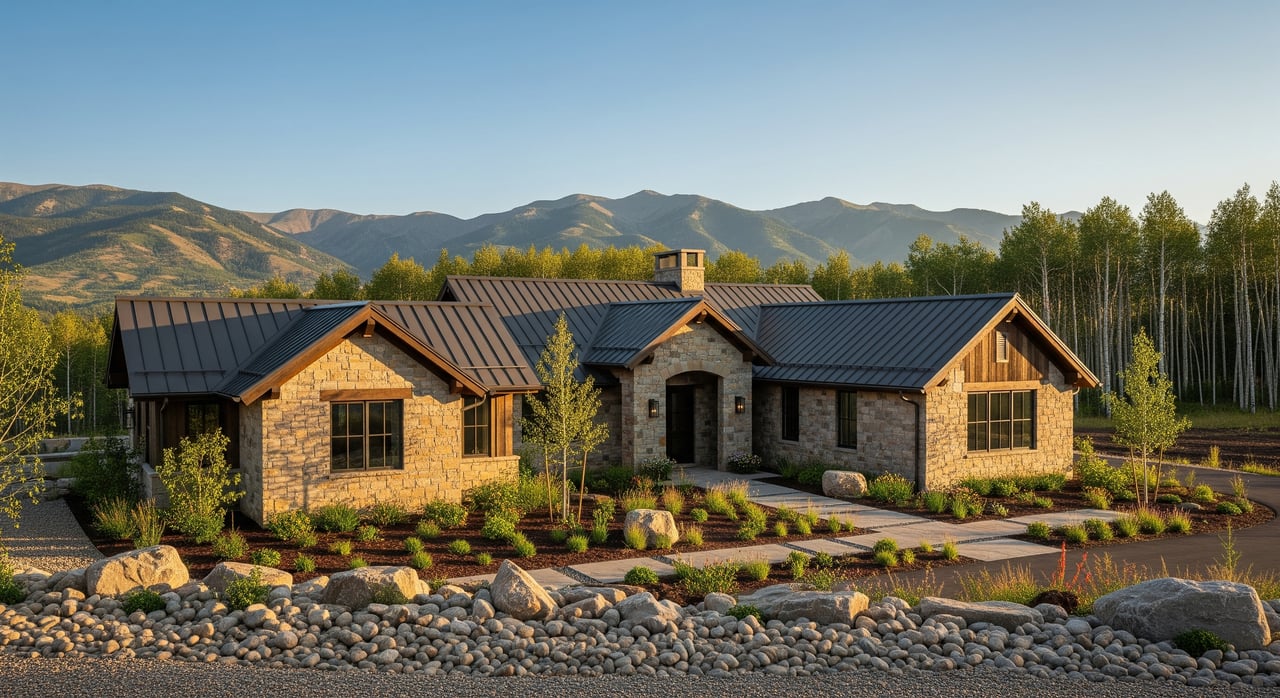
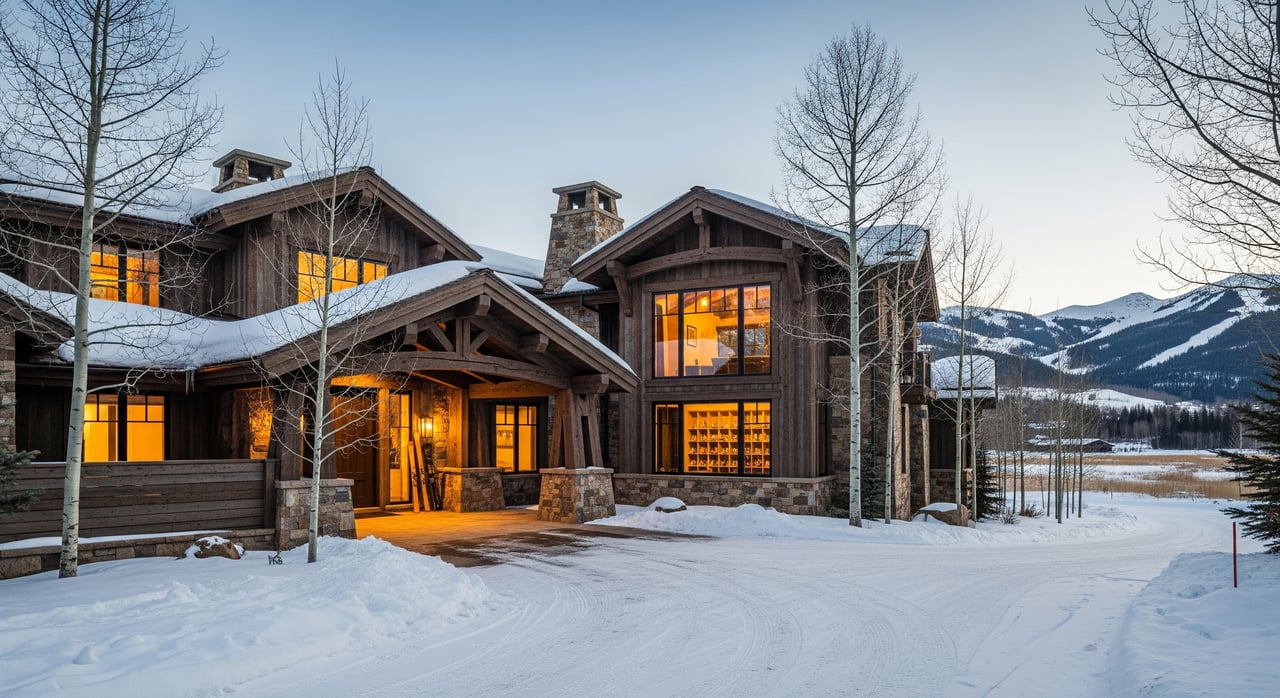
Single‑family homes in Lower Deer Valley typically command a premium. Land, privacy, views, garages, and potential to expand often drive higher valuations. Condos are usually the more affordable entry point if you want Deer Valley proximity without the responsibility of a standalone property.
Inventory can feel tight, especially for slope‑adjacent or amenity‑rich condo projects. Market cycles from 2020 to 2024 saw strong demand for mountain second homes and investment properties. For current median prices and days on market, consult the latest local MLS statistics before you write offers.
Ownership costs to compare
Purchase and financing
For single‑family homes, conventional financing is usually straightforward. Condo financing can require extra underwriting tied to project eligibility, and some loan types may need the building to be approved. If a condo project has heavy commercial use, high non‑owner occupancy, or pending litigation, appraisal and approval can be more challenging.
Ongoing costs
- HOA dues. In condos, dues often fund building envelope, roof, landscaping, snow removal, shared amenities, reserves, and some insurance. Budgets vary widely, and special assessments are possible, so review the HOA’s documents closely. Some single‑family communities have minimal HOAs focused on roads or design standards.
- Property taxes. Summit County levies property taxes on both property types. Utah’s effective rate has historically been lower than many U.S. states, but local mill rates vary, so confirm the current figures before you buy.
- Insurance. Condo owners usually carry an HO‑6 policy for interior improvements and personal property. What you need depends on the HOA master policy type. Single‑family owners carry broader HO‑3 or HO‑5 coverage for the structure and detached structures, which can cost more in mountain climates. Added coverage may be required where flood, avalanche, or wildfire hazards exist.
- Utilities and services. Single‑family owners typically pay all utilities and services directly. Some condos include certain utilities in the HOA or use master meters.
- Maintenance and snow. For single‑family homes, plan for routine upkeep and winter operations like plowing and heated driveway costs if applicable. Condos handle exterior work through the HOA, while you manage your interiors.
Taxes if you rent
Short‑term rental income is usually subject to lodging taxes and income tax. Owners who rent may be able to depreciate the dwelling and deduct eligible expenses. Consult a CPA to structure your approach correctly.
HOA scope and risk
What HOAs cover
Condo HOAs often manage exterior maintenance, roofs, common areas, landscaping, snow removal, elevator service, and shared amenities like spas, pools, gyms, and ski lockers. Some luxury developments add concierge, shuttle, and housekeeping programs. Single‑family HOAs, if present, may focus on roads, gated access, or architectural controls, with fewer amenities.
How to assess HOA health
Request and review the budget, income and expense statements, reserve study, insurance certificates with policy type and deductibles, and a history of special assessments or planned capital projects. Check meeting minutes and any litigation disclosures. These details affect both your risk and lending options.
Rules that affect use
Many HOAs specify short‑term rental rules. Some allow rentals, others prohibit or limit stays with minimum nights or occupancy caps. Parking, guest, and noise policies can also affect how you and your renters use the property.
Ski convenience and daily life
Proximity and access
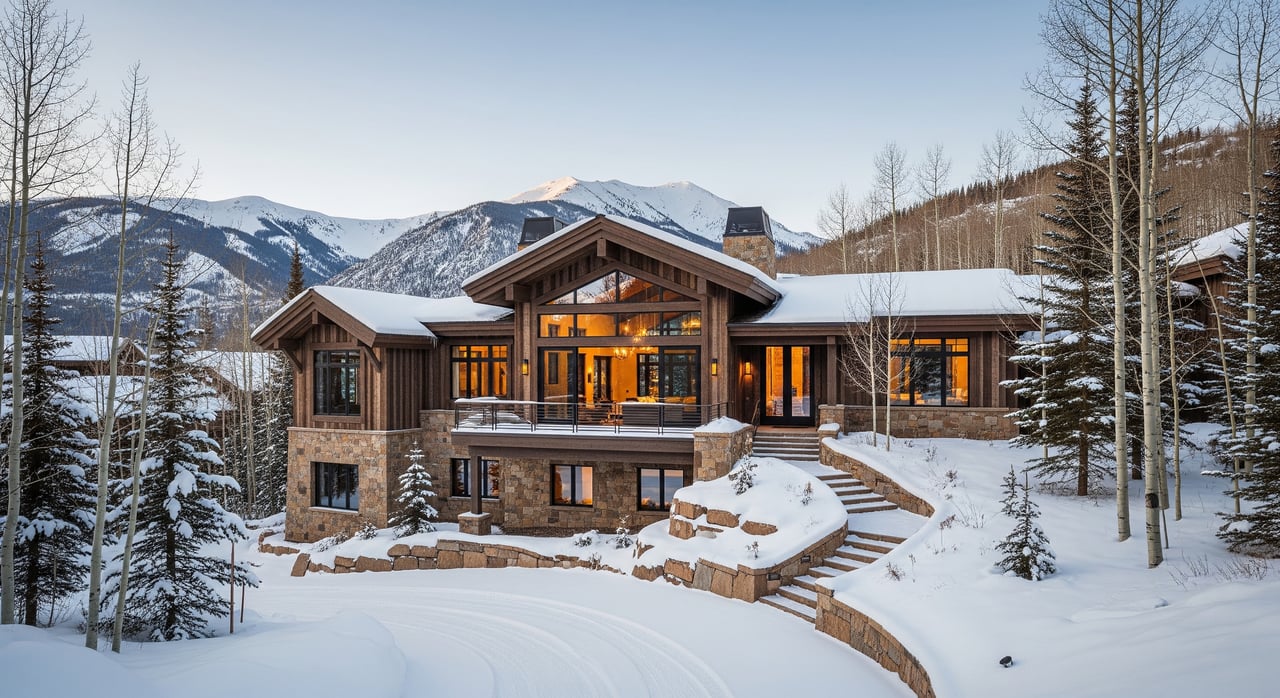
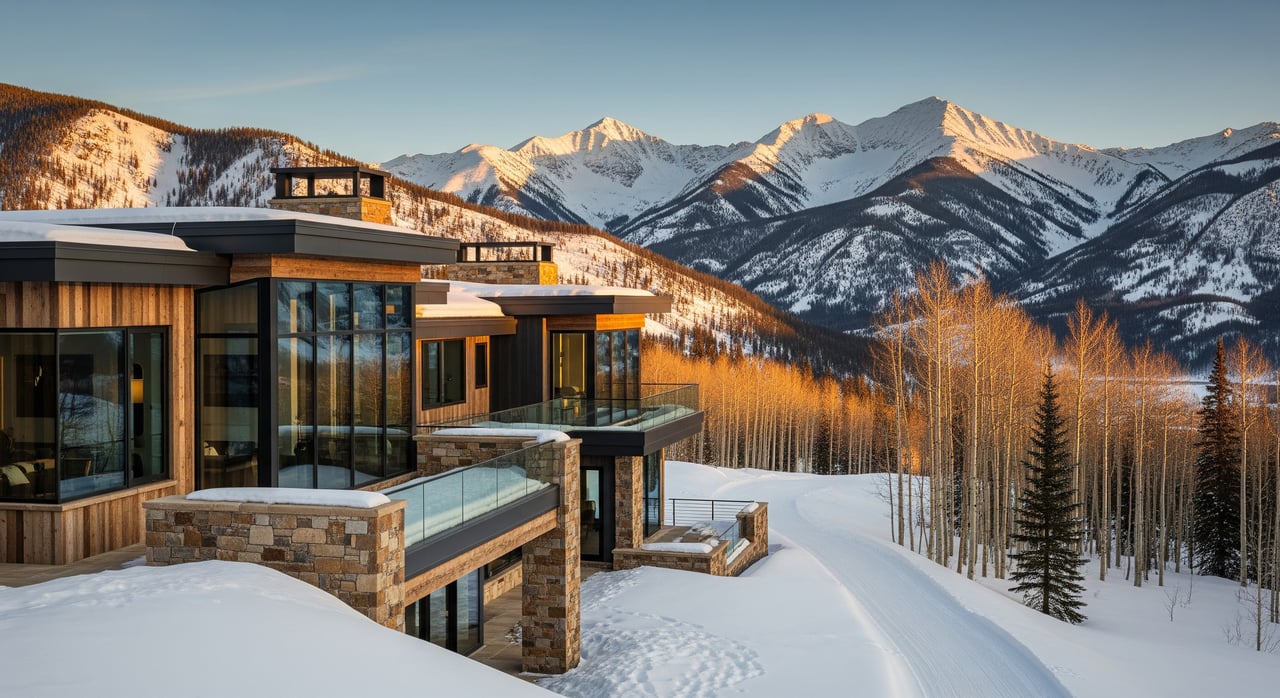
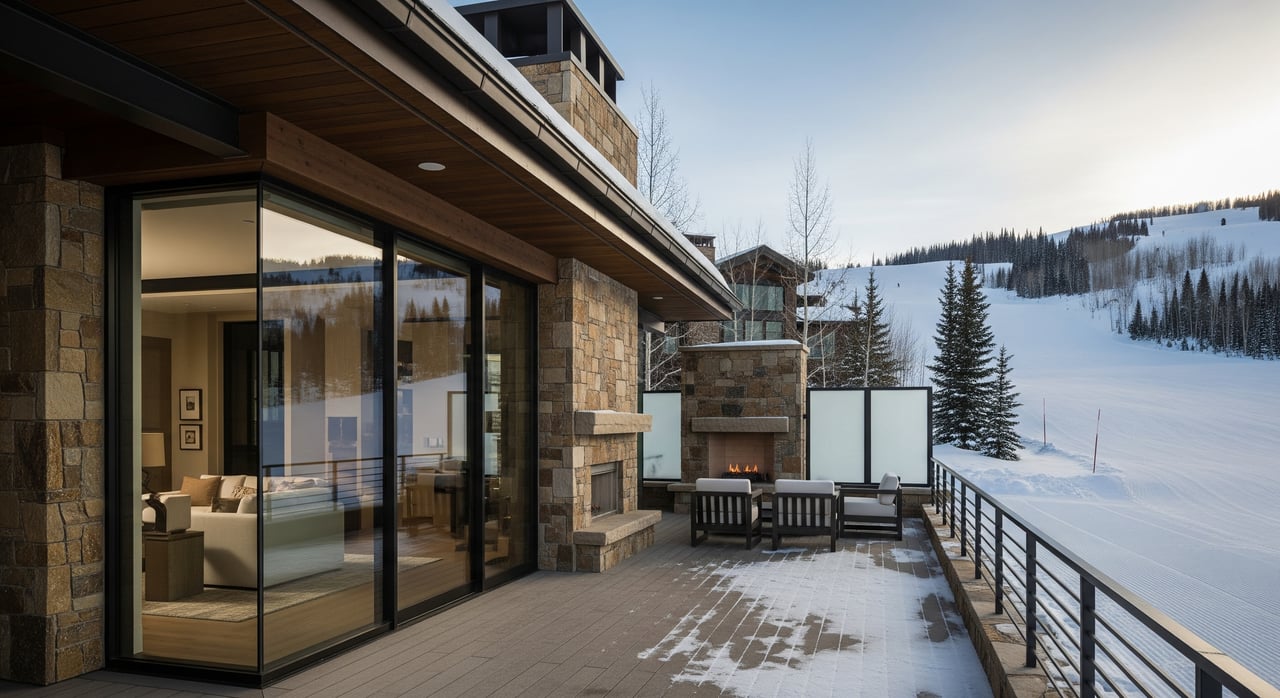
Many Lower Deer Valley condos offer direct or easy access to the slopes, often with shuttles or valet support. Single‑family homes can deliver panoramic views and privacy, though some are set back from lifts and require a short drive or shuttle.
Storage and gear management
Condos may provide shared ski lockers and limited in‑unit storage. Always check for deeded storage, locker availability, and practical layout for drying gear. Single‑family homes typically include mudrooms, garages, and heated storage that simplify family ski days.
Parking and winter access
Condo parking is often assigned, sometimes covered, and guest rules can be strict in peak season. Single‑family homes give you private garages and driveways, but you will plan for snow removal and winter access during storms.
Services and convenience
Condo communities with on‑site management, concierge, and housekeeping make excellent low‑maintenance second homes and can streamline guest turnover. With single‑family homes, you set up property management, housekeeping, and snow services independently, which offers control but requires coordination.
Rental flexibility and income
Jurisdiction matters. Properties inside Park City and those in unincorporated Summit County can be subject to different licensing, zoning, and lodging tax rules. HOA rules can be stricter than city or county regulations, so confirm both layers before you rely on rental income.
Winter brings strong demand and premium nightly rates tied to skiing and marquee events. Summer also draws visitors for hiking, biking, and festivals, while shoulder seasons are traditionally slower. Slope‑adjacent condos often command higher nightly rates per bedroom due to convenience. Larger single‑family homes can outperform on total revenue when hosting bigger groups, though vacancy can be more pronounced outside peak periods.
Operationally, condos with on‑site management and concierge simplify turnovers, laundry, and guest support. Single‑family homes commonly use third‑party managers, which affects net income. Recognize the tradeoff between revenue and volatility, and review historic performance before you buy.
Resale outlook and buyer pools
Condos appeal to buyers who prioritize convenience, amenities, and a lower absolute price point. Their resale value is influenced by location, HOA health, rental rules, and management quality. Well‑located, slope‑adjacent condos typically market well.
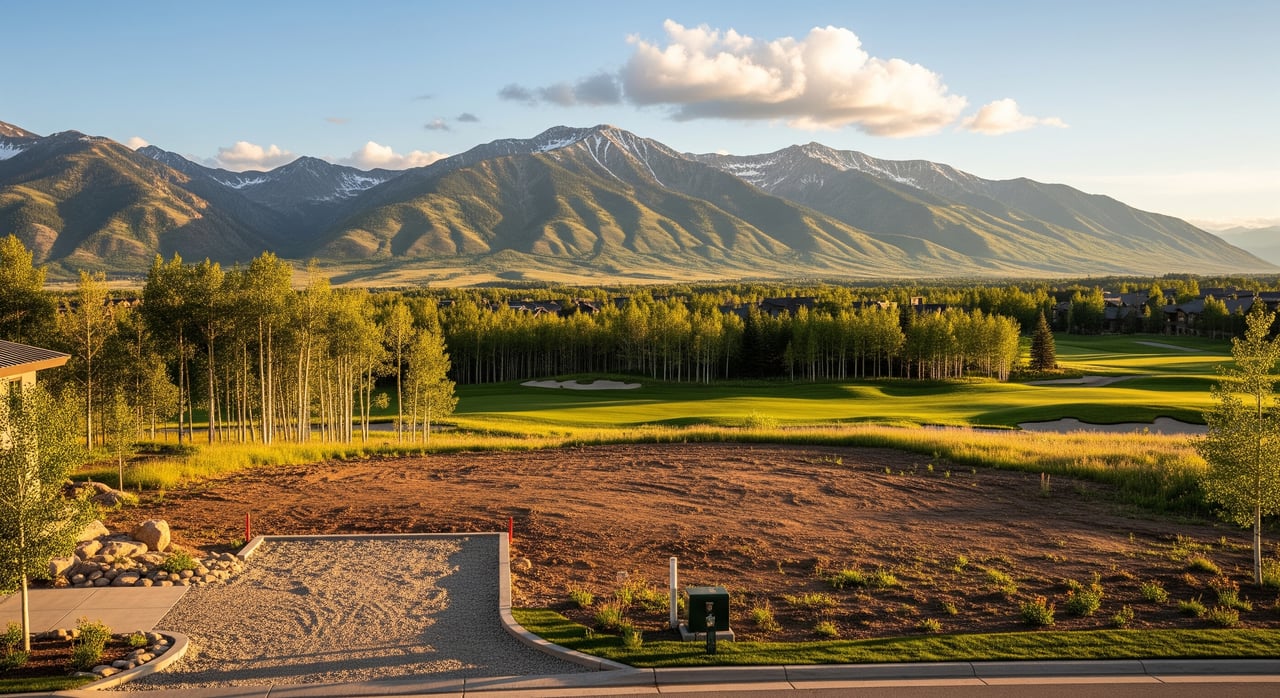
Single‑family homes on view lots are scarce and can attract buyers seeking privacy, land, and long‑term potential. Lot value and scarcity often support appreciation. Professional presentation and turnkey condition help both property types stand out in Deer Valley.
Which option fits your profile?
- You ski often and want minimal hassle. Consider a slope‑adjacent condo or a managed complex with shuttle and concierge.
- You want privacy, storage, and year‑round living. Consider a single‑family home with a garage, mudroom, and room to expand.
- You prioritize turnkey rentals. Consider a condo community that allows short‑term rentals and offers on‑site management. Verify rules and registration steps.
- You value long‑term land appreciation. Consider a single‑family home on a view lot or private parcel.
Buyer checklist before you write offers
- Confirm jurisdiction. Determine whether the address is in Park City or unincorporated Summit County and note applicable lodging taxes, licensing, and short‑term rental rules.
- Review HOA documents. Request CC&Rs, bylaws, recent meeting minutes, budgets, reserve studies, insurance certificates, rental policies, and history of special assessments.
- Verify insurance. Understand the HOA master policy type and your coverage needs. Obtain preliminary quotes for HO‑6 and HO‑3/HO‑5 for an apples‑to‑apples comparison.
- Check parking and storage. Confirm assigned spaces, guest parking rules, garage dimensions, and deeded ski lockers.
- Assess winter access. Identify who clears snow, driveway slope, and access during storms.
- Validate rental potential. Ask for historic performance, average nightly rates, occupancy by month, and booking channels if you plan to rent.
- Pre‑check lending. If buying a condo, confirm project eligibility early with your lender. For any property, discuss appraisal considerations and timelines.
- Evaluate hazards and maintenance. Review flood or avalanche maps where relevant, roof age and snow‑load mitigation, and wildfire defensible space details.
- Study recent comps. Review recent sales and days on market for both condos and single‑family homes in Lower Deer Valley to calibrate your offer.
Work with a local advisor
Choosing between a condo and a home in Lower Deer Valley is about aligning lifestyle, maintenance comfort, and rental goals. A local, concierge‑level approach helps you verify HOA health, match ski access to your routine, and structure financing and insurance correctly. If you want a private, design‑minded process grounded in neighborhood expertise, connect with Tricia Cohen to Schedule a Private Consultation.
FAQs
Are HOA fees worth it for Lower Deer Valley condos?
- They can be worthwhile for bundled services like building maintenance and snow removal, plus amenities, but you should review budgets, reserve studies, and assessment histories to understand true costs.
Can I use a Lower Deer Valley property for short‑term rentals?
- It depends on both jurisdiction and the HOA. Verify Park City or Summit County requirements and confirm the HOA’s rental rules, minimum stays, and registration steps.
Which is usually easier to finance: a condo or a home?
- Single‑family homes are typically simpler. Condo loans may require project approval and additional underwriting, especially if there is high non‑owner occupancy or pending litigation.
Will insurance cost more in a mountain environment?
- Premiums can be higher due to snow load and roof exposure. Condo owners often pay less for interior coverage, but you must account for any gaps in the HOA’s master policy.
Do condos appreciate as well as houses in Deer Valley?
- Condos can appreciate strongly in prime, well‑managed projects, but single‑family homes often carry a scarcity premium tied to land and views.
How close are Lower Deer Valley homes to the lifts?
- Many condos sit near the slopes or offer shuttle access, while some detached homes are set back and require a short drive or shuttle for lift access.