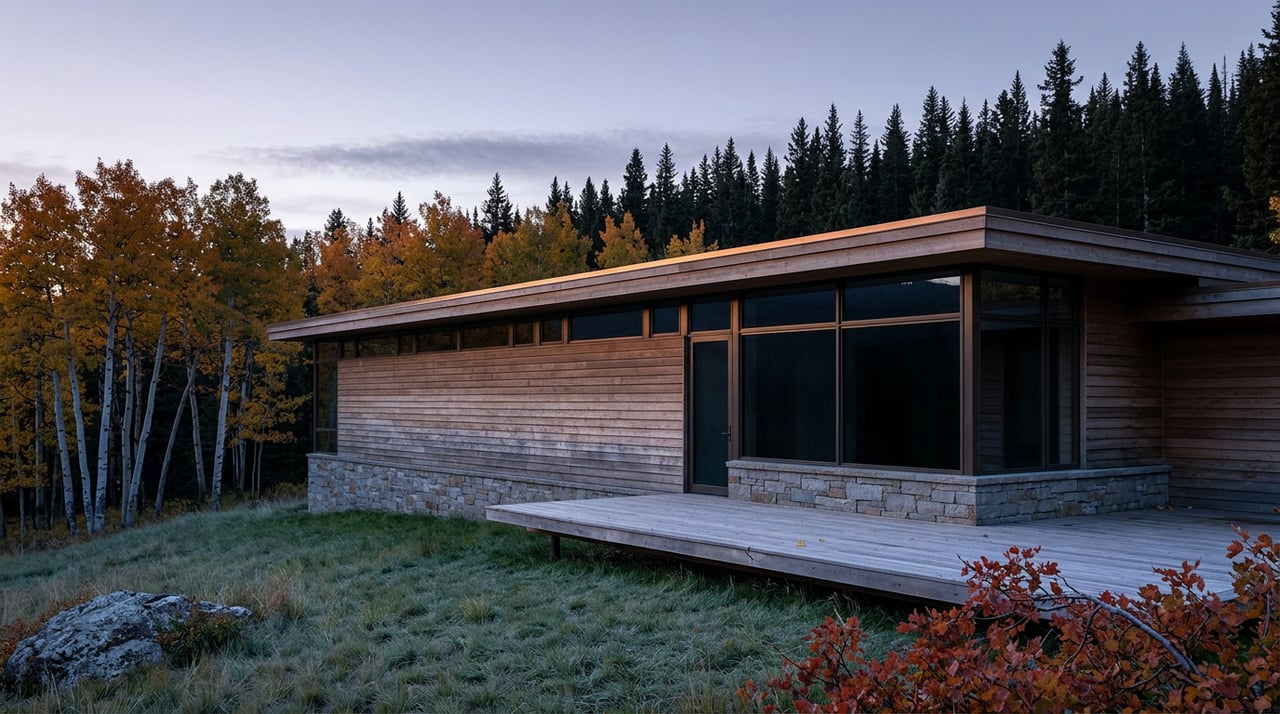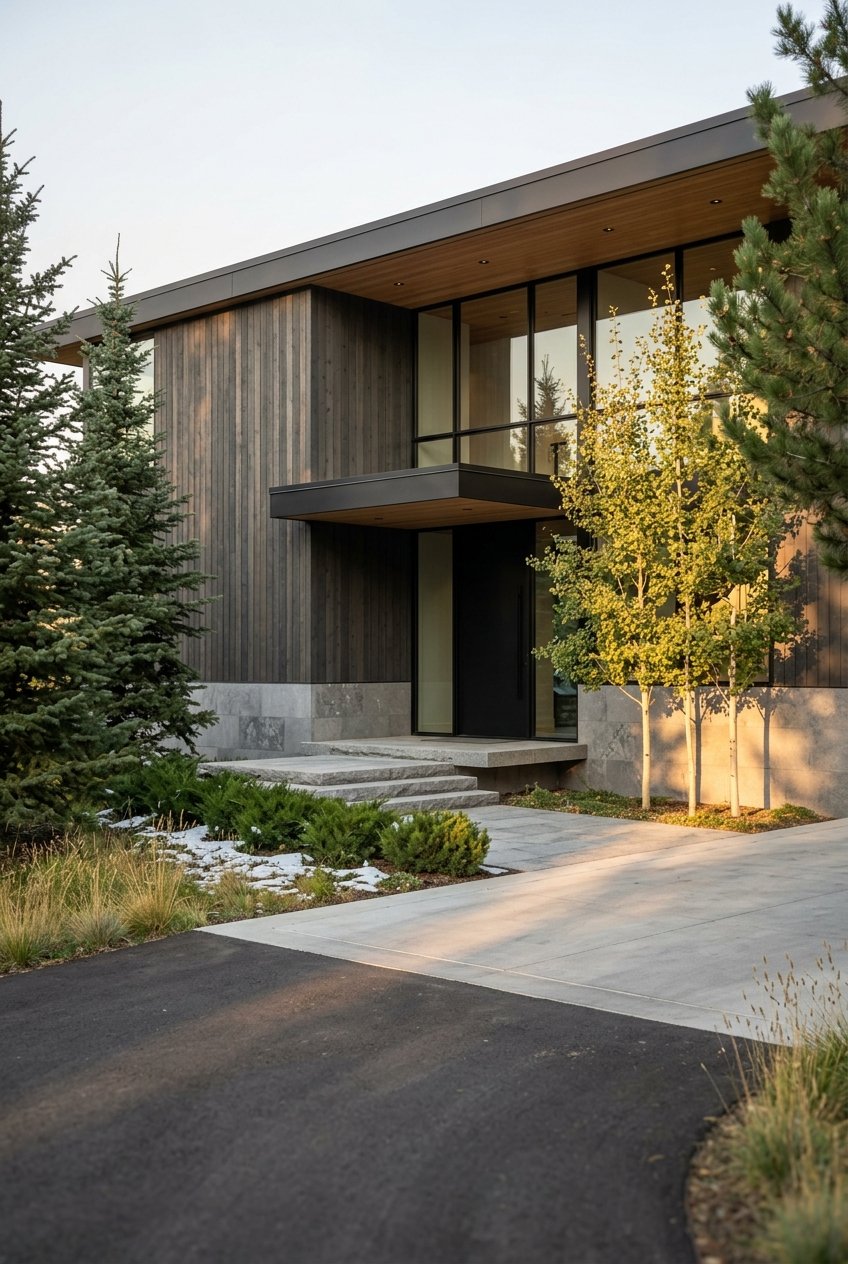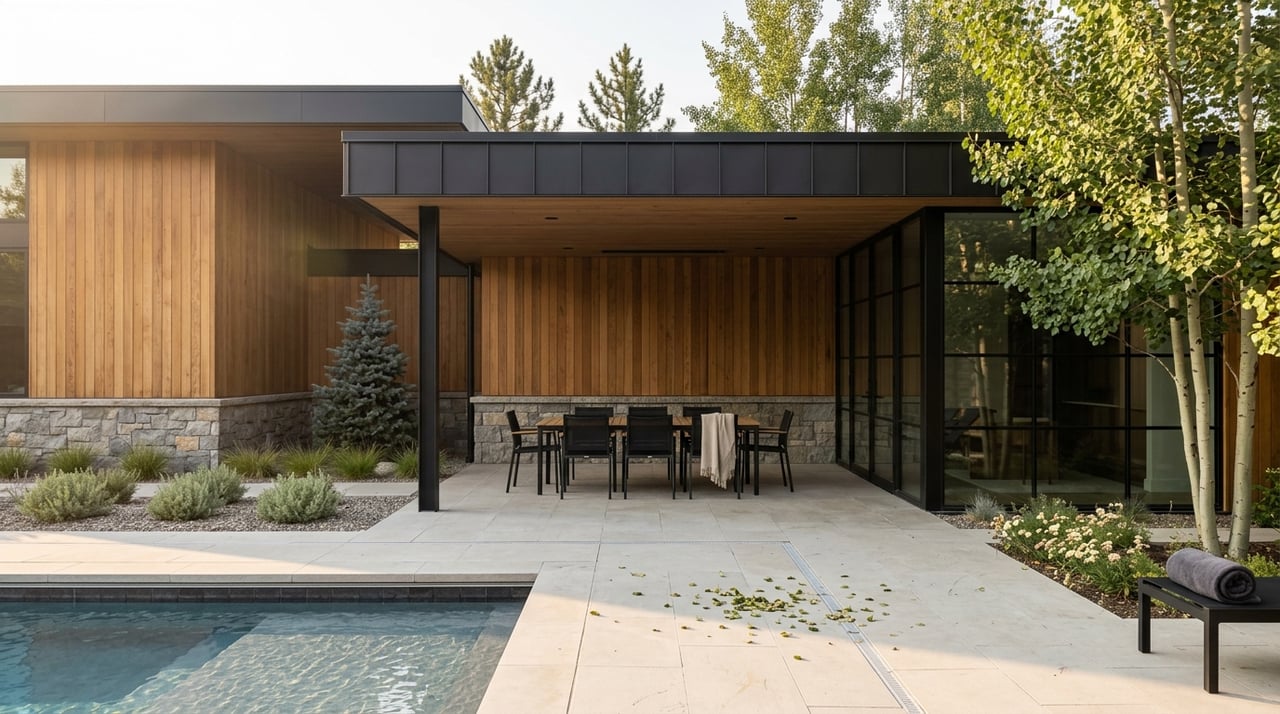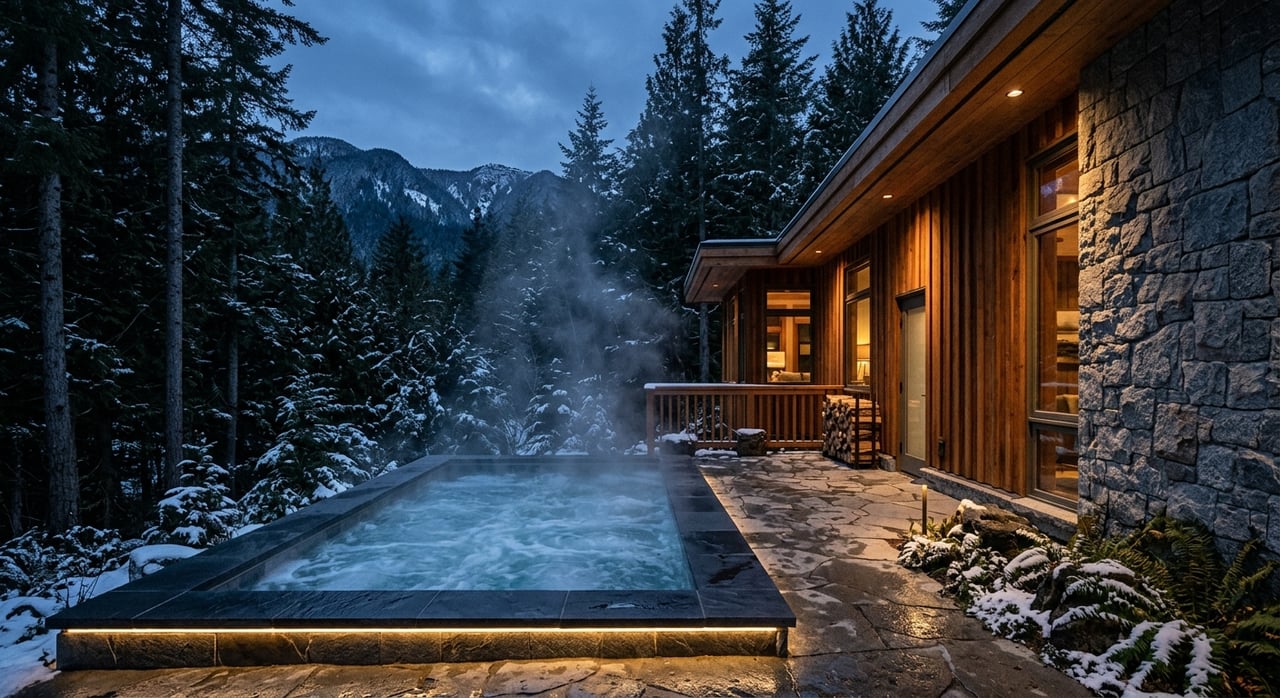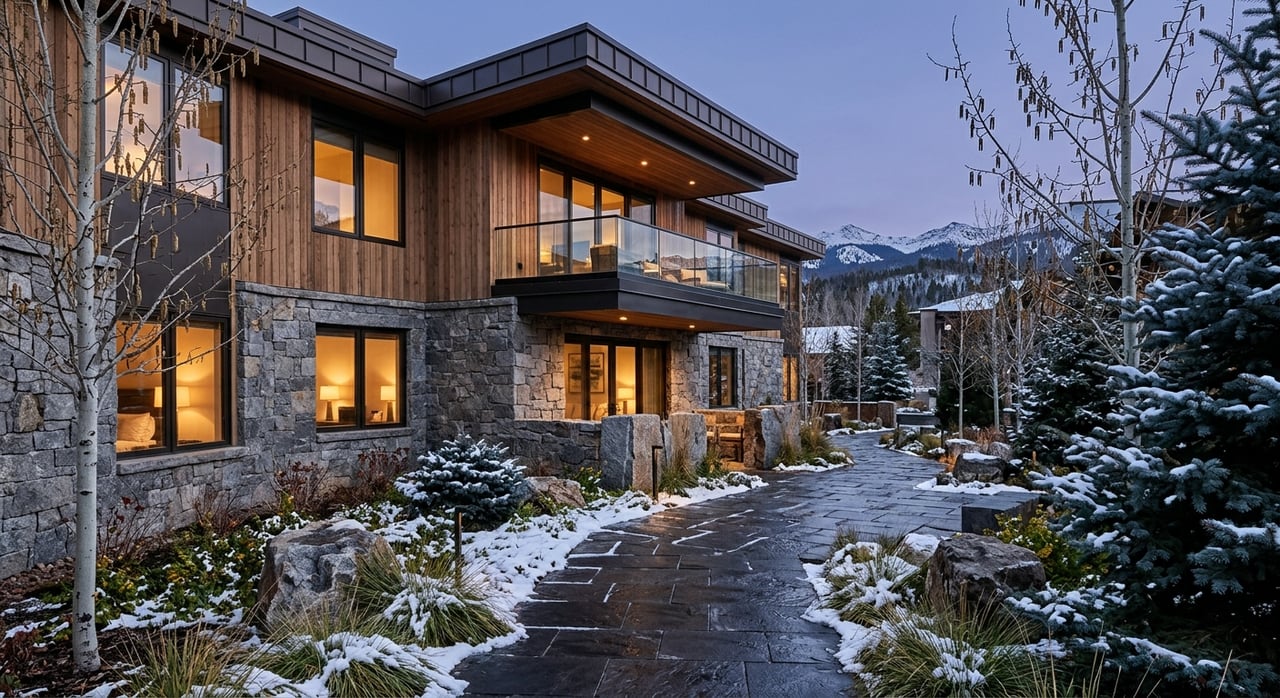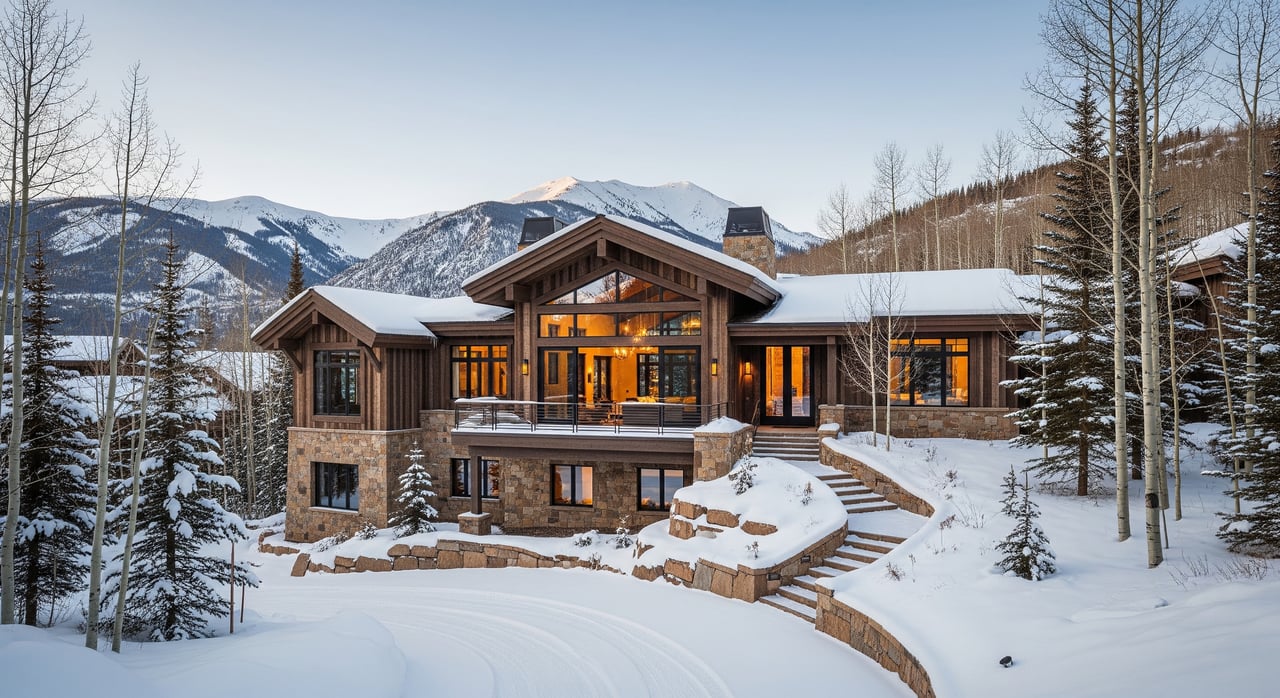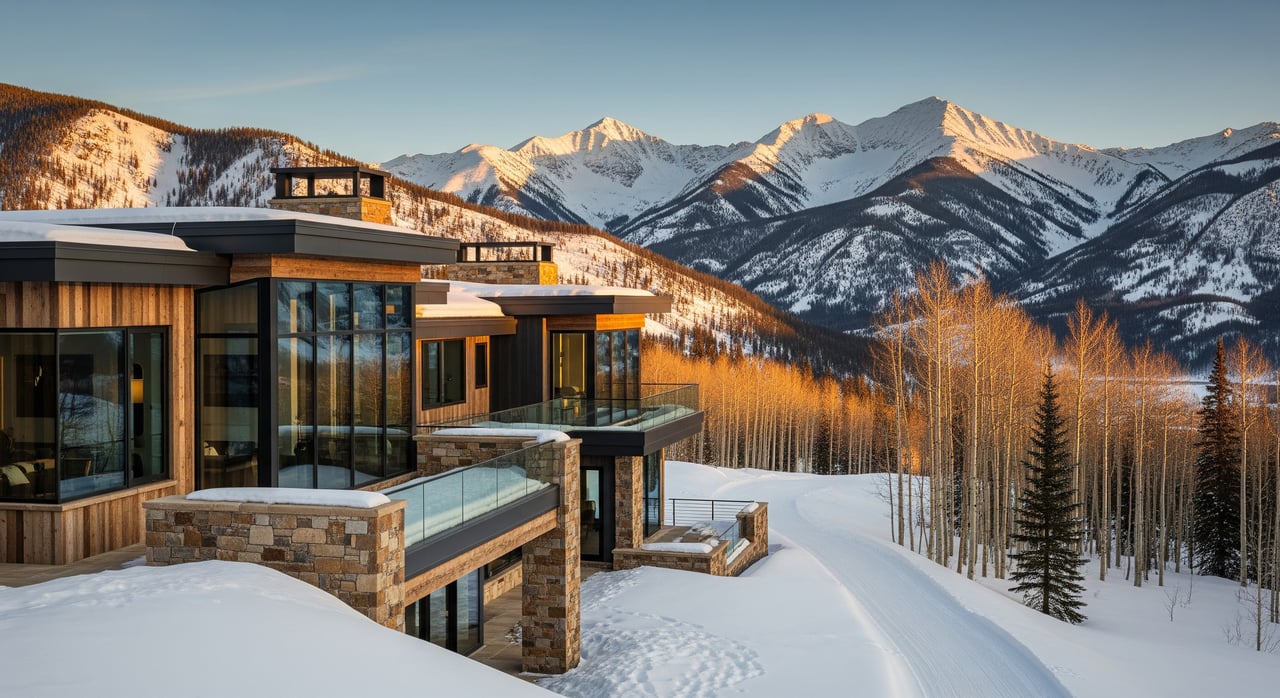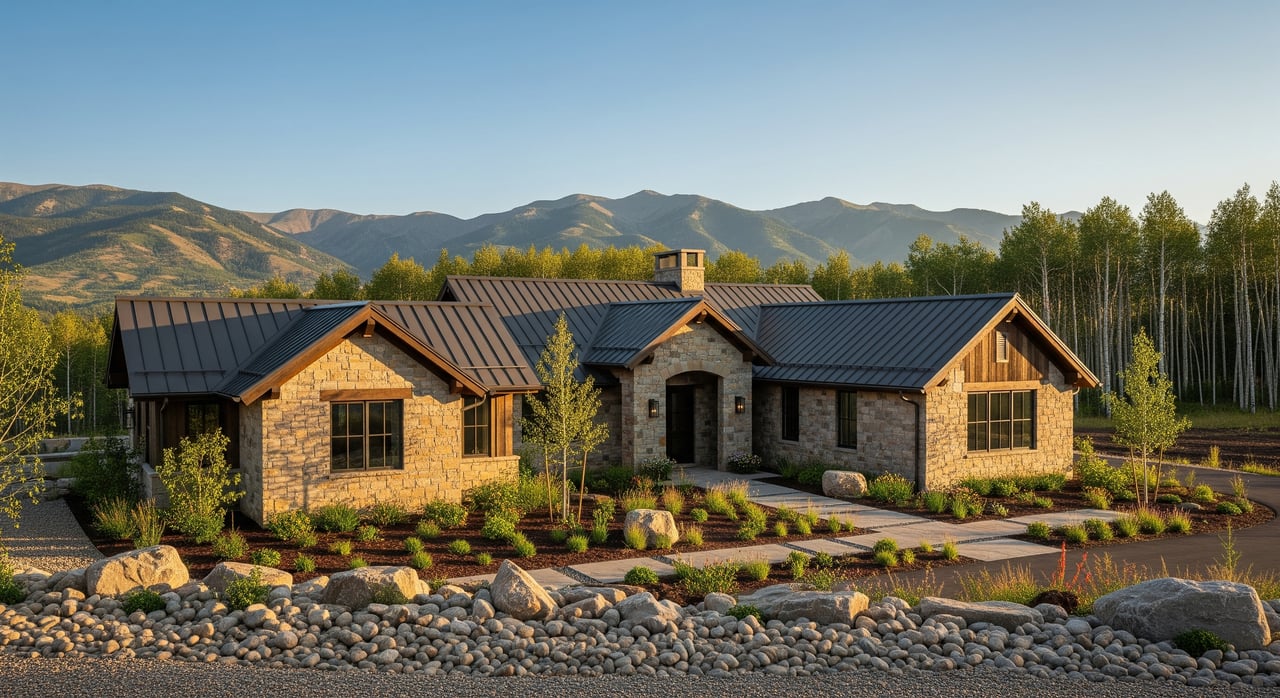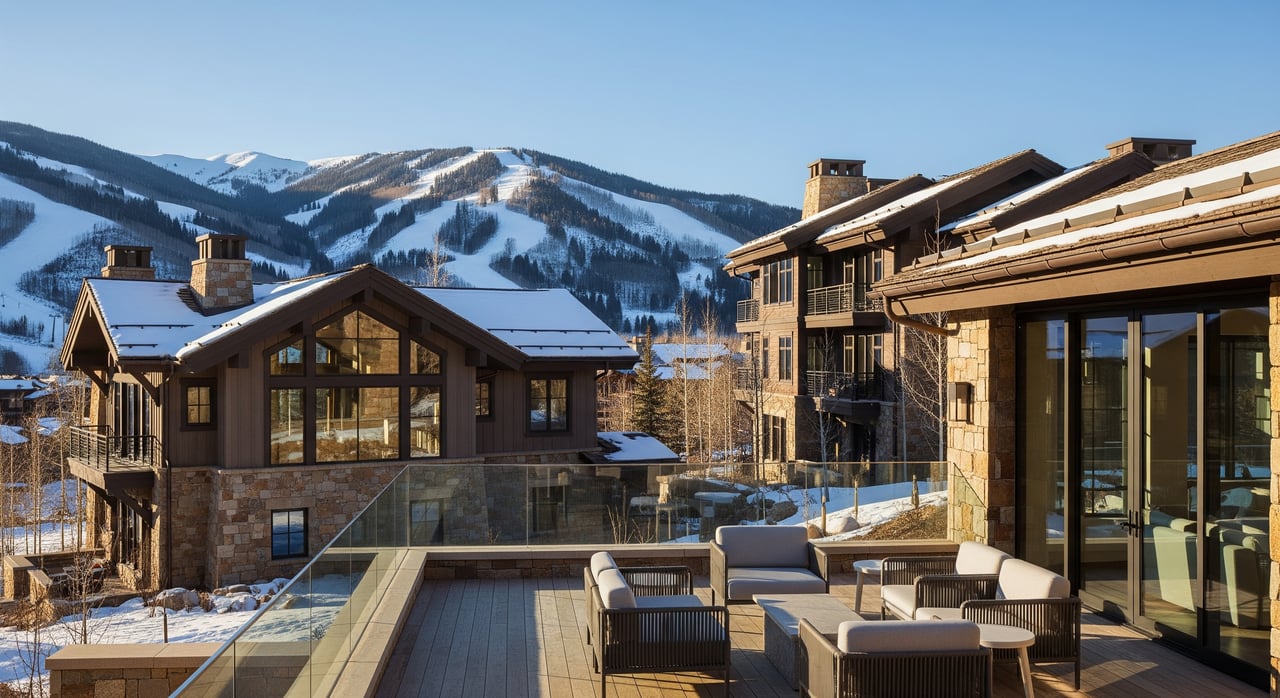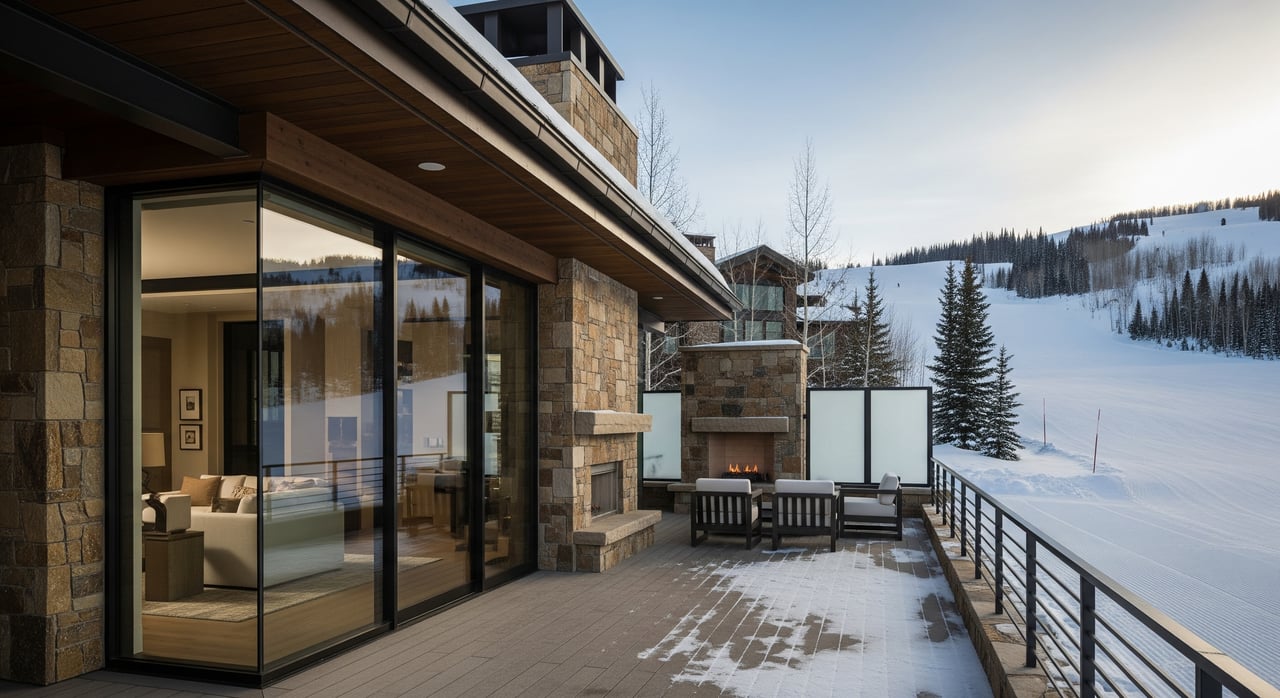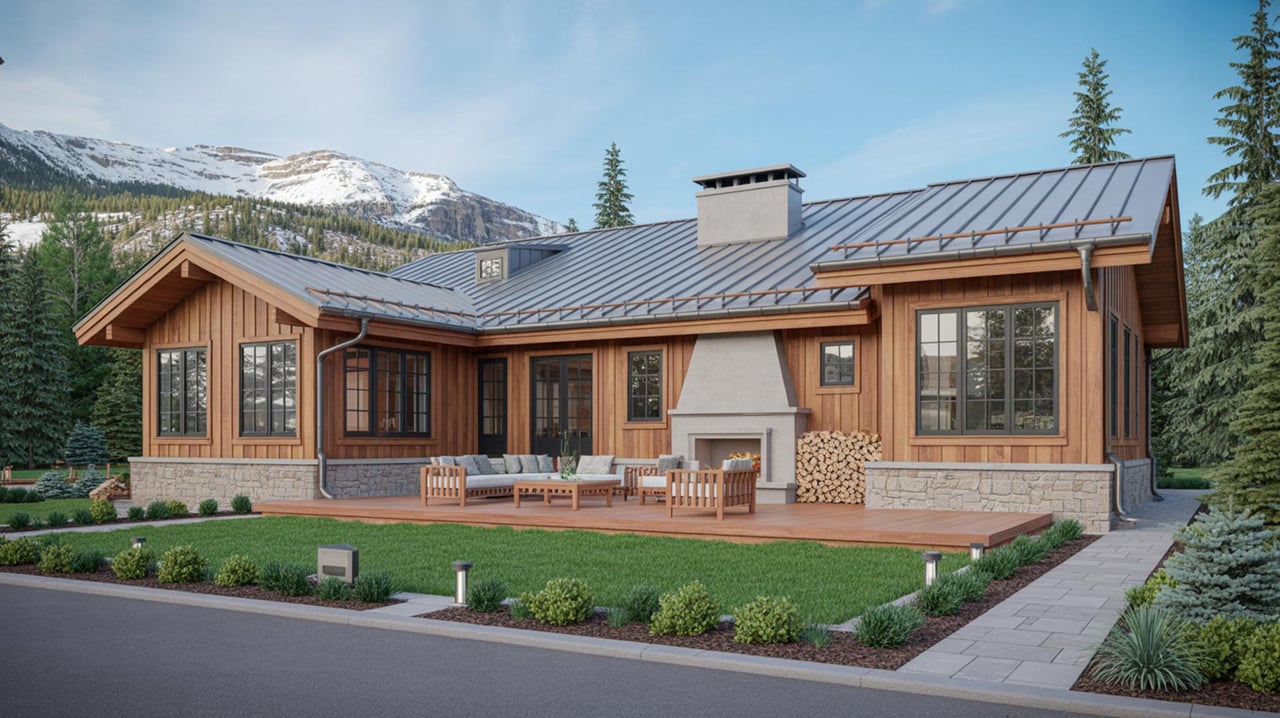
Two active listings in The Colony at White Pine Canyon can carry the same asking price and represent very different homes. One skis out from a heated patio directly onto a groomed run. The other requires a short traverse in ski boots before the pitch turns downhill. The MLS shows neither.
That gap is the reason a mid-market Colony median, currently sitting near $21.2 million on active inventory as of March 2026, is almost useless as a negotiating anchor. The number is real. It just isn't the number you're buying against.
The four inputs the sticker doesn't show
A defensible offer at this level rests on four variables the listing sheet won't quantify:
- On-snow ski-line quality for the specific parcel
- The share of Colony activity that never touches the public MLS
- Days on market read as price discovery, not softness
- The replacement-cost floor set by recent new construction
Each one moves the number materially. Together they explain why two Colony homes at $18 million can be a bargain and a stretch in the same week.
Ski access is decided on snow, not on paper
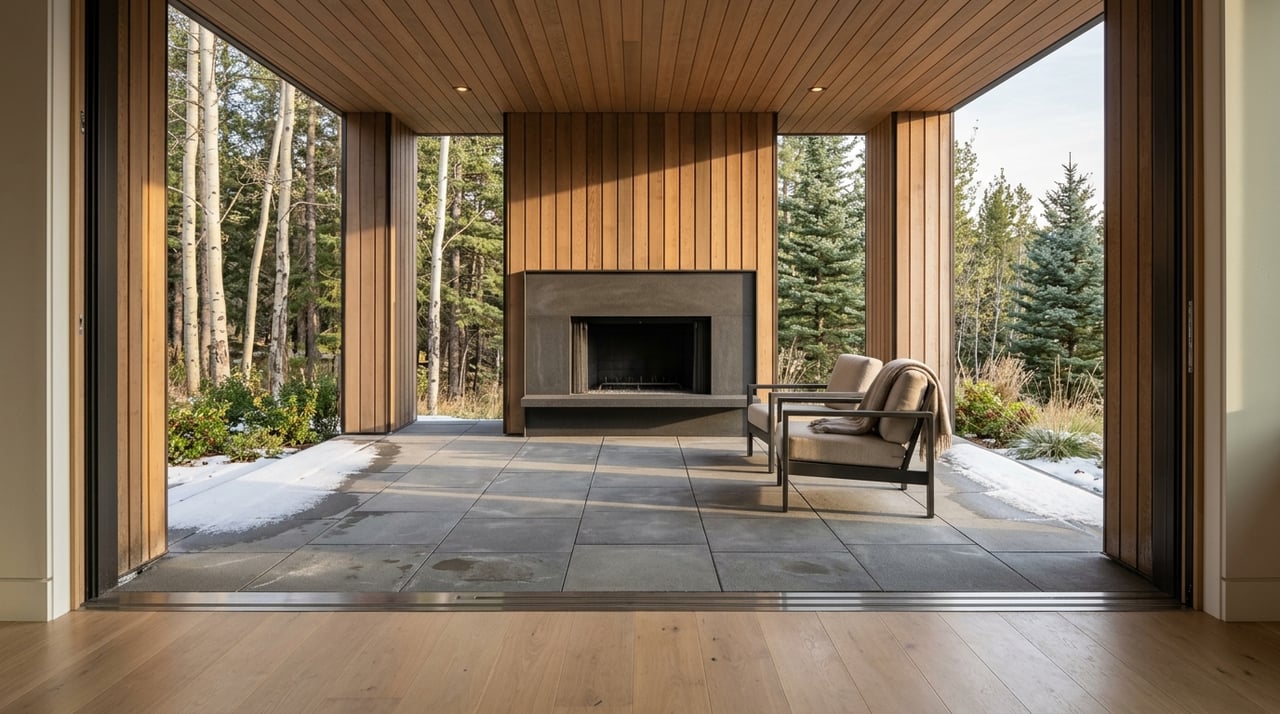
Ski access is the primary value driver at The Colony, and it varies meaningfully by property. Before writing on any Colony home, the ski line should be evaluated on snow by someone who can assess the practical winter usability of that specific parcel. The difference between a home with immediate ski-out from a heated patio to a groomed run and one that requires a short traverse is not visible on a floor plan. It is felt during ownership, and it shows up in how the home is priced when it comes back to market.
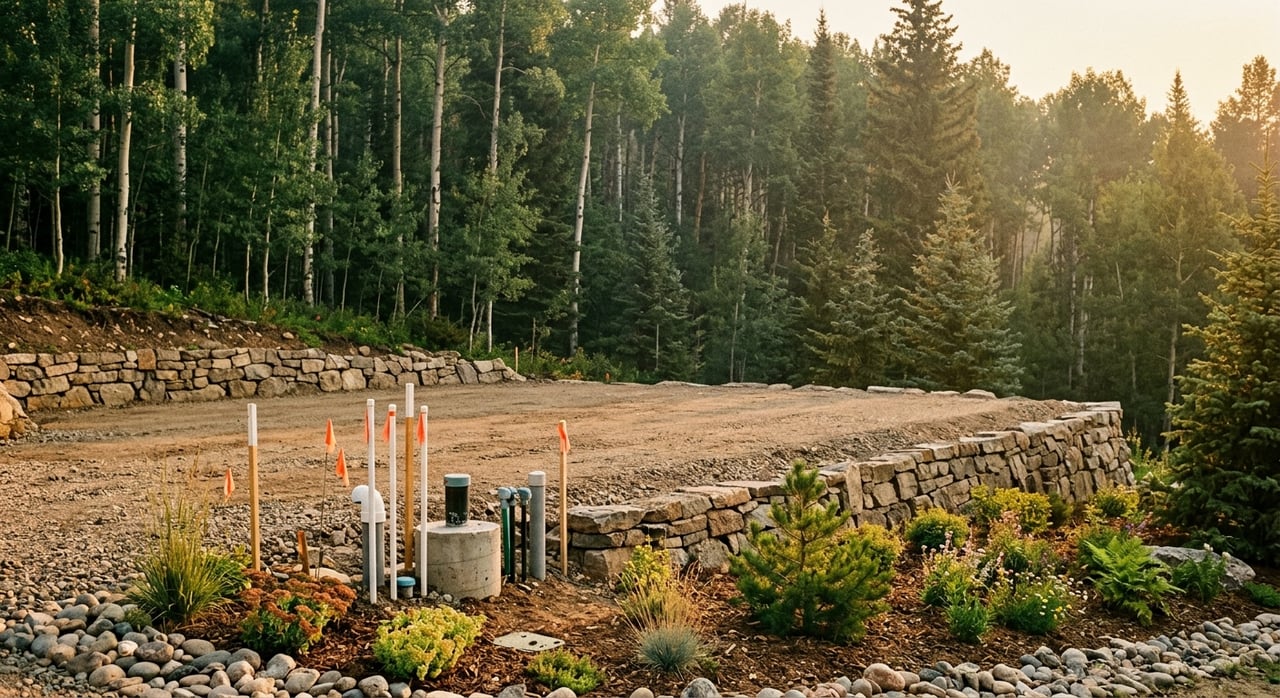
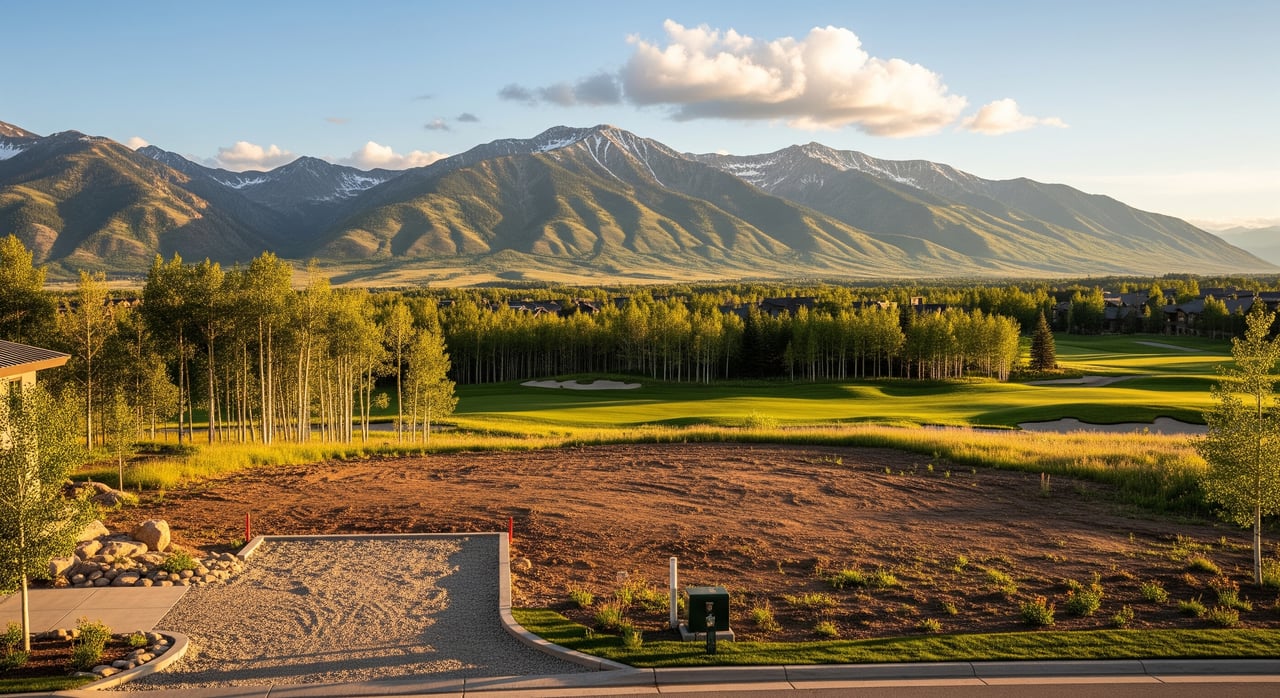
The community wraps ten lifts, with easements running to Timberline, Tombstone, and Iron Mountain. Phase 5, the most recently developed section, contains several of the community's largest estates and features a private gated ski run, a groomed cross-country trail corridor, and snowcat shuttle service specifically for that phase. A Phase 5 parcel with the snowcat and gated run carries a real, quantifiable advantage over an older Colony address that lives one traverse away from the same terrain. Two buyers who tour in July, when the ground is dry, will see the same view and miss the same distinction.
What the MLS median leaves out
All stats reflect closed MLS sales. Off-market transactions, which are common here, are not fully represented. That single caveat rewrites how any Colony comp analysis should be read.
The reported 2025 full year gives a floor: 10 homes closed with a combined volume of $178.7 million and an average sale price of $17.9 million. Layer in the fact that the most attractive parcels trade before they reach full public market exposure, and the visible median becomes a lagging indicator of the community's real clearing price. Buyers who anchor their offer to what showed up on the portals are negotiating against last cycle's inventory.
The Colony is a low-volume, high-value micro-market. Transaction counts are modest relative to the broader Park City MLS, but the dollar volume is significant.
That's the mechanic. Ten to fifteen public transactions a year produce enormous variance in the median. One Phase 5 close at $25.3 million, which is what March 2026 delivered, meaningfully repriced the mid-year read for anyone using MLS-only comps.
Days on market is price discovery, not weakness
Inventory typically ranges from 15 to 20 homes. Average days on market can extend beyond 200 days, which is common at the ultra-luxury level. It's price discovery, not weakness. Well-positioned, well-marketed homes trade. Overpriced homes wait.
Recent MLS snapshots bear this out. Average days on market for active Colony inventory sat at 158 in April 2026 and 173 by mid-May 2026, on eight active listings. A buyer coming from a coastal metro reads 150+ days as a distressed signal and assumes leverage. In this micro-market, it means the seller and their agent are running a price test on a home that isn't yet at the right number. The right home in the right position rarely stays visible long enough to accumulate that clock.
The implication for a buyer is specific. A listing at 200+ days is not automatically a discount opportunity. It is a signal to interrogate the ski line, the position within phase, and the finish level before assuming the market has already rejected the price.
The replacement-cost floor is being reset in real time
The strongest support under current pricing is the cost of building something equivalent from scratch, and recent new construction is doing that work in public. A recently completed new build at 315 White Pine Canyon sold in January 2026 at approximately $1,658 per square foot. Another new construction project at 314 White Pine Canyon, a 10,756-square-foot contemporary estate built by 4C Group, was listed after completion in late 2025. These are not speculative builds. They are custom-designed estates built to specific architectural visions, and they are setting the price-per-square-foot ceiling for the community.
Active inventory tracks accordingly. Recent listings have carried average price per square foot near $1,913 to $1,970, on median list prices between $18.8 million and $24 million across early 2026. The 2025 through mid-2026 arc shows the trend continuing: the $9 million-and-above market has grown significantly. Across Park City and Snyderville Basin, sales in this tier increased from 14 in 2023 to 35 in 2026. Median price per square foot rose from $1,423 to $1,565. The Colony sits at the top of that band.
What that means for an offer is straightforward. Below roughly $1,650 per square foot on a completed, ski-accessed Colony estate, the seller is likely to hold, because a comparable new build cannot be produced for less. Above $2,000 per square foot, the parcel needs to justify the premium through ski line, phase, view corridor toward Monitor Bowl or the Park City ridgeline, or scarcity of remaining Phase 5 inventory.
The line items that survive closing
Colony ownership carries a specific cost and use structure that should be modeled before the offer, not after inspection.
| Line item | What the research shows |
|---|---|
| HOA dues | $29,000 per year as of 2026 |
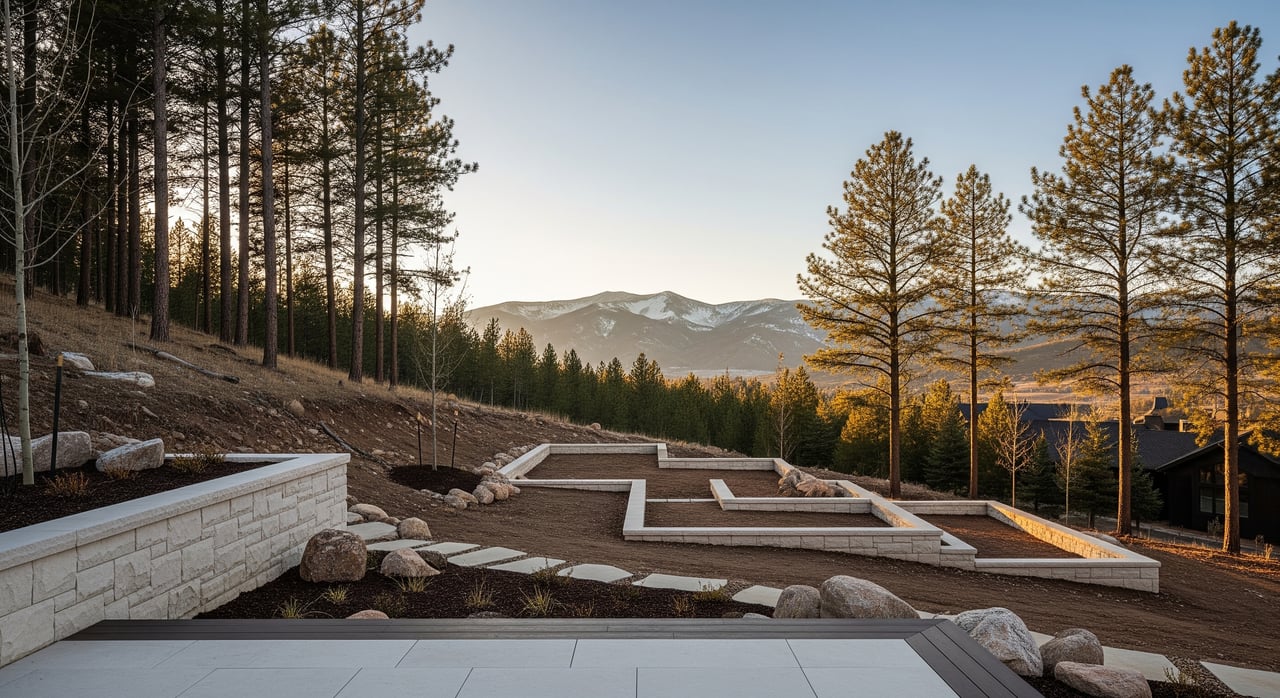
| Buildable footprint | Every home site at least five acres; homes under construction limited to no more than a half-acre of the homesite |
| Ancillary structures | One guest home and one accessory building permitted in addition to the main home |
| Private road system | 26+ miles of paved private roads, all utilities stubbed; individual owners manage their own driveways |
| Cash share | Cash buyers dominate, roughly 70%+ of transactions |
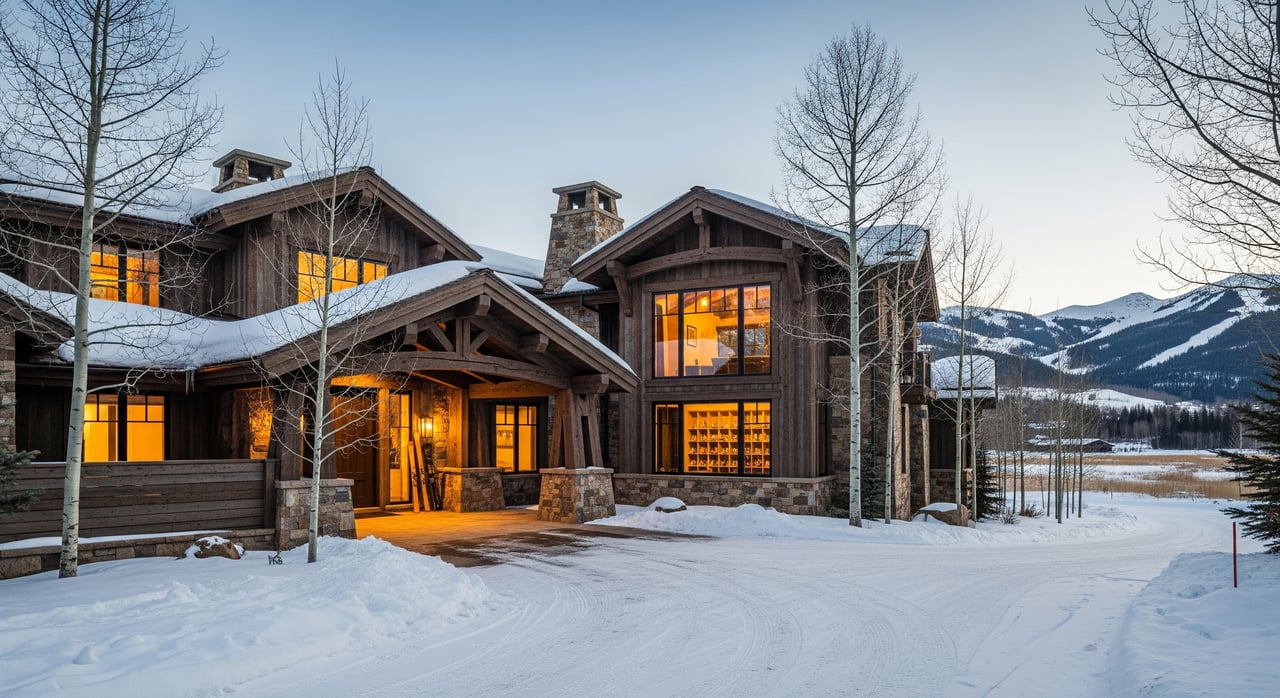
Heated driveways, snow storage design, and driveway grade are practical items the listing photos rarely address and the inspection report will. They belong on the pre-offer checklist, alongside HOA reserves, assessment history, and rental rule specifics.
The cash-buyer share matters for a different reason. It means the pricing you're negotiating against isn't rate-sensitive in the way the broader Park City condo market is. The greater Park City market opened 2026 with a split personality: single-family transactions up 14% and volume up 9% from Q1 2025, while the condominium market posted steep declines. The Colony behaves like the single-family half of that split, only more so.
The mid-2026 read
The community's positioning inside the broader luxury cycle is unambiguous. The first half of 2026 produced 14 sales at $10 million or higher and 73 sales at $5 million or higher across greater Park City, with ultra-luxury closings concentrated in The Colony at White Pine Canyon, Promontory, Deer Valley, Empire Pass, Park Meadows, and Glenwild. Buyers at this level are still transacting. They are underwriting the specific parcel more carefully.
That is the right posture. A Colony offer that is built from a portal median, without an on-snow ski-line assessment, an accounting of off-market comps, a read of DOM as price discovery, and a replacement-cost anchor, is almost always aimed at the wrong number.
FAQ
Are Colony homesites really built out?
Nearly. The community is now nearly built out. All lots are served by 26+ miles of paved private roads, and all utilities including sewer, water, power, gas, and communications are stubbed to every remaining parcel. The infrastructure is in place. Remaining land inventory is the constrained variable, and it is what supports the pricing on completed estates.
Why do some Colony sale prices never appear on the MLS?
Colony sellers frequently negotiate confidentiality, and a portion of activity closes off-market through direct relationships. Public data captures the trend but understates the true transaction volume, which is why comp work at this level should not rely on the portals alone.
What actually differentiates Phase 5?
Phase 5 combines the largest average lot sizes, the newest infrastructure, and community-level amenities the earlier phases don't share, including a private gated ski run, groomed cross-country access, and a dedicated snowcat shuttle. Both of the community's most recent nine-figure-adjacent transactions, the $27.875 million January 2025 close and the $25.3 million March 2026 close, were Phase 5 properties.
Reading a Colony listing well is the difference between paying for a photograph and paying for a parcel. If you are evaluating a specific address at White Pine Canyon and want the ski line, the off-market comps, and the phase-level context read on the ground, Tricia Cohen is available for a private consultation.