Choosing between a Park Meadows home and a resort condo for full-time living is not just about square footage or finishes. In Park City, your day-to-day experience can change a lot depending on whether you want a more traditional neighborhood setting or a lower-maintenance property with shared governance. If you are weighing both paths in Park Meadows, this guide will help you compare lifestyle, mobility, upkeep, and due diligence so you can make a smarter primary-residence decision. Let’s dive in.
Why Park Meadows feels different
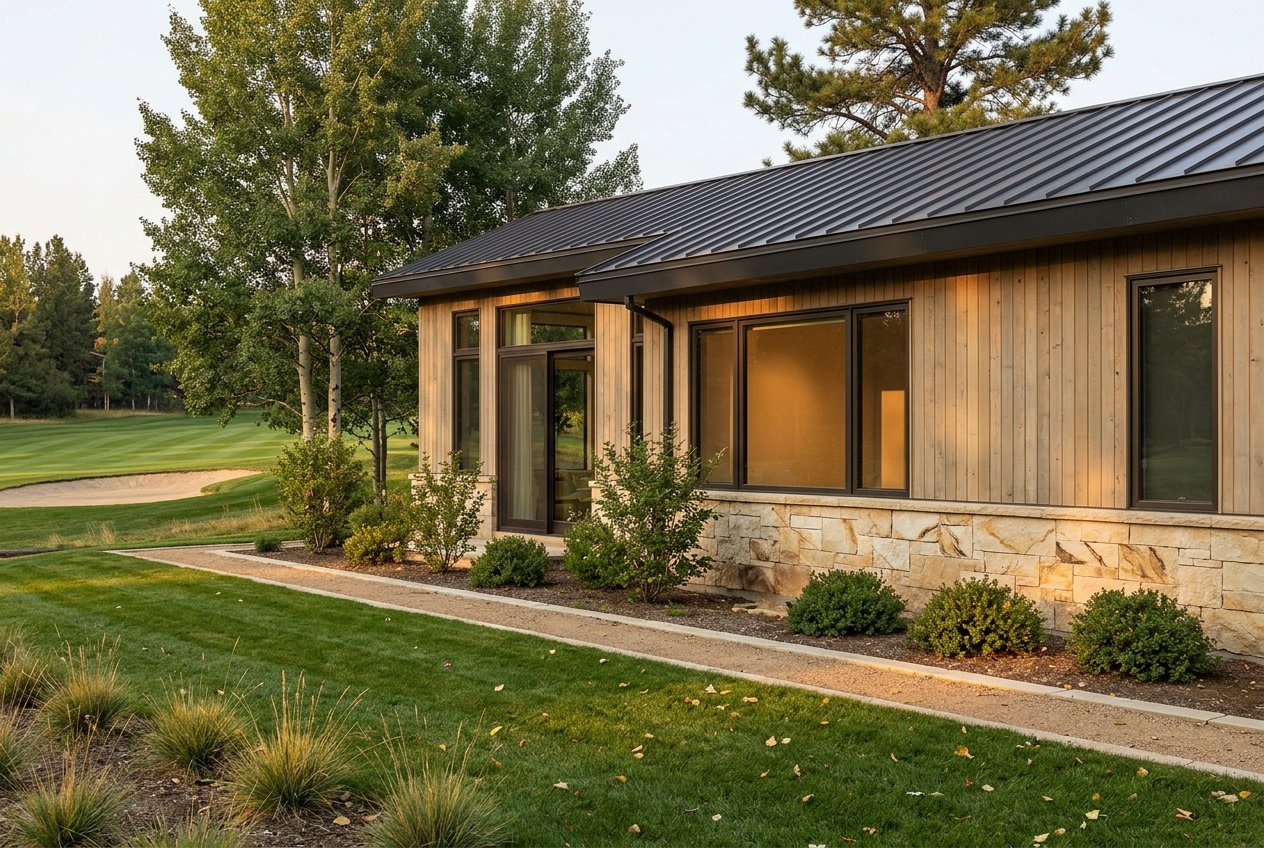
Park Meadows stands apart from visitor-focused areas because it functions more like an in-town residential neighborhood. Park City planning documents describe it as a lower-density area tied to long-standing residential communities, recreation, golf, trailheads, and access to public amenities.
That matters if you plan to live here full time. The neighborhood offers a more settled residential rhythm than many resort-centered locations, but it also comes with tradeoffs in walkability and trip patterns. In simple terms, you may get a more neighborhood-oriented setting while still needing a car for some errands and winter logistics.
The city’s 2025 Park Meadows snapshot adds useful context. It reports 1,555 acres, 2,487 residents, average density of 0.95 per acre, 58.9% owner-occupied units, 10.9% renter-occupied units, and 30.2% vacant units categorized as short-term rentals or second homes.
Park Meadows homes for primary living
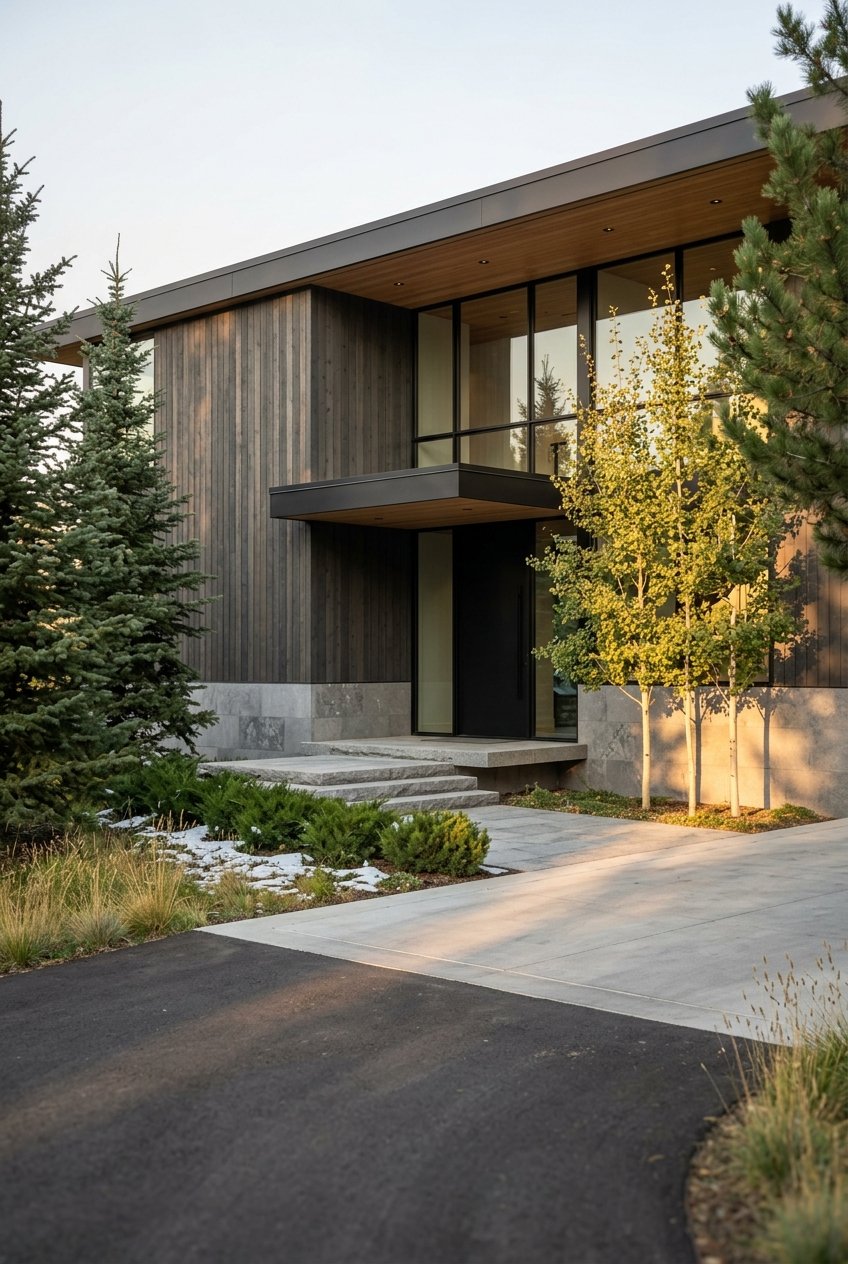
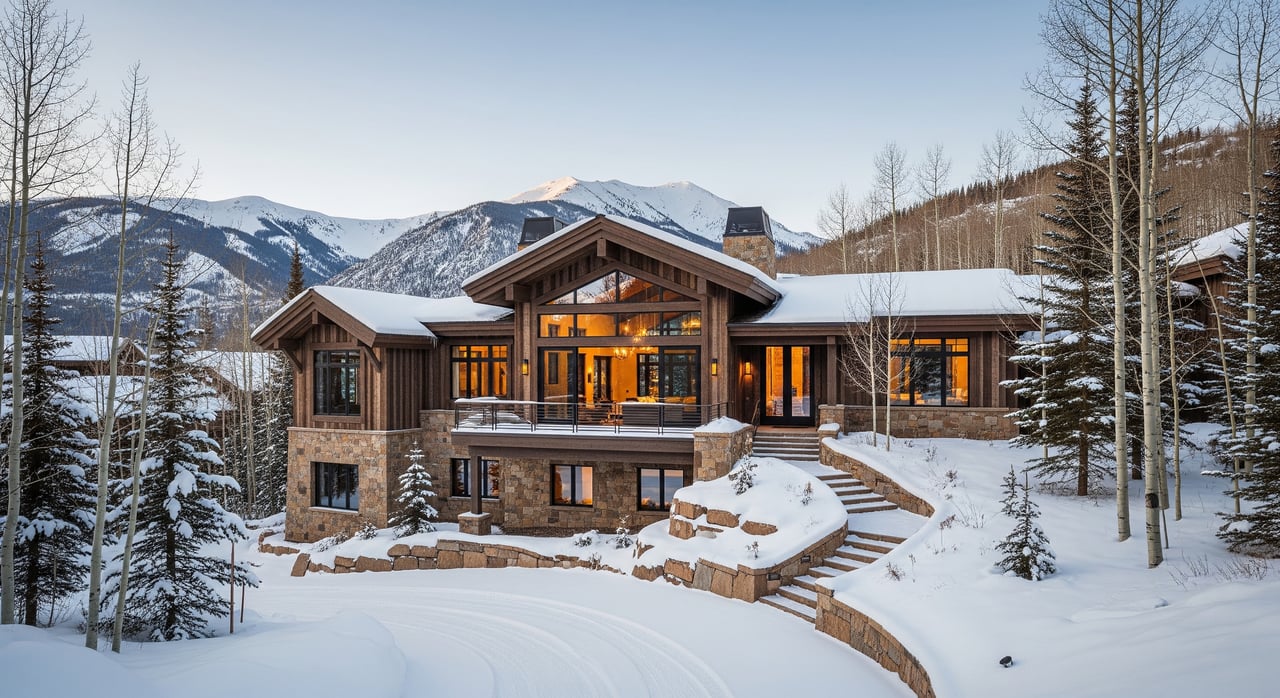
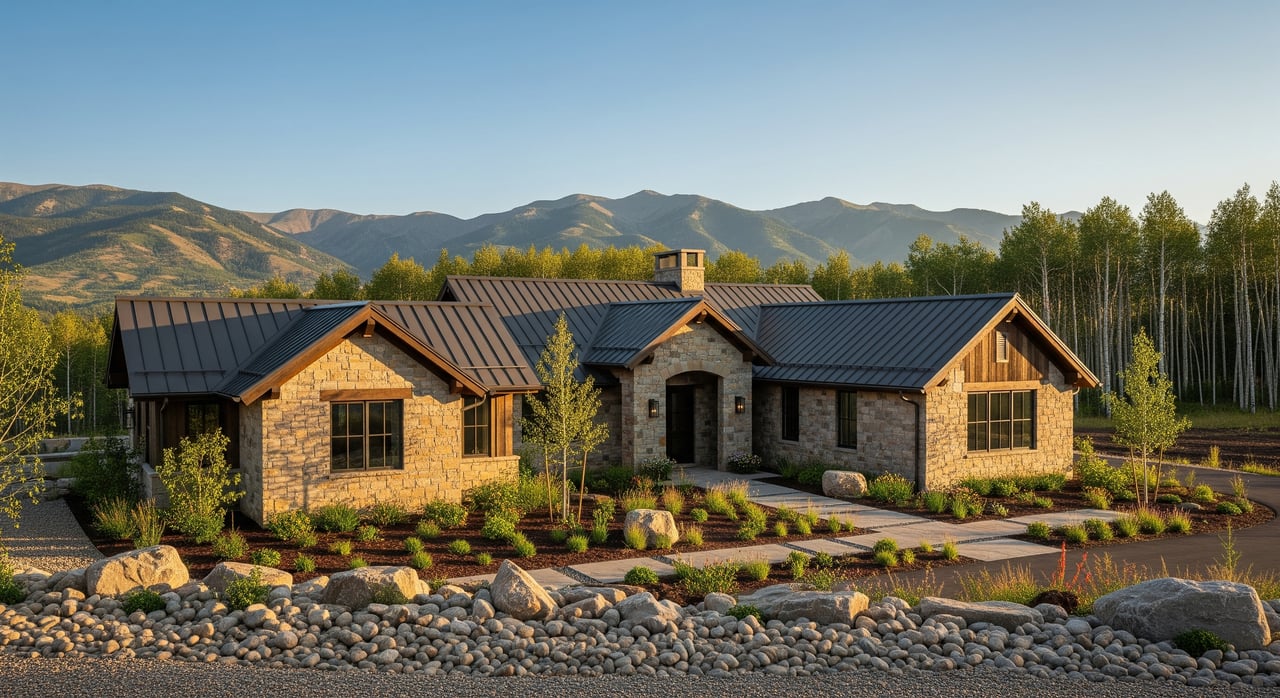
For many full-time buyers, a detached home in Park Meadows is the more natural fit. It tends to align with buyers who want privacy, more direct control over the property, and a neighborhood feel that is less centered on guest turnover.
City planning documents point to residential continuity, slower internal streets, and proximity to recreation and community amenities as defining traits. That can make day-to-day life feel more grounded and predictable, especially if you are looking for an in-town base rather than a resort building environment.
More control, more responsibility
A detached home usually gives you greater control over how the property is used and maintained. You are not typically relying on association governance for common-area rules in the same way you would in a condo community.
At the same time, that control comes with more responsibility. Utah’s condo framework highlights how condo associations handle common-area maintenance and assessment collection, which underscores the contrast: when you own a home, more of the upkeep falls directly on you.
A more traditional neighborhood rhythm
If your priority is living in a place that feels more residential than visitor-oriented, Park Meadows often checks that box. It is one of Park City’s lower-density neighborhoods, and city planning places emphasis on long-standing residential use rather than purely resort activity.
That does not mean the area is isolated from second homes or short-term rentals. With 30.2% of units categorized as vacant second homes or short-term rentals, you should still expect some seasonal variation depending on the street or pocket of the neighborhood.
Winter access matters
Park Meadows planning recommendations focus heavily on winter livability. The city specifically calls out needs such as snow clearing, improved sidewalk and multimodal connections, transit frequency to the resorts, traffic calming, and signage.
That tells you something important as a full-time resident. In Park Meadows, the daily experience is not only about the house itself. It is also about how comfortably you can move through the neighborhood in winter and how often you want to rely on a car.
Resort condos for primary living
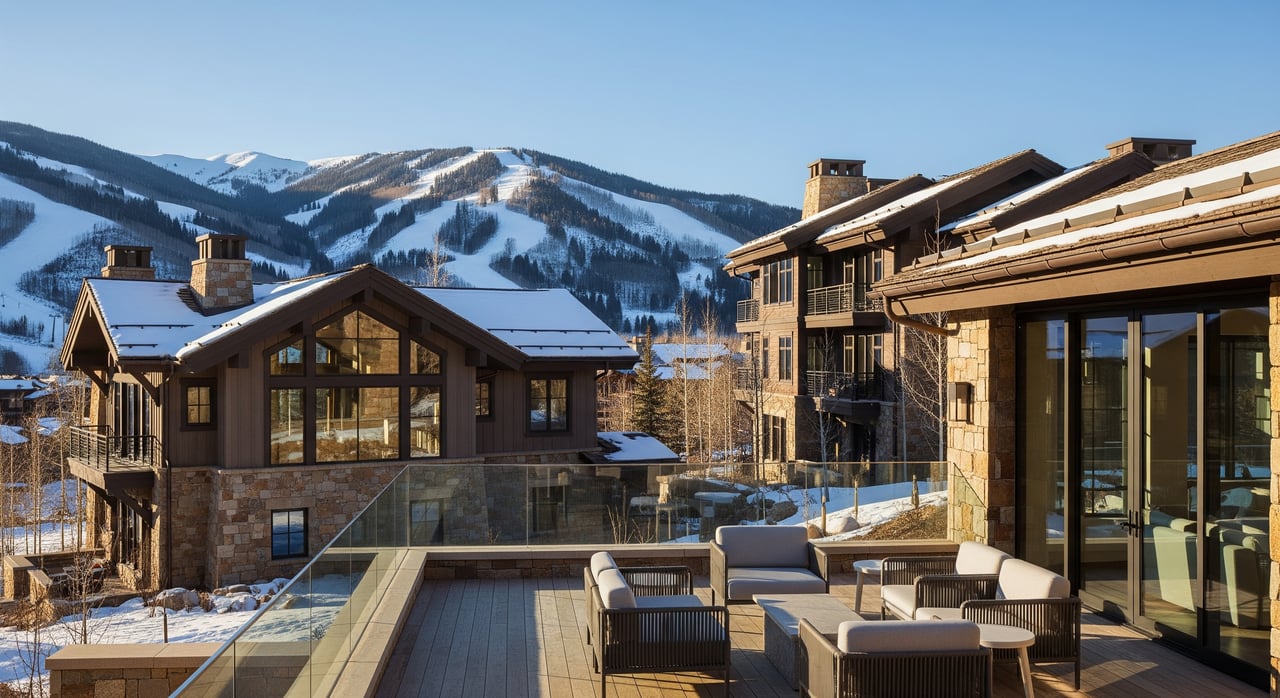
A resort condo can work well as a full-time residence if your top priorities are convenience and reduced exterior maintenance. For many buyers, the appeal is simple: fewer property tasks, shared amenities, and a more lock-and-leave ownership model.
That convenience, however, comes with a different ownership structure. Utah law requires condo communities to have bylaws, and those bylaws may govern management, meetings, common-area maintenance, assessment collection, and restrictions on unit use.
Less maintenance, more governance
The practical upside of condo living is that many exterior responsibilities are shared through the association. That can be especially attractive if you want easier winter ownership or do not want to manage every property issue yourself.
The tradeoff is governance. You need to be comfortable with HOA rules, monthly assessments, and the possibility of special assessments, all of which are part of Utah’s shared-cost HOA framework.
Rental rules need close review
If a resort condo is on your list, rental policy deserves careful attention, even if you plan to live there full time. Park City requires a nightly rental license for properties rented for less than 30 days, and condo bylaws may also restrict or shape rental use.
That means your due diligence needs to cover both city rules and building rules. Even if you have no immediate rental plans, those policies can affect building character, owner mix, and future flexibility.
Condo documents tell the real story
Utah’s HOA buyer checklist is especially useful for condo buyers. It calls for reviewing recent meeting minutes, budgets, financial statements, lease or rental agreements, property management agreements, and any short-term rental booking schedule.
Those documents help you move beyond the marketing package. They can show how the association operates, whether reserves and budgeting appear stable, and how much rental activity may shape the building’s day-to-day environment.
Mobility and everyday convenience
For primary living, convenience is about more than location on a map. It is about how you actually move through your week in every season.
Park City’s transportation goals focus on year-round options, safety, protecting residential neighborhoods, improving traffic flow, and increasing transit efficiency. The city also enforces parking rules in residential areas, including restrictions on parking without a residential permit and cut-through parking in neighborhoods.
What transit access looks like
Park City Transit is fare-free, and winter service includes enhanced 20-minute frequency on most routes, city-wide microtransit, and express routes to Deer Valley Resort and Park City Mountain. For Park Meadows specifically, the Thaynes/Park Meadows to Deer Valley Resort line runs every 30 minutes from 6:30 a.m. to 11:00 p.m. seven days a week from Old Town Transit Center.
That network also connects to places such as Park City High School, McPolin Elementary, the library and skate park, Park City Mountain Village, and nearby health care. If you want to live more lightly on your car, that is an important advantage.
Homes and condos solve convenience differently
A Park Meadows home may offer more space, privacy, and a stronger neighborhood feel, but daily convenience may still depend on driving for at least some trips. Planning documents note that lower densities, a more fragmented street network, and fewer sidewalks make the area less suited to transit, biking, and walking than more compact areas.
A resort condo may reduce maintenance and place you closer to concentrated activity, but your lived experience will depend heavily on the building’s rules, parking setup, and owner-to-renter mix. Convenience is not one-size-fits-all. It depends on what kind of friction you are willing to manage.
How to decide between the two
If you are comparing a Park Meadows home with a resort condo for full-time use, the clearest answer usually comes from your daily habits. Think less about vacation appeal and more about how you want ordinary life to feel in January, April, and October.
Here is a practical way to frame the decision.
A Park Meadows home may fit you better if:
- You want a lower-density, mostly residential setting
- You value more privacy and direct control over the property
- You are comfortable managing more upkeep
- You expect to rely on a car for at least part of your routine
- You prefer a neighborhood rhythm over a building-driven environment
A resort condo may fit you better if:
- You want less exterior maintenance
- You like the idea of shared amenities and a lock-and-leave setup
- You are comfortable with HOA governance and assessments
- You are willing to review budgets, minutes, and rental rules carefully
- You want a simpler ownership model for winter and seasonal logistics
Key questions to ask before you buy
The best comparison often comes down to asking sharper questions early. In Park Meadows and throughout Park City, those details can shape your quality of life more than a polished listing description ever will.
Focus on these points as you evaluate options:
- How owner-occupied is the street or building?
- What do the HOA minutes, budget, and financial statements show?
- Are rentals allowed, and if so, how much rental activity is typical?
- How easy is winter access for everyday errands and commuting?
- Will you rely more on transit, walking, or a car?
- How much property upkeep do you truly want to handle yourself?
For many buyers, that process brings clarity quickly. Park Meadows homes are often the stronger choice for buyers who want a more residential in-town setting and are comfortable with greater ownership responsibility. Resort condos are often the better match for buyers who want easier maintenance and are comfortable with rules, fees, and deeper document review.
If you are weighing these options in Park Meadows, a tailored neighborhood-level comparison can save time and help you focus on the properties that truly fit your version of primary living. For thoughtful guidance on Park Meadows and other Park City neighborhoods, connect with Tricia Cohen to schedule a private consultation.
FAQs
Is Park Meadows a good area for full-time living in Park City?
- Yes. Park City planning documents describe Park Meadows as a lower-density residential neighborhood with access to recreation, schools, and key in-town amenities, which makes it a strong option for many primary residents.
What is the main difference between a Park Meadows home and a resort condo?
- A Park Meadows home generally offers more privacy and direct property control, while a resort condo usually offers less exterior maintenance but more HOA governance, fees, and document review.
Are resort condos in Park City subject to HOA rules?
- Yes. Under Utah law, condo communities have bylaws that may govern management, common-area maintenance, assessments, meetings, and restrictions on unit use.
Can a Park City resort condo be used as a short-term rental?
- Possibly, but you need to verify both city and HOA rules. Park City requires a nightly rental license for rentals under 30 days, and a condo association may also restrict rental use.
Does Park Meadows have transit options for full-time residents?
- Yes. Park City Transit is fare-free, and the Thaynes/Park Meadows to Deer Valley Resort line runs every 30 minutes from 6:30 a.m. to 11:00 p.m., seven days a week.
What condo documents should a Park City buyer review before closing?
- Utah’s HOA buyer checklist says buyers should review items such as meeting minutes, budgets, financial statements, lease or rental agreements, property management agreements, and any short-term rental booking schedule.