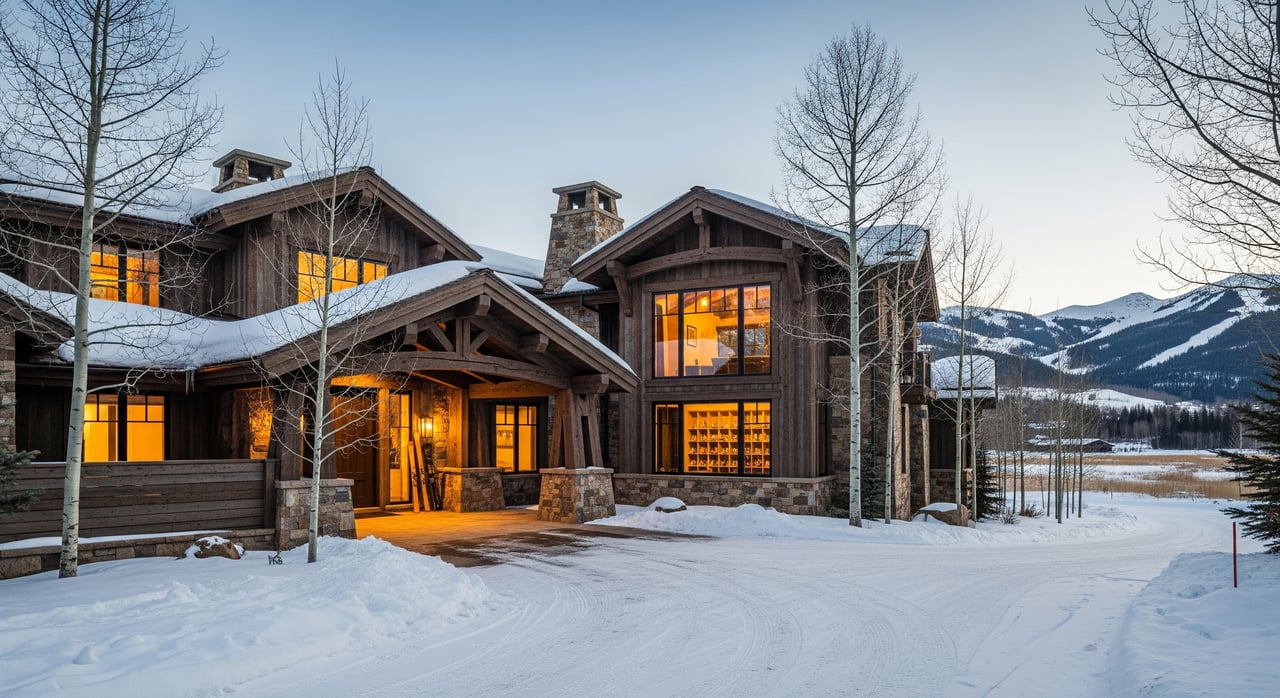
Comparing Deer Valley addresses and trying to decode what “Lower Deer Valley” really means? You are not alone. If you want quick lift access, a smooth HOA experience, and the right year‑round lifestyle, a little local context goes a long way. In this guide, you will learn how the Snow Park base area is organized, what HOAs typically cover, how ski access really works in winter, and the questions to ask before you buy. Let’s dive in.
Lower Deer Valley overview
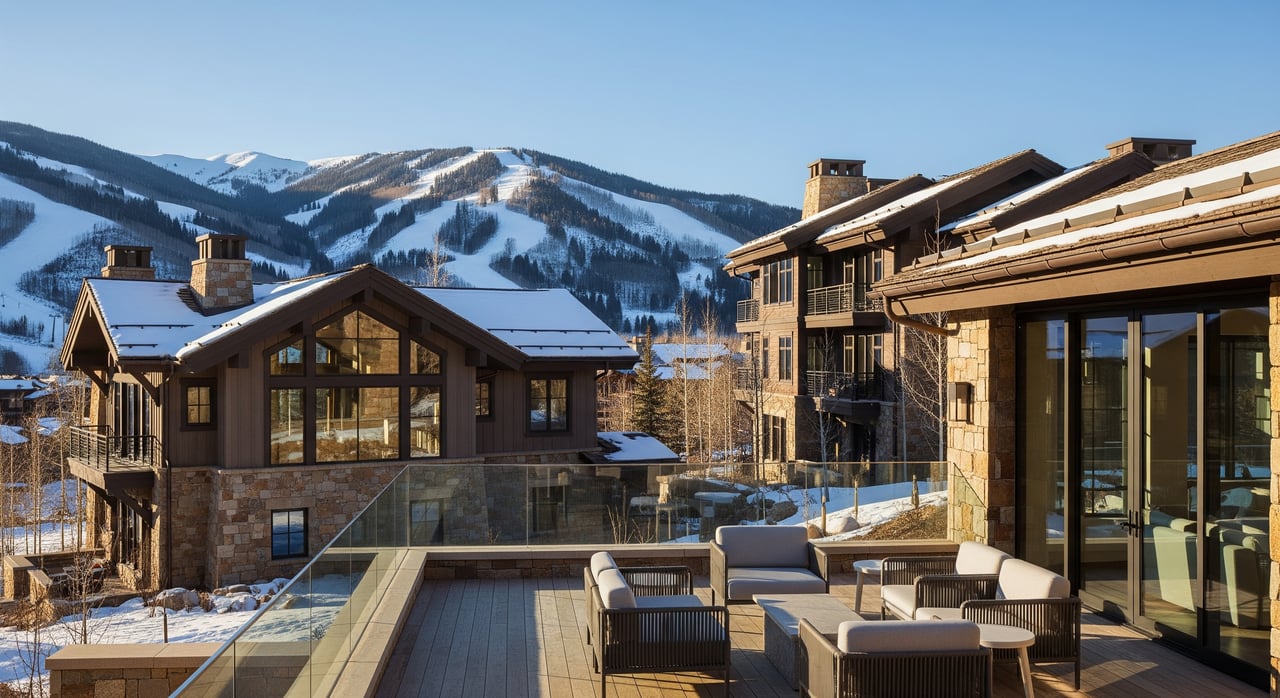
Lower Deer Valley usually refers to the Snow Park base area and the residential corridors around lower Deer Valley Drive and Snow Park Road. This is the resort’s primary base, with lift infrastructure, ski school, parking, and nearby lodges.
Some parcels sit inside Park City’s municipal boundary while others are in unincorporated Summit County. That matters for permits, short‑term rentals, and services. Always confirm the exact jurisdiction and zoning for any address you are considering.
Micro-areas to compare
Base and resort-adjacent complexes
These full-service hotels and condominium buildings sit at or right next to the Snow Park base. They are often marketed as ski-in/ski-out or immediate-adjacent. Pricing in these buildings is driven by unit size, onsite services, and rental performance if short‑term rentals are allowed.
Walk-to-lift residences
These condos and townhomes are typically a 5–15 minute walk to lifts. Many offer shared parking, small fitness rooms, or hot tubs. Convenience is strong, and some buildings use shuttles to shorten the walk in peak winter.
Single-family streets near the base
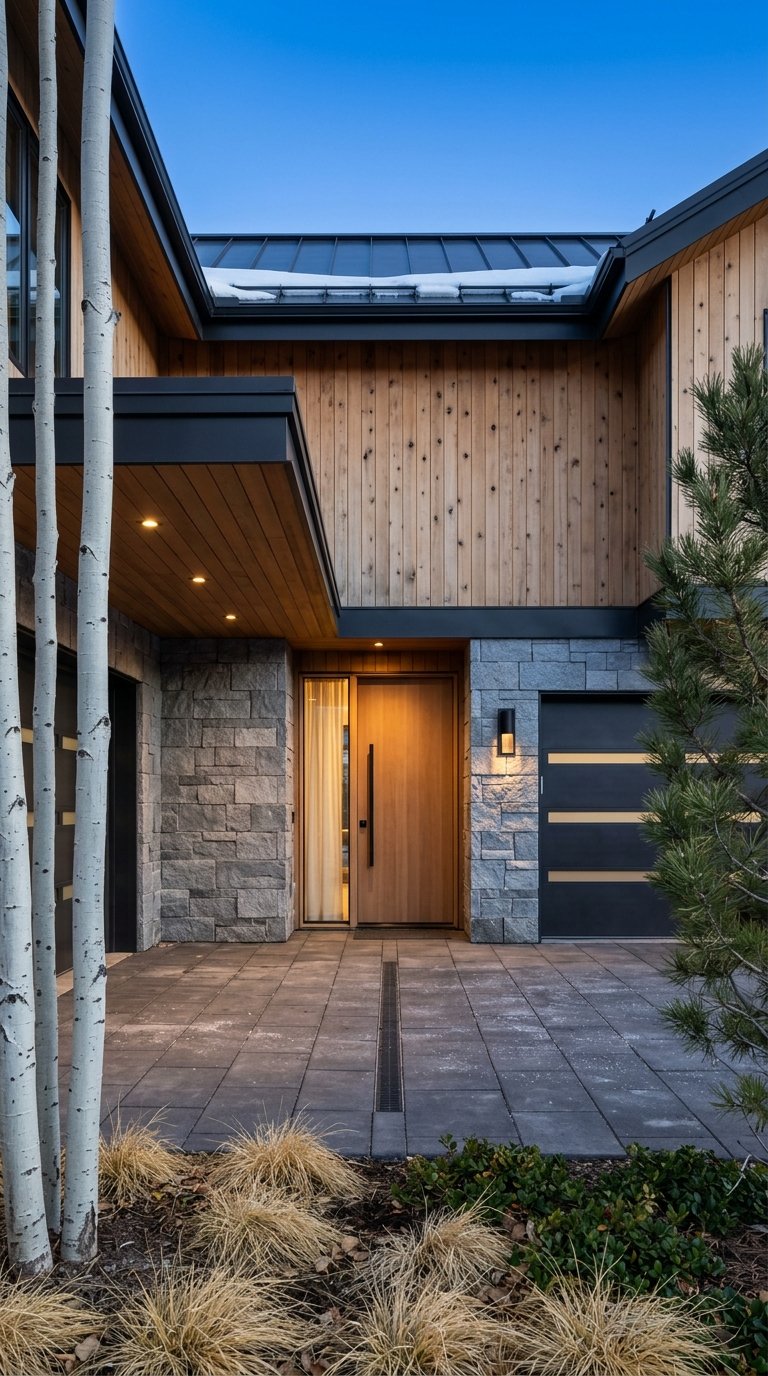
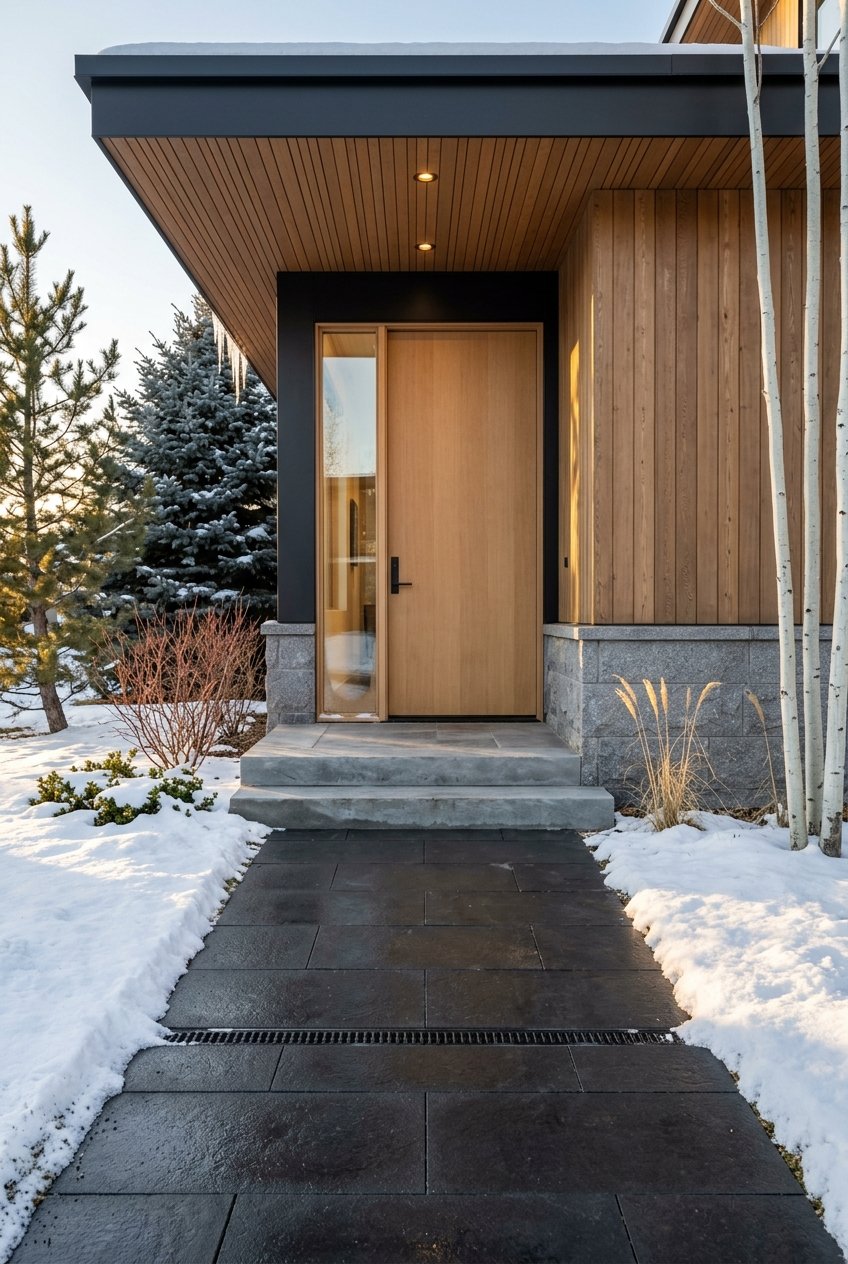
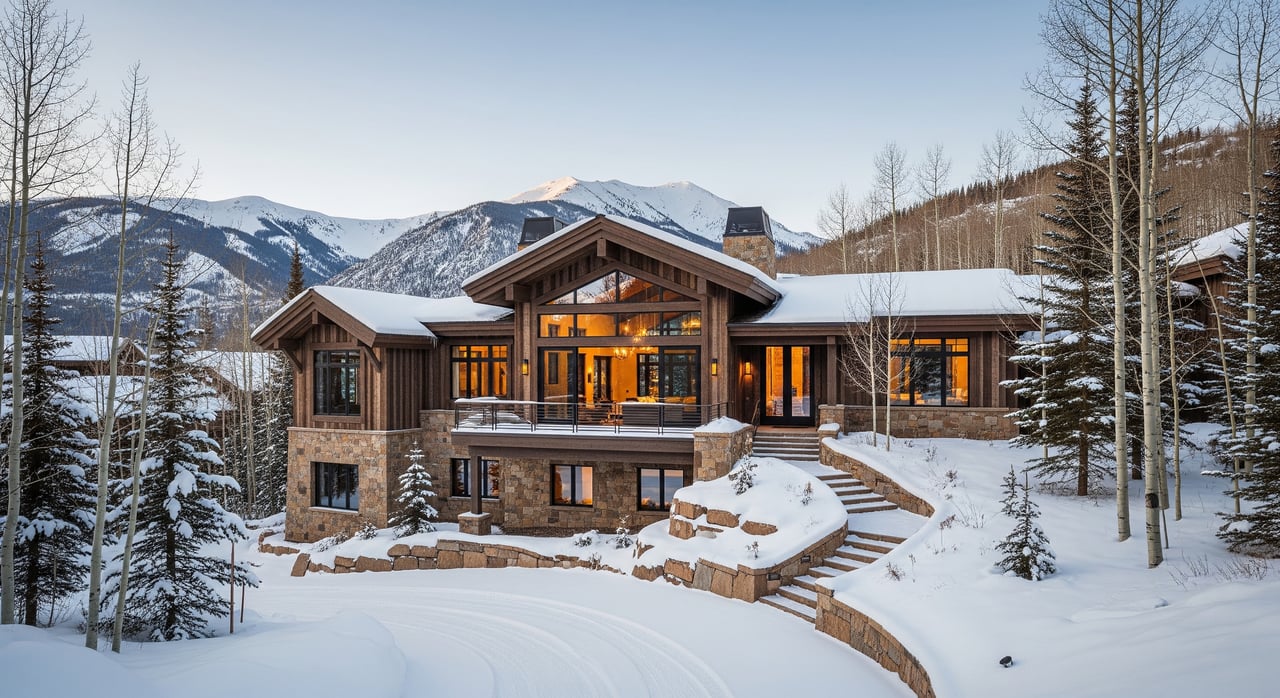
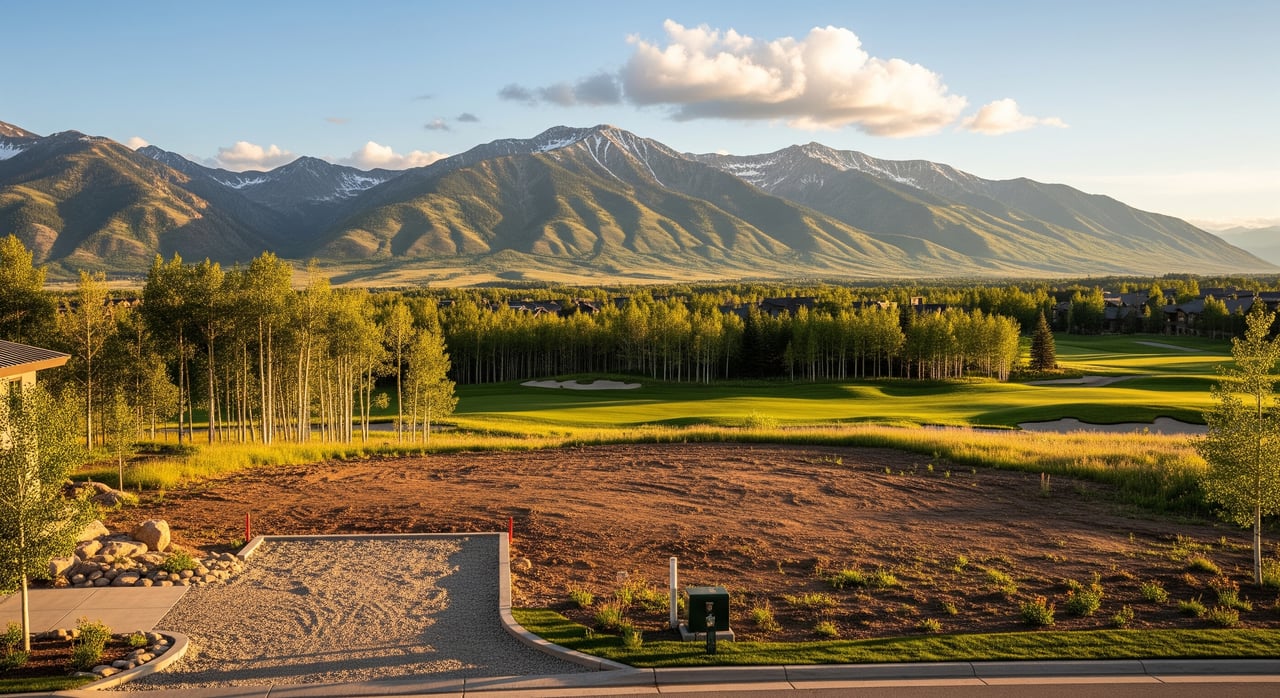
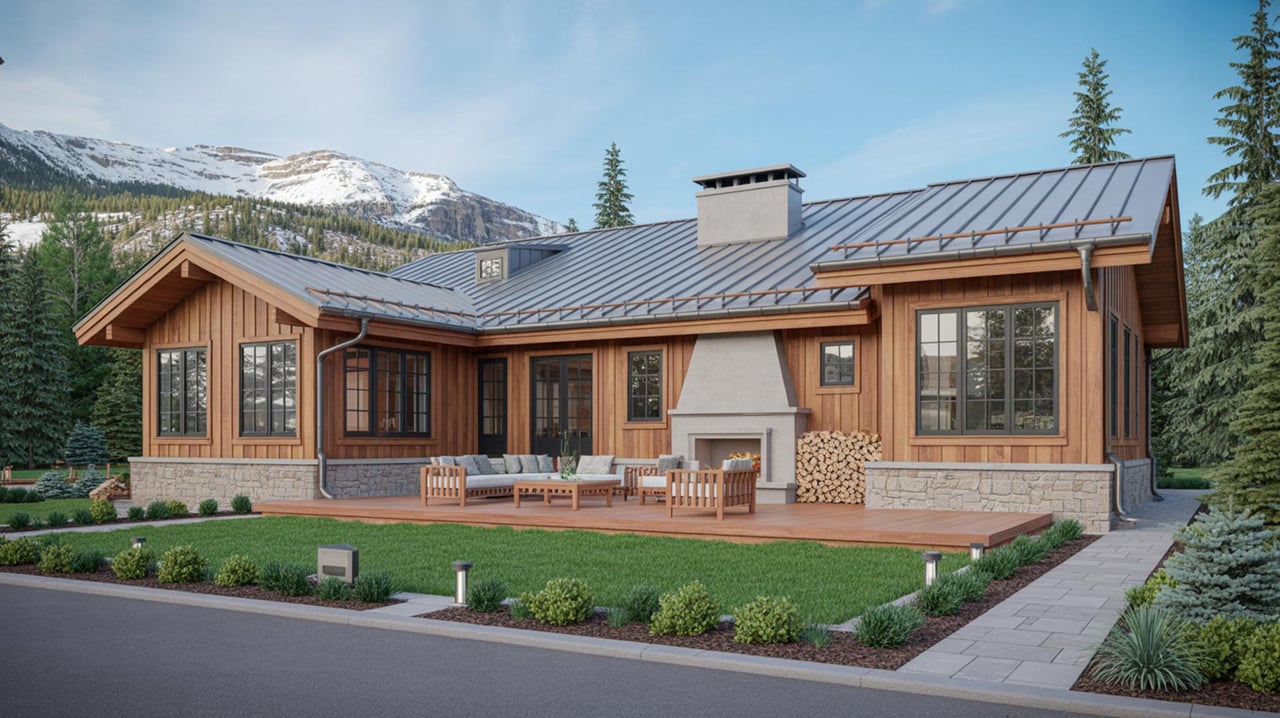
Detached homes close to Snow Park offer privacy, parking, and indoor-outdoor space. Lots can be sloped, which adds character and winter-access considerations. These homes command a premium but require more hands-on maintenance.
Perimeter and mid-elevation pockets
Just a touch farther from the base, these neighborhoods feel quieter while staying within easy reach of Snow Park. Some offer shuttle access. You trade a few extra minutes of transit for a more residential setting.
Property types and ownership
You will see a mix of formats around Snow Park:
- Hotel and condo-hotel units with management contracts or rental pools.
- Traditional condominiums in multi-story resort buildings.
- Townhomes, often multi-level and sometimes with private garages.
- Single-family homes and a small number of cabins.
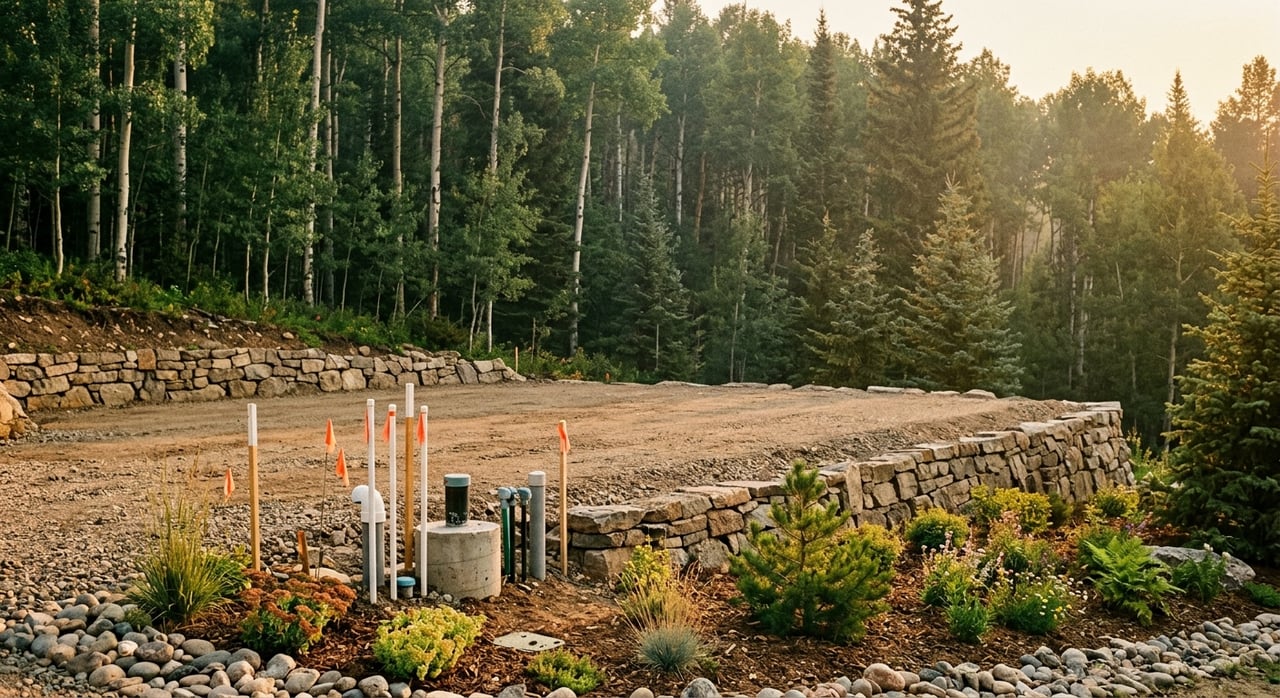
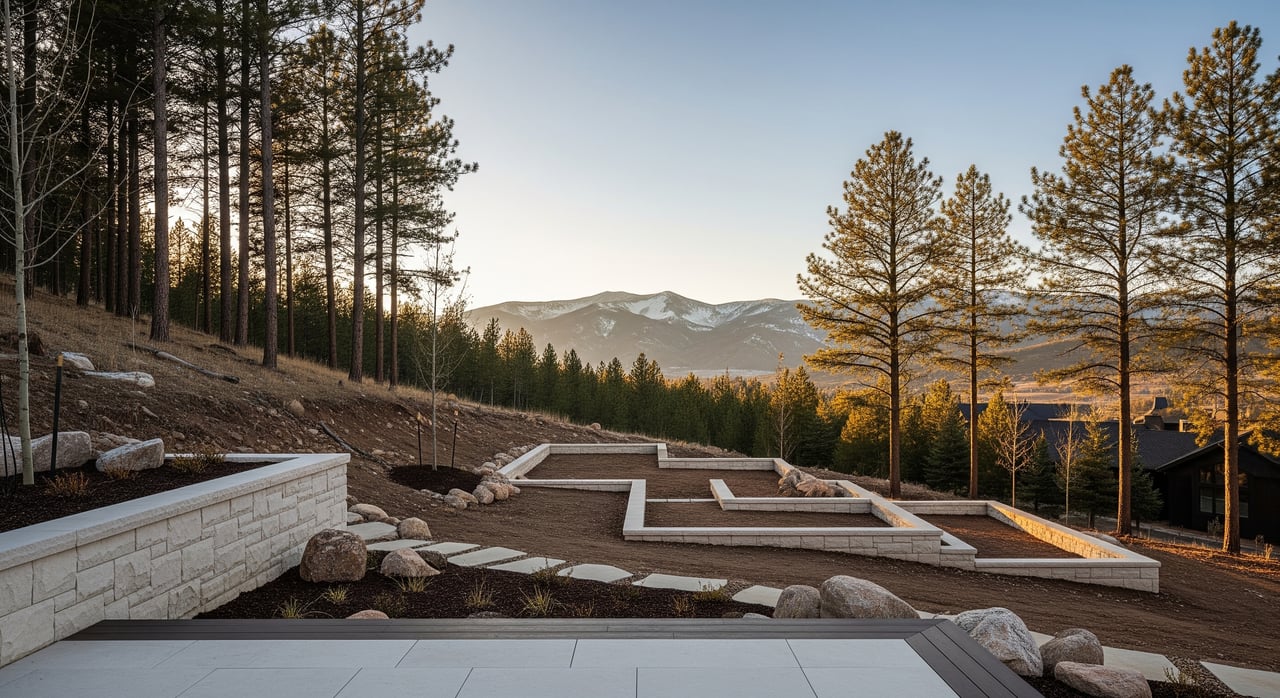
- Limited vacant lots near the base, where topography and utility lines matter.
- Fractional ownership and timeshares in select resorts.
Key ownership factors to verify:
- Title type and financing: fee-simple, condo, or fractional affects lending.
- Utilities: most addresses use municipal water and sewer, but some peripheral parcels may not. Verify at the parcel level.
- Insurance exposures: consider snow loads, wildfire risk, and, on steeper sites, potential avalanche exposure. Review local hazard resources and get insurer guidance.
- Parking and storage: ski lockers, garage access, guest parking, and building rules shape daily life in winter.
How HOAs work here
Association layers
Many buildings and neighborhoods operate under a condo association. Some also belong to a master association that maintains shared roads, shuttles, or area amenities. If a master association exists, you will likely pay both a sub-association fee and a master fee.
What dues often include
- Exterior maintenance, roofing, corridors, and elevators
- Common-area snow removal and plowing for shared drives and parking
- Landscaping, lighting, trash and recycling
- Fitness rooms, hot tubs, pools, or front-desk staffing in full-service buildings
- Reserve fund contributions and long-term capital planning
What drives fee levels
Dues vary widely. Service level, building age, staffing, and included utilities all influence monthly costs. Full-service condo-hotels can have higher dues because they cover housekeeping, valet, and significant amenity upkeep.
Rental rules and licensing
Short‑term rental viability depends on two layers: HOA rules and local government rules. CC&Rs may prohibit or restrict STRs, require registration, or require use of a specific manager. Park City and Summit County each have licensing and tax requirements by zone. Confirm both layers before you model rental income.
Documents to request
Ask for the CC&Rs, bylaws, current budget, most recent reserve study, insurance declarations, the assessment schedule, and minutes from the past 12 months of meetings. If the building runs a rental program or condo-hotel model, review management agreements, rental pool terms, owner-use calendars, and revenue splits.
Ski access and winter logistics
Types of access you will see
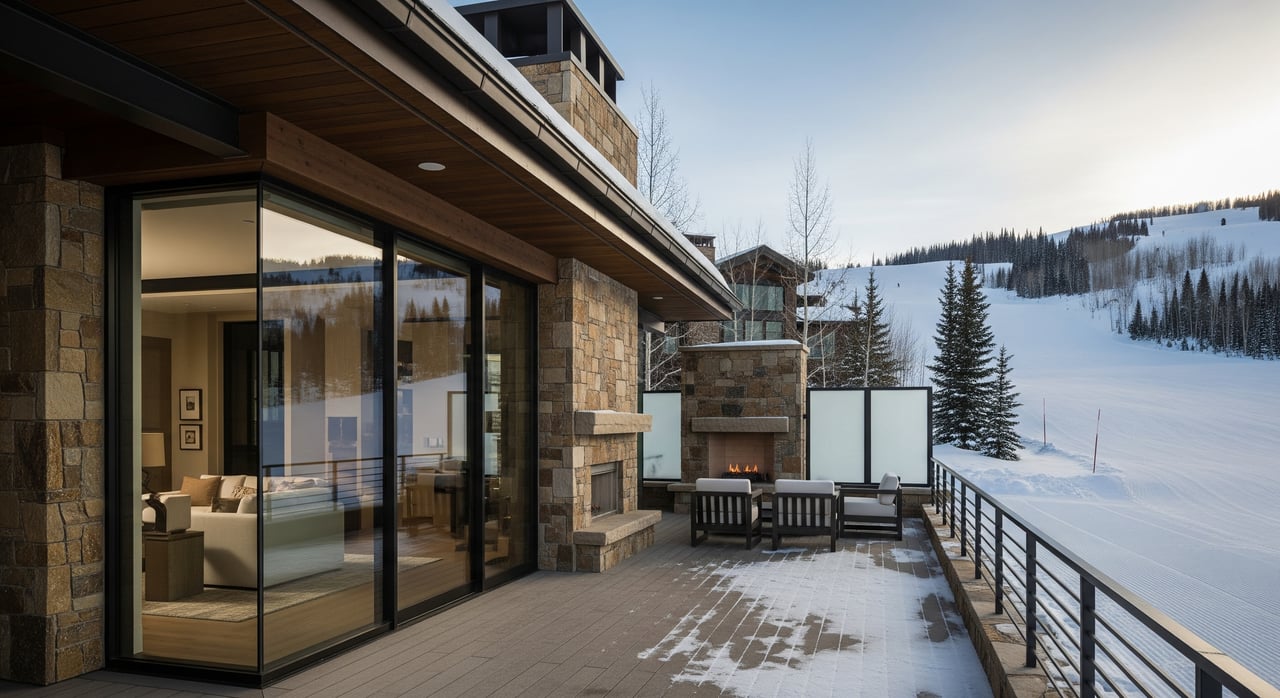
- True ski-in/ski-out: direct access to groomed runs and lifts. This is rare and commands a premium.
- Immediate-adjacent: a short walk or a few stairs to reach the lift or trail.
- Walk or short-shuttle: many properties are walkable but rely on building or city shuttles in winter.
- Drive or shuttle only: farther-out homes typically use scheduled shuttles or a quick drive.
Seasonal realities
Access can change with snow depth, especially early and late season. Some approaches at lower elevation are not skiable in low-snow years. Onsite services like ski valet, boot storage, and staffed front desks can transform the winter experience. Parking is limited at many base-area buildings, and overnight street rules tighten during peak weeks and events.
Questions to ask about access
- Is the unit truly ski-in/ski-out in a typical season? Are there stairs or roads to cross?
- Who maintains the access routes, paths, and stairs in winter: HOA, resort, or city?
- Are there planned lift changes or resort projects that could affect views or access?
Lifestyle and seasonality
Year-round appeal
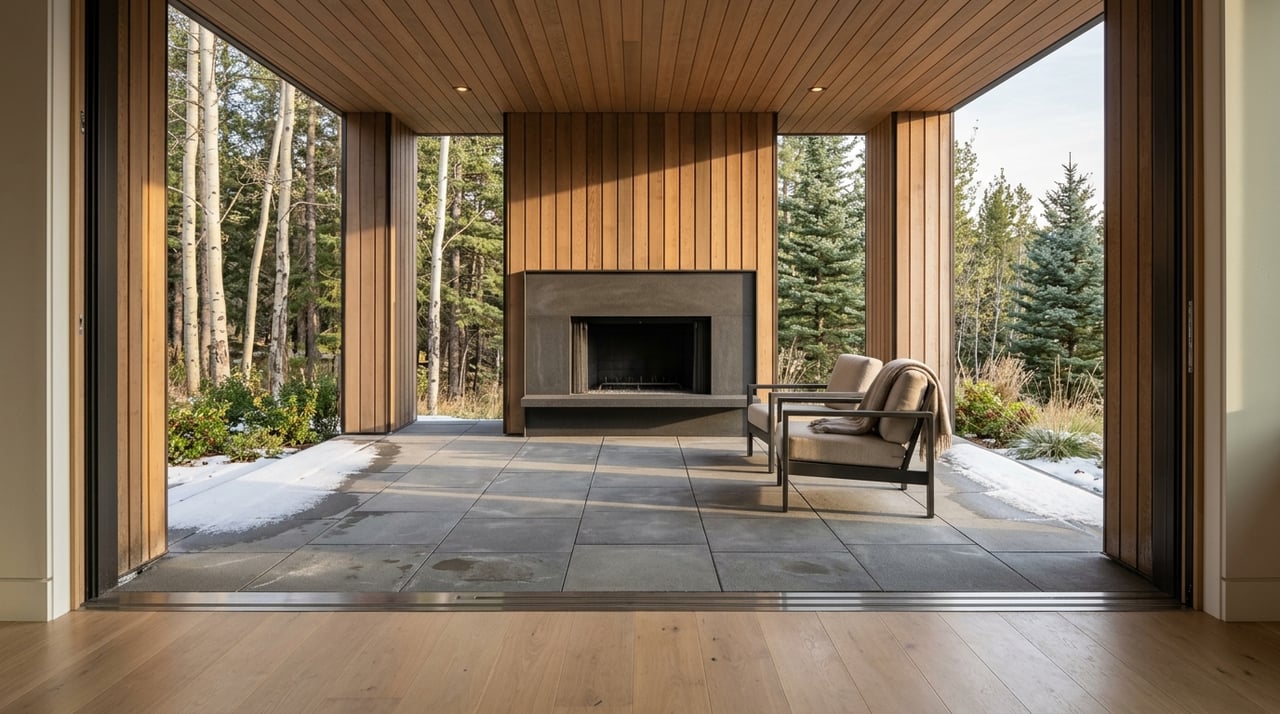
In winter, Deer Valley focuses on a high-service ski experience with a skier-only policy. The base feels lively during the season and during major events. Summer brings hiking, mountain biking, and outdoor concerts. Many owners use their places in both seasons.
Transportation and commuting
Park City’s free transit connects neighborhoods to base areas. The drive to Salt Lake City International Airport is commonly 30–45 minutes in normal conditions. Allow extra time for storms or peak travel.
Event-driven demand
Sundance Film Festival and peak holiday weeks create higher occupancy and tighter parking and guest policies. If you plan to rent, these periods can be the most productive. If you plan to use your property, reserve dates early and know your HOA’s guest and parking rules.
Buyer due diligence checklist
Use this quick list to compare properties with confidence:
Jurisdiction and zoning
- Confirm whether the parcel is in Park City or unincorporated Summit County.
- Verify short‑term rental eligibility and licensing requirements.
HOA health and rules
- Obtain CC&Rs, bylaws, current budget, reserve study, and 12 months of meeting minutes.
- Ask about past, current, or pending special assessments and any litigation.
- Get rental rules, guest policies, and parking rules in writing.
Property specifics
- Verify ski access in typical and low-snow seasons.
- Review driveway grade, de-icing approach, and who plows private drives.
- Confirm parking allocations, guest parking, and tow policies.
- Check utility setup and what, if any, utilities are included in dues.
- Review hazard information for snow loads, wildfire, and slope stability.
Financial and market checks
- Compare HOA dues and what they include across similar buildings.
- Pull comps by unit type and account for seasonal timing.
- If there is a rental program, review contracts, fees, revenue splits, and historical performance.
How to choose your fit
Start by deciding how close you want to be to the lifts. Then weigh the trade-off between full-service convenience and monthly dues. If privacy and space matter most, a single-family street could win, as long as you are comfortable with winter driving and maintenance. If rental income is part of your plan, put HOA rules and city licensing at the top of your checklist.
If you want a tailored short list, a clear HOA comparison, and a realistic view of winter logistics for each address, connect with a local adviser who lives this market daily. For a private consult and a curated tour of Lower Deer Valley options, reach out to Tricia Cohen.
FAQs
What is “Lower Deer Valley” near Snow Park?
- It refers to the Snow Park base and the nearby residential corridors along lower Deer Valley Drive and Snow Park Road, where lift access, lodging, and services are concentrated.
How do HOAs in Lower Deer Valley typically structure fees?
- Many properties belong to a condo association and sometimes a master association; dues reflect service level, included utilities, onsite staffing, amenities, and reserve funding.
What counts as ski-in/ski-out at the Snow Park base?
- True ski-in/ski-out means direct access to groomed runs and lifts. Many base-area buildings are immediate-adjacent, requiring a short walk or stairs rather than direct glide access.
Can I short‑term rent a Lower Deer Valley property?
- It depends on both HOA rules and local government licensing and tax requirements, which vary by zone. Confirm both layers before you underwrite rental income.
How far is Lower Deer Valley from the airport in winter?
- The drive to Salt Lake City International Airport is commonly 30–45 minutes in normal traffic, but you should allow extra time during storms or peak travel periods.
What winter parking rules should I expect near Snow Park?
- Base-area buildings may limit guest parking, and overnight street parking can be restricted during peak weeks and events. Review your HOA’s parking allocations and enforcement.